In an occupied building, the complaint almost never concerns the work itself. It concerns the dust on a desk two floors up, the smell in a lift lobby at ten in the morning, the drilling that started during a meeting. Containment is not tidiness. It is the thing that decides whether you keep your access for the rest of the project.
Three separate problems, three separate solutions
Dust, noise and odour travel differently and are controlled differently. Dust moves with air and settles; you contain it and manage the air. Noise travels through structure as well as air; you mostly manage it by timing. Odour moves through the air-conditioning system and can appear a long way from its source; you manage it by product choice and by isolating the ventilation.
Treating them as one problem called “site protection” is how buildings end up with one of the three uncontrolled.
Hoarding is the first item on site, not the last
The hoarding line defines the project. Inside it, you are working; outside it, someone is having a normal day. It goes up before anything is stripped out, it is sealed at the head and at the floor, and in a commercial building it usually has to look presentable, because tenants and visitors will see it every day for months.
Where the works front onto a public or tenant area, the appearance standard is set by the building and is worth confirming in writing before fabricating anything.
Controlling dust once you are inside
What actually keeps dust inside the works area:
- Sealed hoarding, with the joints and the head genuinely closed rather than nominally closed
- Negative pressure within the enclosure so air flows in, not out
- HEPA extraction at the source for cutting, grinding and hacking
- Tools with on-tool extraction rather than open cutting wherever possible
- Sticky mats and a defined exit route with a clean-down point
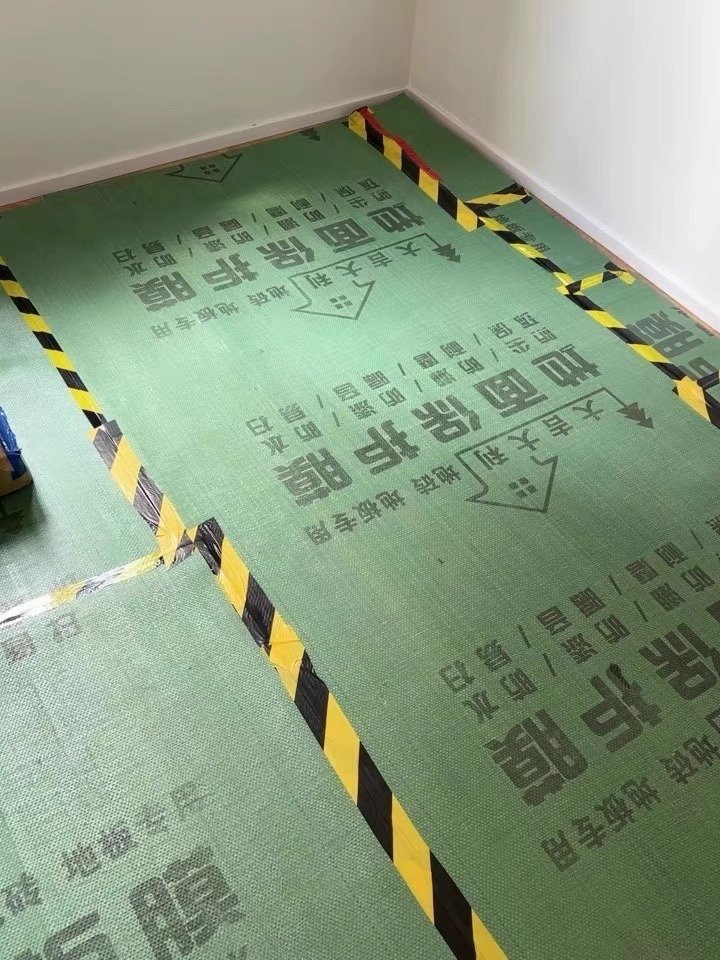
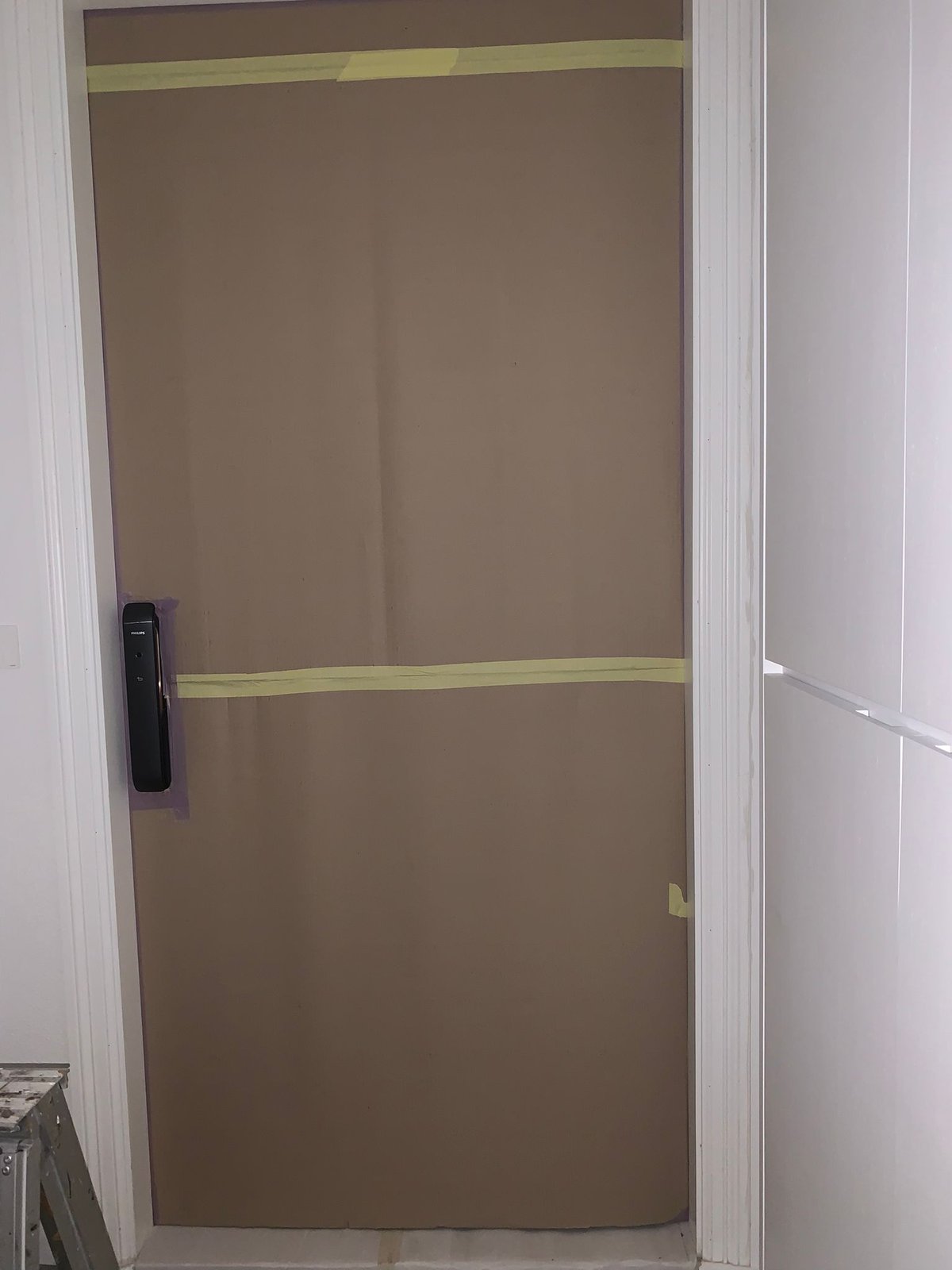
- Full floor protection, taped at the seams, extending beyond the works area
- Daily clean-down of the surrounding areas, not only the works area
Floor protection deserves particular attention in a live building because it is doing two jobs: keeping the finish underneath intact, and keeping tracked-out dust off the areas people still use.
Noise is a timing problem before it is an equipment problem
Quieter methods help — sawing instead of breaking, coring instead of hacking, hand demolition where the quantity allows — but no method makes structural demolition quiet. The workable approach is to identify every genuinely loud operation at the start, group them, and place them into the windows the building permits, rather than discovering mid-project that the noisiest three days fall during the tenant’s audit week.
Permitted hours are set by the authorities and, separately and often more tightly, by the building’s own rules. Confirm both, in writing, before the programme is fixed.
Smell is the one that surprises people
Adhesives, coatings, sealants and solvent-based products produce odour that the building’s air handling will distribute efficiently to places you are not working. The controls are choosing low-odour or water-based products where the specification allows, isolating the air handling serving the works area, ventilating locally, and scheduling the strongest-smelling operations into the quietest occupancy windows.
Spray finishing is the clearest example. Where a component can be sprayed in our own booth and delivered finished, the odour problem never enters the building at all.
Protecting what is already finished
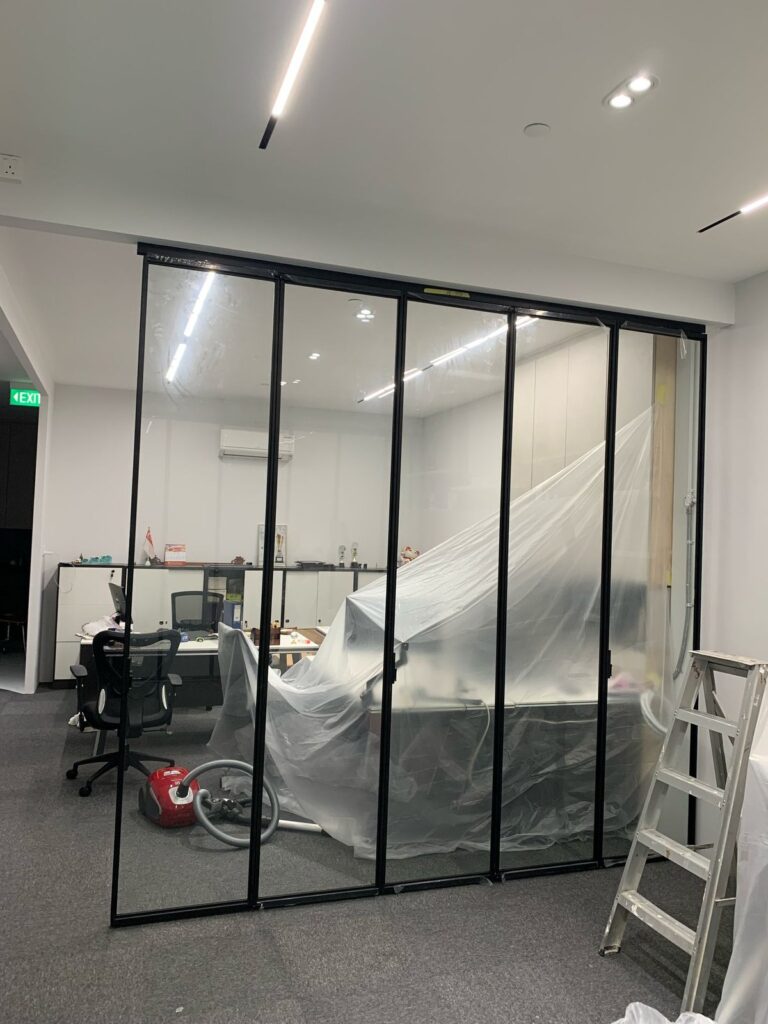
In a phased A&A project, completed areas sit next to active ones for months. Those areas need the same protection discipline as the occupied ones — covered floors, protected door frames and corners, controlled access — because damage to a finished area is more expensive to put right than protecting it ever was, and it is always discovered at handover.
The sequence that keeps you welcome
- Agree the containment method with building management before mobilising.
- Erect hoarding and lay protection before any strip-out begins.
- Establish negative pressure and the clean exit route on day one.
- Group noisy operations and book them into permitted windows.
- Choose low-odour products where the specification allows; isolate the affected air handling.
- Clean down surrounding areas at the end of every shift, not at the end of the week.
- Inspect the hoarding seal weekly — it degrades as people move through it.
How Rongda Pacific handles containment
We have carried out interior works in live clinical environments and phased commercial sites, where access, protection and sequencing were planned around building operations rather than the other way round. Producing joinery, stone and metalwork in our own facility removes a large share of the cutting, machining and finishing from the building entirely, which is the most effective dust control available.
Frequently Asked Questions
Can dust be kept out of the occupied areas completely?
With sealed hoarding, negative pressure and on-tool extraction it can be kept to a level that does not affect the surrounding areas. The parts most often neglected are the hoarding head, the exit route and the daily clean-down outside the works area.
What can be done about noise from demolition?
Choose the quietest viable method, then manage the rest by timing. The practical control is identifying every loud operation early and booking it into the windows the building allows, so that nothing noisy happens by surprise.
Why does the smell reach floors we are not working on?
Because the air handling distributes it. Isolating the system serving the works area, ventilating locally and using low-odour products where the specification permits are what stop it travelling.
Who is responsible for protecting areas that are already complete?
We are, until handover. Completed zones in a phased project are protected and access-controlled on the same basis as occupied areas, because damage found at handover costs far more than the protection would have.