
On a large project, the FF&E schedule is the real deliverable. Furniture arriving in the wrong order does more damage to a programme than furniture arriving late.
Why the Schedule Is the Real Deliverable
A commercial FF&E project in Singapore can involve thousands of items, multiple suppliers, imported shipments and a fixed handover date. Without a delivery and installation schedule, the site floods with cartons, floors get blocked and installers spend the day hunting for the right item instead of fitting it.
Start From the Handover Date and Work Backwards
A workable schedule is built backwards from the client’s handover or opening date. From there we set the installation window per zone, the delivery dates that feed each window, and the shipment and warehouse dates that feed those deliveries. The slowest casegood item, not an average, sets the critical path.
Warehouse Consolidation Before Site
Large projects rarely install straight off the truck. Furniture is received into a warehouse, checked against the packing list, inspected for damage, identified and stored by zone, then released to site only when its installation window opens. This keeps the site clear and lets damaged items be flagged and replaced before they hold up installation.
Booking the Building’s Logistics
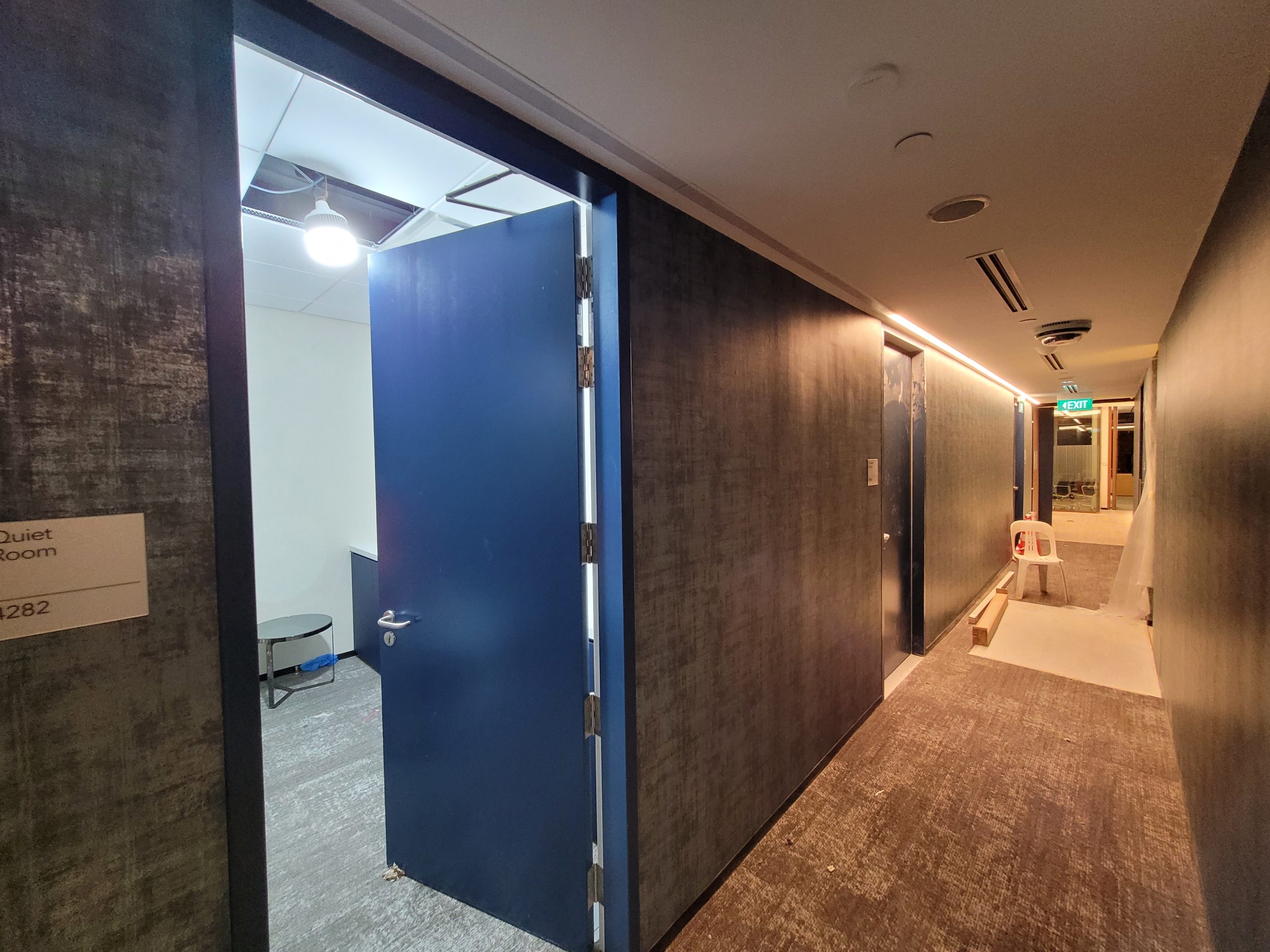
Every building imposes its own logistics rules. The loading bay has to be booked, the service lift has a size and weight limit, common areas need protection, and works are only permitted within set hours. We confirm these early so delivery vehicles, lift slots and manpower all line up on the day instead of waiting.
Floor-by-Floor and Zone Sequencing
Installation runs in a fixed order so quality stays consistent and trades do not clash. A typical sequence moves from a model or sample zone, to standard zones, to public and specialist areas, and finally to the punch list.
A typical FF&E schedule skeleton:
- Warehouse receiving and inspection
- Model / sample zone for sign-off
- Standard floors or zones, in delivery order
- Public areas, counters and specialist joinery
- Stone and solid-surface tops fitted after casegoods
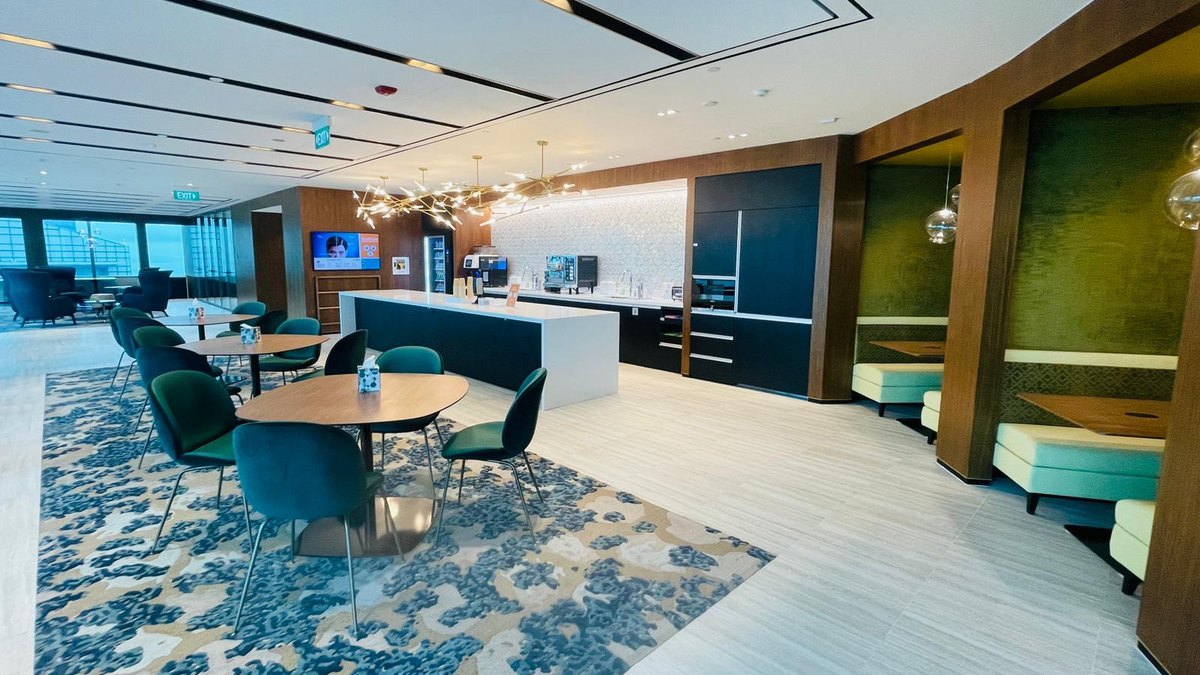
- Snagging, final clean and handover
Building In Buffer for Snagging
A schedule with no buffer fails at the first damaged carton. We build in time for inspection, defect rectification and replacement deliveries so a single late or damaged item does not push the whole handover. The buffer is planned, not borrowed from the opening date.
Why Choose Rongda Pacific
We plan and run FF&E delivery and installation schedules for large Singapore projects — warehouse consolidation, logistics booking, zone sequencing, installation, stone coordination, inspection and handover — so the programme holds from the first delivery to the final sign-off.
Frequently Asked Questions
How far ahead should FF&E delivery be scheduled?
The schedule is built backwards from the handover date, with the longest-lead casegood item setting the critical path. We plan warehouse and delivery dates around that.
Why consolidate furniture in a warehouse first?
So items are inspected and kitted by zone, damage is caught early, and site floors stay clear during installation.
Do you handle the building’s loading bay and lift booking?
Yes. We confirm loading-bay slots, service-lift limits, protection and permitted hours as part of the plan.
What happens if an item arrives damaged?
We flag it at warehouse inspection and arrange a replacement within the schedule buffer so it does not delay handover.