
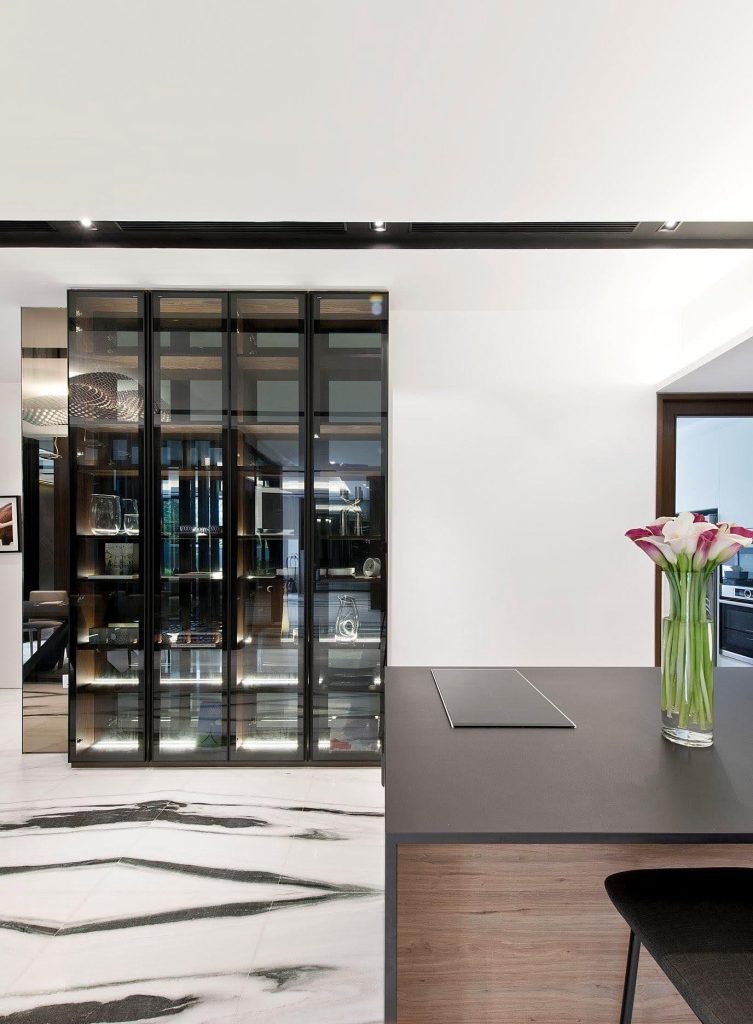
Serviced apartments are designed for repeated occupancy, so whether a development has twenty units or five hundred, every apartment has to offer the same comfort, appearance and functionality. Consistency, not any single showpiece unit, is the real measure of quality — and consistency is an execution problem, not a design one.
Related service: FF&E installation services in Singapore.
Every Apartment Must Deliver the Same Experience
A guest who stays in unit 07-12 and returns to 14-03 should not be able to tell the difference. That sounds obvious and is surprisingly hard: the same wardrobe installed by different teams, on different floors, over three months, against walls that vary by ten millimetres, will not look identical unless somebody has decided in advance exactly how it will be installed and made that decision repeatable.
Achieving it takes detailed planning, inventory control, logistics management and disciplined installation. At Rongda Pacific Pte Ltd we provide imported furniture installation and turnkey FF&E for serviced-apartment developments across Singapore.
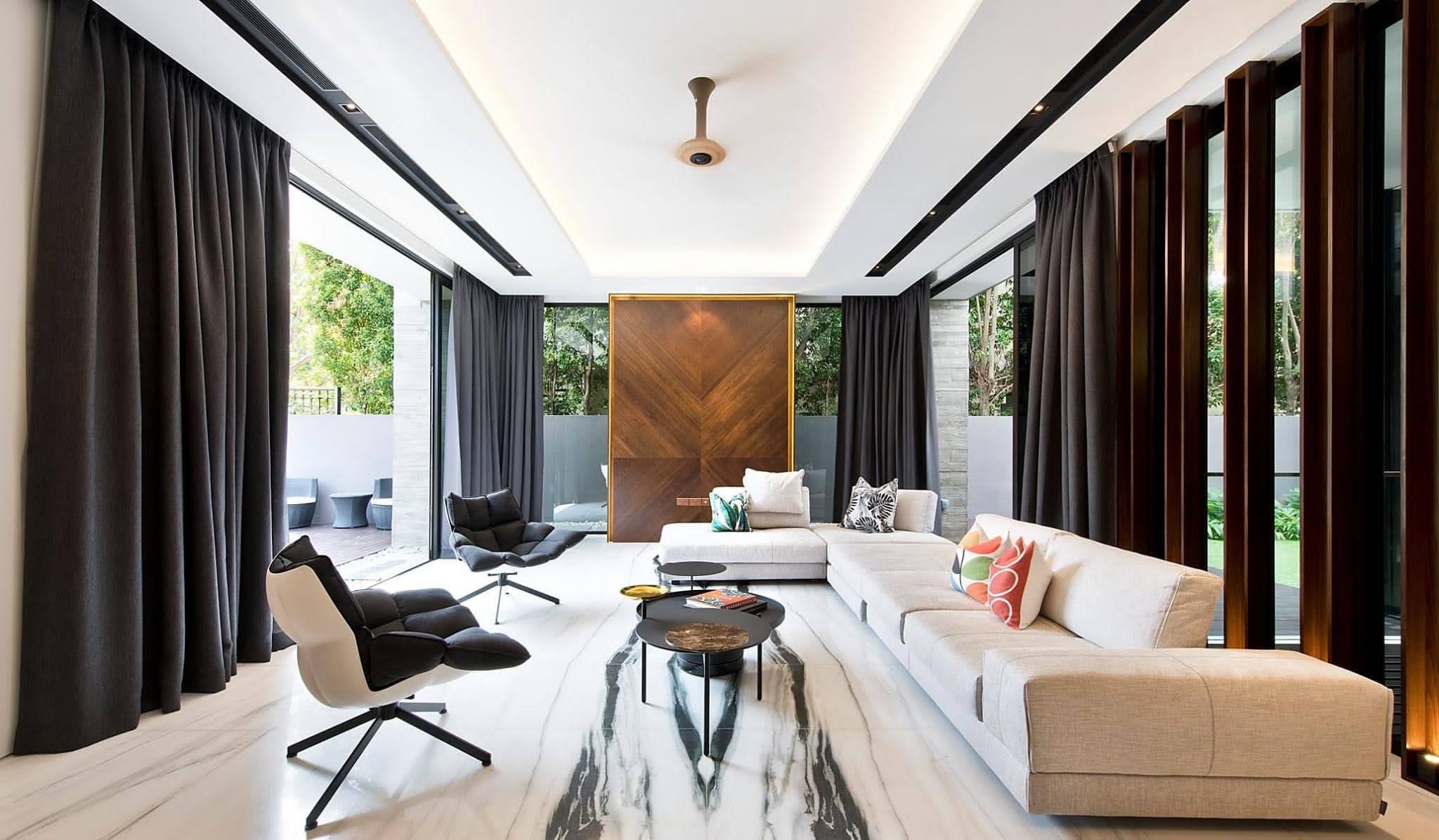
What Serviced Apartment FF&E Covers
A serviced apartment blends residential comfort with hotel-level standards, which means it carries more built-in joinery and more appliance interfaces than a hotel guestroom of the same size.
Living area:
- TV console, feature shelving and display cabinetry
- Sofa, coffee table and loose furniture
- Wall panels and decorative joinery
Kitchen — the most interface-heavy room in the unit:
- Cabinetry, stone countertops and splashbacks
- Built-in appliances: hob, hood, oven, fridge and often a washer
- Pantry storage and dining furniture
Bedroom and bathroom:
- Bed frames, headboards, bedside tables and luggage benches
- Wardrobes, usually full-height and the tightest fit in the unit
- Dressing tables and mirrors
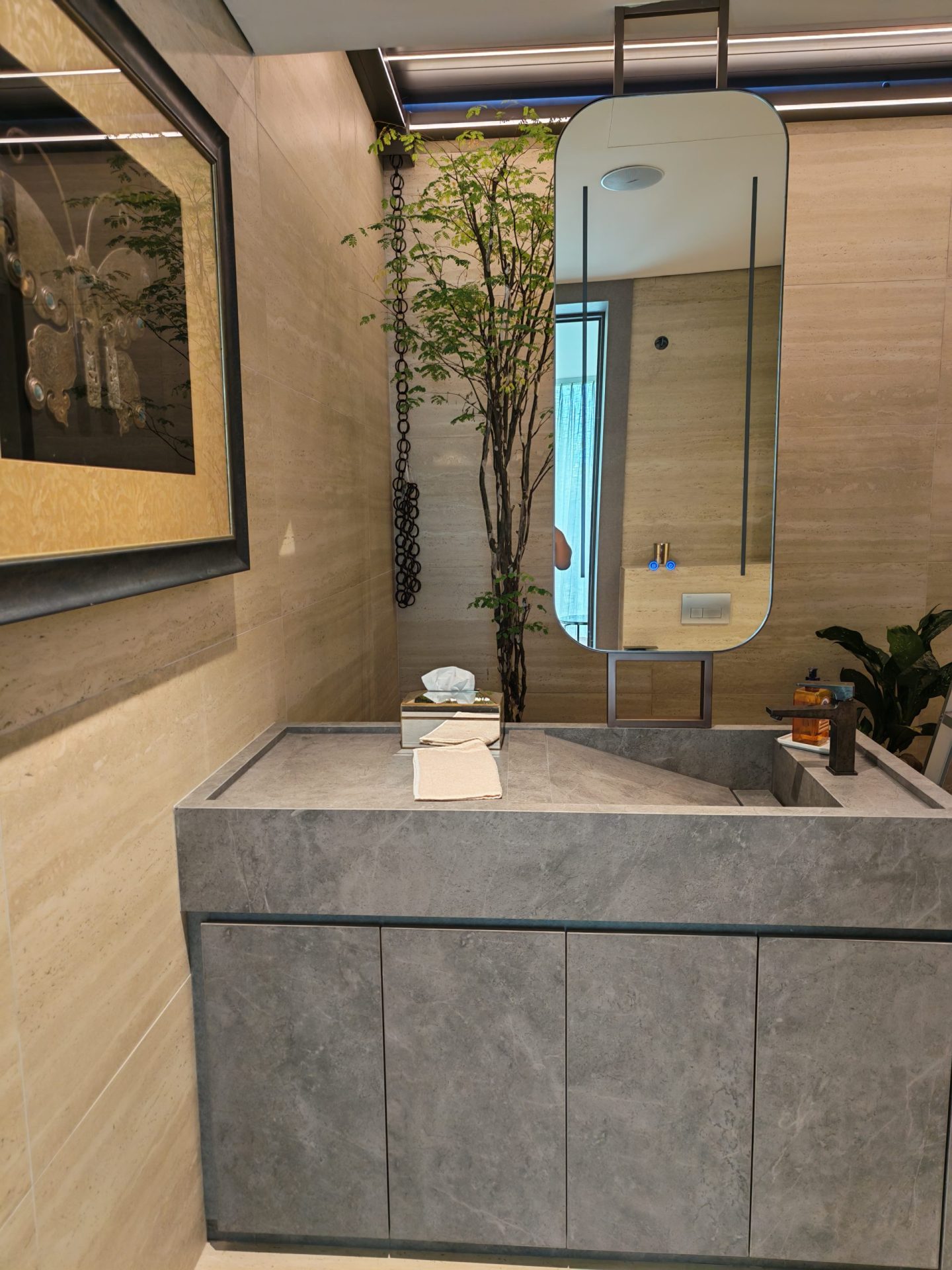
- Vanity cabinets, stone tops, storage and accessories
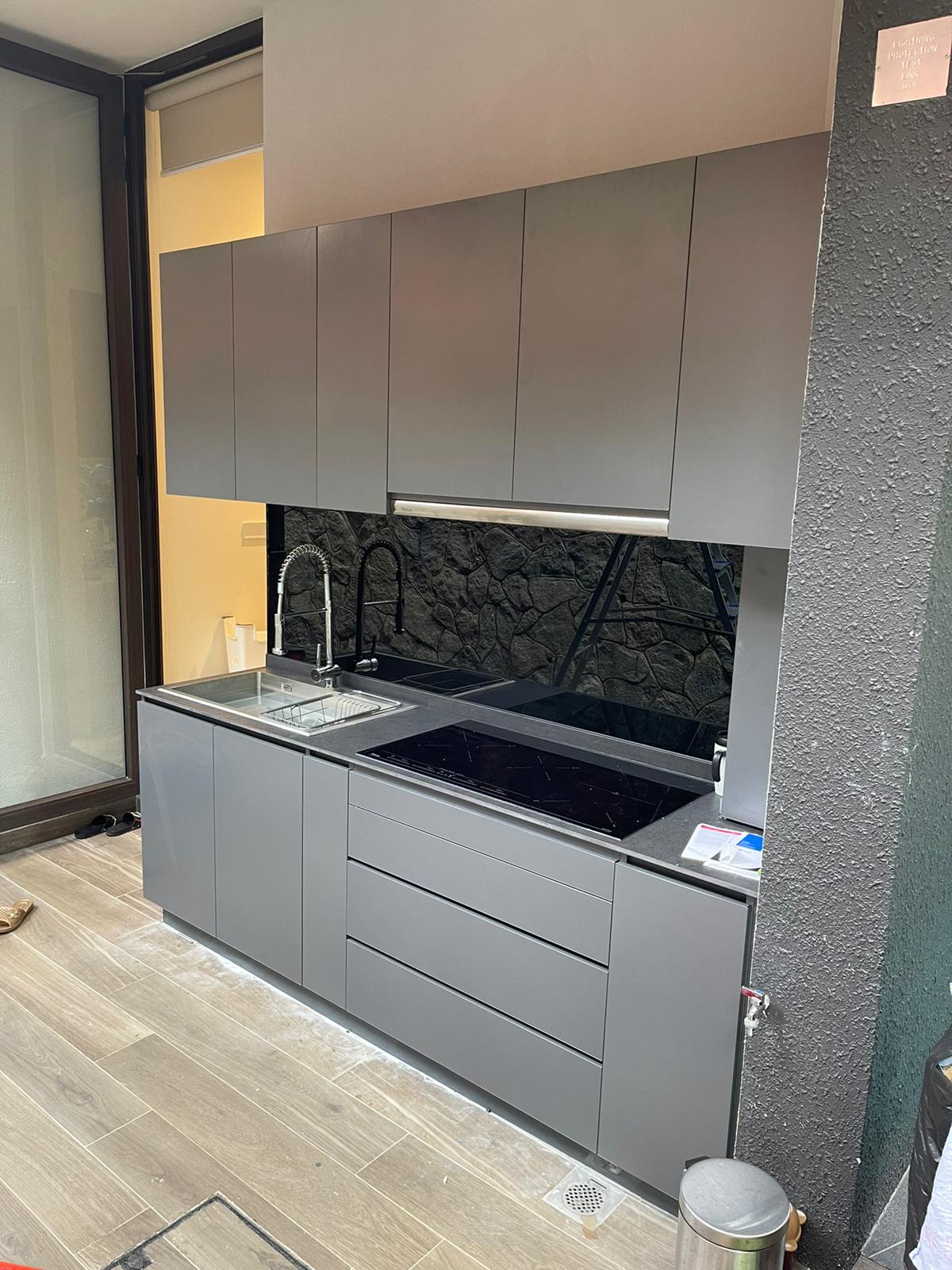
Standardisation Is What Makes Repetition Possible
Serviced apartments usually follow a small number of standard unit layouts, which lets installation teams build repeatable workflows instead of solving each unit from scratch. The gain is not only speed.
What standardisation actually delivers:
- Faster installation, because the sequence is known rather than improvised
- Consistent quality, because the same detail is repeated the same way
- Simpler maintenance, because the operator learns one system
- Easier future replacement, because components are interchangeable between units
- Lower operational cost across the life of the building
The condition for all of that is that the standard is written down. A first unit that everyone agrees looks correct is worth little if nobody recorded the filler strategy, the fixing method and the sealant colour that produced it.
The First Unit Sets the Standard for Every Unit After It
Before mass installation begins, one unit of each type should be completed and approved. It is the cheapest opportunity the project will ever have to change its mind.
What a first unit should settle, per unit type:
- Wardrobe and full-height joinery fixing method and substrate
- Filler and scribe strategy where walls are out of true
- Stone-to-cabinet junction, edge profile and sealant colour
- Appliance clearances, ventilation and service access
- Shadow gaps, door alignment and drawer reveals
- Protection method and how the unit will be handed over
A defect corrected in the first unit is corrected once. The same defect discovered on the twentieth floor has already been built into every unit below it. Our guides to mock-up room and sample unit installation and trial assembly of the first unit cover what to build and what to test.
Warehouse Receiving and Inventory Control
Large developments involve hundreds or thousands of components arriving across several shipments over several months. Without inventory control, the project discovers on installation day that unit 12-04 is missing two drawer fronts that were actually delivered eight weeks earlier and stacked with another unit type.
What happens before anything reaches a unit:
- Delivery verification and quantity checks against the packing list
- Damage inspection for transit and moisture exposure
- Unit-type allocation, not just carton counting
- Barcode or label identification so an item can be traced back
- Controlled storage that keeps sets together
- Staged release matched to unit readiness
Our guides to warehouse receiving and quality inspection and container unloading and FF&E receiving cover the process from the container door onwards.
Kitting by Unit, Not by Component
Furniture is packed for shipping efficiency — all wardrobe carcasses together, all drawer fronts together — because that fills a container best. Installation needs the opposite: everything for unit 12-04 released as one complete set.
A kit is complete only when the carcass, fronts, hardware, fixings, stone top and accessories are all present. Releasing an incomplete kit produces a unit that is ninety per cent installed and cannot be closed, and a ninety per cent installed unit blocks the following trades exactly as effectively as an empty one. Our guide to room-by-room FF&E kitting and staged delivery covers how those sets are built.
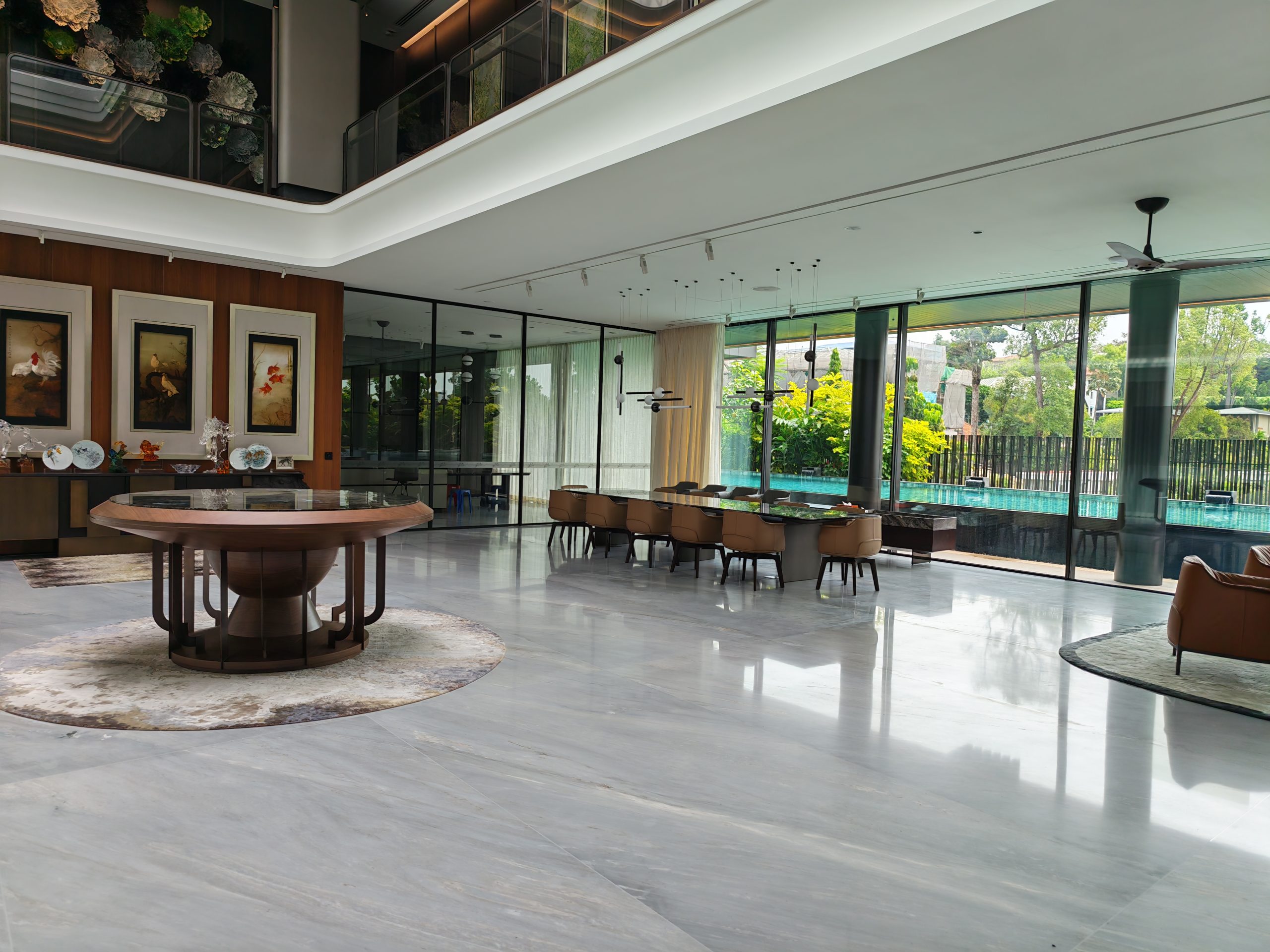
Stone Follows Cabinetry, Always
Kitchen and bathroom countertops are installed after cabinetry, in a fixed order that improves accuracy and removes most rework.
Templating from a drawing rather than from the installed carcass is the most common cause of a slab that does not fit. On a development with two hundred identical kitchens the temptation to template once and cut two hundred tops is strong — and it works only if the cabinets really are installed identically, which is exactly what the first-unit approval and the filler strategy are meant to guarantee. Our guides to on-site stone measurement and local fabrication and stone and solid-surface coordination cover the detail.
Appliances Are an Interface, Not a Delivery
Serviced apartments carry more integrated appliances than hotel rooms — hob, hood, oven, fridge, dishwasher and often a washer-dryer inside joinery. Each one needs its aperture, its services and its ventilation agreed before the cabinetry is manufactured, and each one needs to remain serviceable afterwards.
The failures are predictable: a hood that cannot be ducted through the route the design assumed, a fridge aperture that leaves no ventilation gap, an appliance that fits but cannot be withdrawn for service without dismantling the cabinet. Our guide to integrated appliances and imported cabinetry covers what to close out before manufacture.
Access, Lifts and Delivery Sequencing
On a residential tower the goods lift decides the programme. It is shared with every other trade, it runs to a booking sheet, and furniture is bulky and slow to move. A realistic installation plan is built around lift capacity per day and floor-level staging space, not around how quickly a team can assemble a wardrobe.
Items that will not fit the lift — long stone tops, oversized mirrors, tall wardrobe carcasses — must be identified at drawing stage. Our guides to oversized and high-level installation and last-mile delivery for imported furniture cover access surveys and delivery planning.
Protecting Completed Units Until the Operator Takes Over
Once a unit is finished it has to stay in that condition until the operator receives it, which on a large development can be months. Flooring, corners, lift lobbies, doors, stone surfaces and cabinet edges are protected, and — more importantly — access to completed units is controlled.
Covering the furniture is the easy part. What keeps a finished unit finished is deciding who may enter, under what permission, and who reinstates protection afterwards. Our guides to imported furniture protection after installation and zoned handover control cover the materials and the management layer.
Handover Unit by Unit, and What the Operator Needs After It
Units are inspected and released individually against a written checklist, with each unit and item carrying a reference that runs from installation through snagging to sign-off. Our guides to room-by-room handover and asset tagging and FF&E snagging and defect rectification cover how that stays auditable across hundreds of units.
What the operator needs afterwards is different from what the developer needed during construction. A serviced apartment is a trading asset: guests damage things, and a damaged wardrobe front has to be replaced in days, not months. That means a small local spare-parts stock, a documented component schedule, and a partner able to fabricate or refinish a matching part in Singapore. Our guides to replacement parts and local rectification and after-sales service and defect liability cover what to agree before handover.
How Rongda Pacific Supports Serviced Apartment Projects
Rongda Pacific Pte Ltd delivers turnkey FF&E installation for serviced-apartment and branded-residence developments across Singapore. Our scope covers container receiving and warehouse inspection, inventory control and unit-type allocation, kitting and staged release, first-unit installation and approval, wardrobe, kitchen and bathroom joinery installation, stone site measurement, fabrication coordination and fixing, integrated appliance coordination, builder’s works and services interfaces, protection and access control, unit-by-unit snagging and handover, local rectification and post-handover spare parts.
Frequently Asked Questions
How is consistency maintained across hundreds of units?
By approving one unit of each type first and then recording exactly what produced it — fixing method, filler strategy, sealant colour, alignment tolerances — so the same result can be repeated by different teams on different floors months apart.
Can stone be templated once and cut for every identical unit?
Only if the cabinets really are installed identically, which is what the first-unit approval and filler strategy are meant to guarantee. Where wall tolerances vary, templating per unit or per stack is safer than assuming the drawing.
What is kitting and why does it matter here?
Kitting means releasing everything for one unit as a complete set rather than by component type. Furniture ships packed for container efficiency; installation needs it packed by unit. Without kitting, teams get partial sets and units stall at ninety per cent.
How long does FF&E installation take for a serviced apartment development?
It is usually limited by goods lift capacity and inspection throughput rather than by installation labour. Once the first unit is approved, the sustainable rate per floor is what sets the programme.
Who handles integrated appliances?
The apertures, services and ventilation have to be agreed before cabinetry is manufactured, and serviceability has to be confirmed — an appliance that fits but cannot be withdrawn for repair is a defect the operator lives with for years.
How are completed units protected before handover?
With physical protection on floors, corners, doors and stone, plus controlled access to finished units. The protection itself matters less than the rule about who may enter and who reinstates it afterwards.
What should the operator receive at handover?
A unit-by-unit record with item references, condition photographs, finish and component schedules, and cleaning guidance — plus an agreed route for replacement parts, because a trading asset needs repairs measured in days.
Can damaged imported furniture be replaced locally?
In most cases yes. Panels can be refabricated, lacquer and veneer can be repaired, and matching components can be produced in Singapore. That is what turns a guest-damaged wardrobe front into a two-day fix instead of a two-month reorder.
More in FF&E Installation
 Rectifying FF&E in a Hotel That Has Already Opened: Room Nights, Housekeeping Access and the Remove-and-Return Cycle
 How Many Spares Should an Imported FF&E Package Carry? A Risk-Based Alternative to the 2% Line
 Large Residential Development FF&E in Singapore: Unit-by-Unit Handover, Defect Patterns and a Liability Period in Occupied Homes