

A project is not complete when the last cabinet is fixed in place. It is complete only after every detail has been inspected, tested, cleaned and presented to the client in proper working order.
Related service: FF&E installation services in Singapore.
Installation May Be Finished, but the Project Is Not Yet Complete
The final cabinet may be installed, but a professional contractor still has important work to do. A structured final inspection confirms that moving parts operate correctly, finishes meet the required standard and any outstanding issues are resolved before the client takes possession of the space.
Rongda Pacific Pte Ltd treats inspection and handover as a distinct project stage rather than an administrative formality.
Why the Final Inspection Matters
Even a well-managed installation may require small finishing adjustments. Typical items include aligning doors and drawers, touching up silicone joints, removing protective-film residue, checking lighting, tightening hardware, cleaning surfaces and correcting panel lines.
Completing these tasks before the client inspection demonstrates attention to detail and creates a more professional handover experience.
Use a Structured Quality Checklist
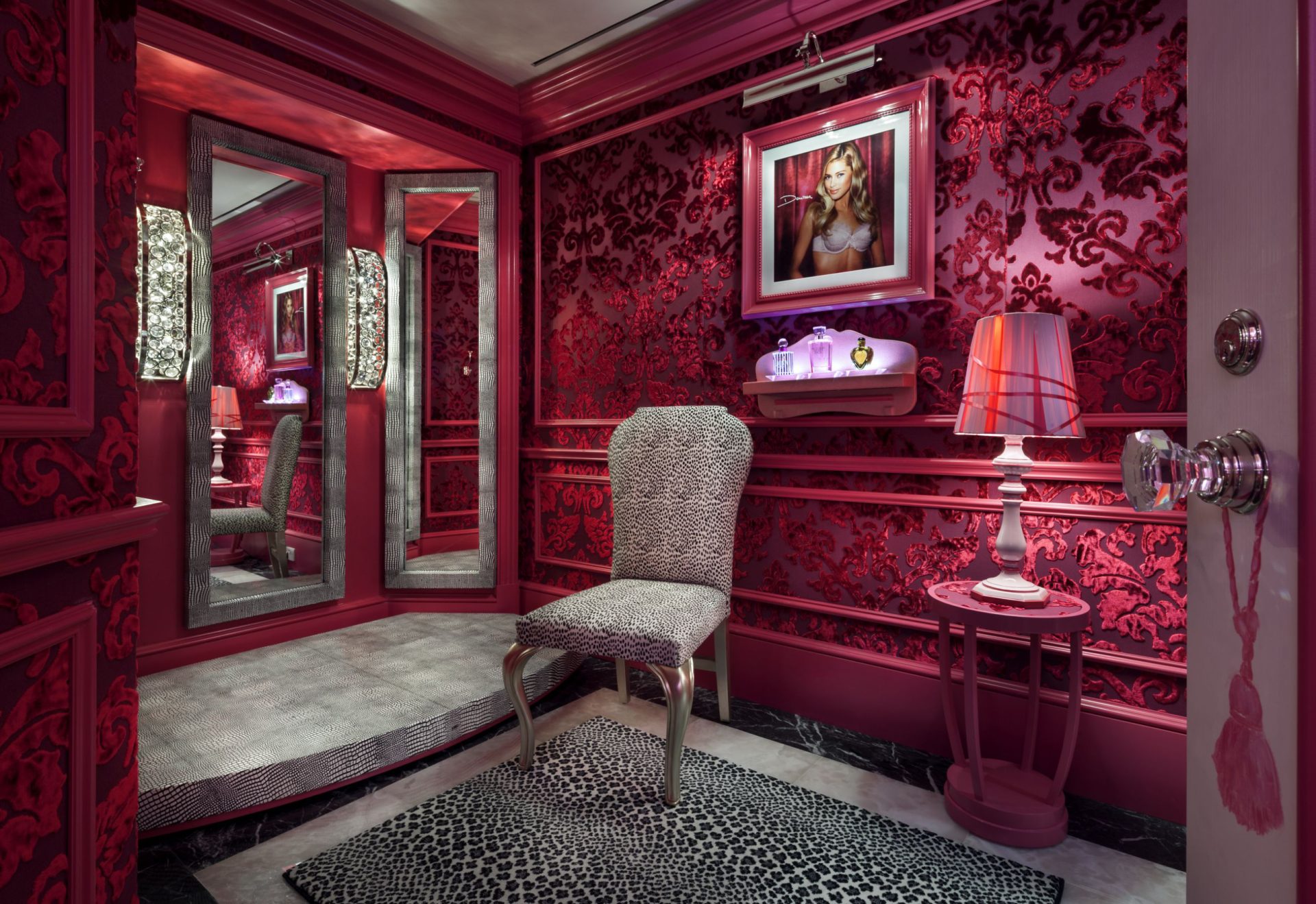
A final inspection should not rely on a quick visual review. The checklist should cover cabinetry, stone, glass, mirrors, lighting and associated finishes. Door gaps should be consistent, hinges and drawers should operate smoothly, worktops should be level, joints should be clean, glass should be secure and free from visible damage, and all integrated lighting should function correctly.
Test Every Moving Component
Furniture systems contain numerous moving parts, all of which should be tested before handover:
- Soft-close hinges
- Drawer runners
- Sliding wardrobe systems
- Lift-up cabinet doors
- Pull-out pantry units
- Motorised mechanisms
- Folding and bi-fold doors
Functional testing improves reliability, identifies adjustment needs early and reduces avoidable service calls after handover.
Present a Clean, Finished Space
After installation, the team should remove protective films, dust, pencil marks, silicone residue and packaging. Cabinet surfaces, worktops, glass and hardware should be cleaned so that the client can inspect the workmanship without construction debris obscuring the finish.
Run Snagging as a System, Not a List
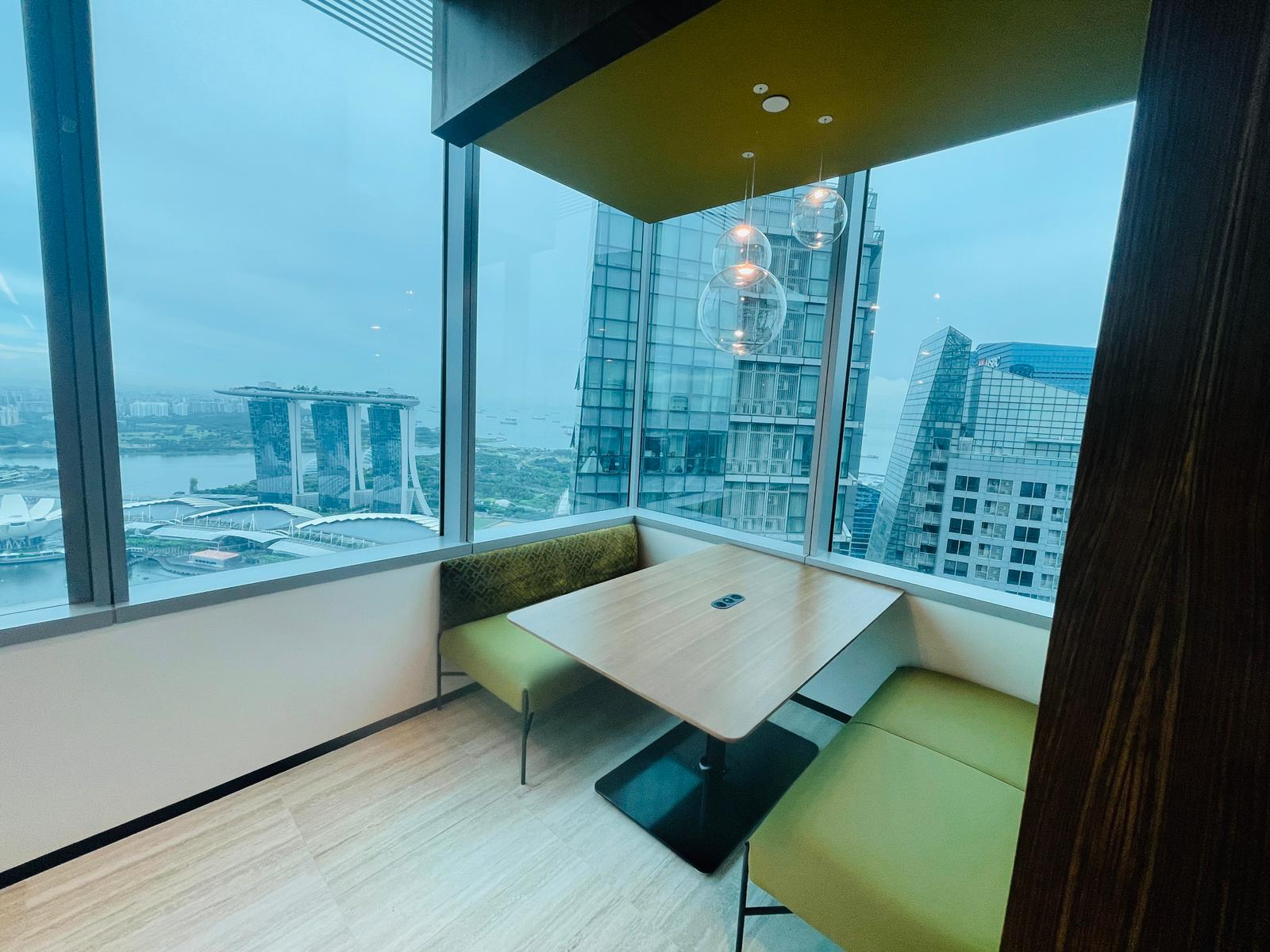
Snagging, punch-listing or defect rectification is the systematic inspection of installed FF&E to find what still needs correcting before acceptance: door gaps, drawer operation, hardware, scratches, veneer or laminate defects, stone joints, silicone, glass alignment, metalwork, LED integration, missing accessories and incomplete making good. The aim is not a long list but a closed one, so every item should move through the same steps:
- Identify — inspect every room, area or item systematically.
- Record — location, item number, description, photograph and drawing reference.
- Classify — installation, manufacturing, shipping damage, site condition or another trade.
- Rectify — assign the right technician or specialist.
- Reinspect and close — only verified items are marked complete.
Imported furniture adds a question local joinery does not have: when a decorative panel is damaged and the factory is thousands of kilometres away, can it be repaired on site, fabricated locally, or does the original manufacturer have to remake it — and can the surrounding works continue meanwhile? Stone needs its own inspection, because chips, joint alignment and cut-out problems are rectified differently from carpentry, and integrated lighting should be checked for an even light line, driver access and cable concealment, not just whether it switches on.
On repetitive projects, a defect that appears in the first ten hotel rooms is a process problem, not ten repairs: fix the cause before the next floor. An approved mock-up gives every inspector the same benchmark for gaps, hardware positions and silicone, and a rectification is not finished until the surrounding paint, skirting or silicone it disturbed has been made good.
Rectify Defects Before the Client Walkthrough
A professional contractor identifies and addresses defects before the client encounters them. Rectification may include replacing a damaged panel, realigning doors or trims, correcting silicone joints, tightening fixings or replacing defective hardware.
Proactive rectification reduces the length of the outstanding-items list and gives the client confidence in the contractor’s quality-control process.
Conduct a Clear Client Walkthrough
The walkthrough allows the installer to explain how the cabinetry and hardware should be operated and maintained. It may cover cleaning methods, care of stone and specialist finishes, warranty arrangements and any recommended follow-up inspections.
A professional handover may include:
- A signed completion checklist
- Photographic records
- An outstanding-items list, where applicable
- Warranty information
- Care and maintenance guidance
Clear documentation provides transparency and creates a useful reference for maintenance, warranty and future service work.
Large Projects: Hand Over Room by Room
A 300-room hotel or a serviced-apartment tower repeats the same furniture package hundreds of times, and “Level 8 is almost done” tells the operator nothing. What they need is which rooms are complete, which have open defects, which are waiting for replacement parts and which can be released.
The practical answer is to make the room the unit of completion and give each furniture item a status that means something: delivered, installed, inspected, defect outstanding, rectified, closed. “Done” is not a status — an installer may call a wardrobe complete when the carcass stands, while the project manager sees unadjusted doors, a missing handle and film still on the panels.
On suitable projects a consistent asset reference ties it together, for example HTL-A-L12-R1208-WD01 for Hotel A, Level 12, Room 1208, Wardrobe 01. The same reference then appears on the packing list, warehouse record, installation report, defect list, replacement-part request and handover schedule, and defects carry their own number (D-1208-03) so a replacement shipped months later reconnects to the right room. Tags can sit inside carcasses, behind access panels or in a digital register so they never mark a finished surface; a simple register that is kept up to date beats a sophisticated one nobody maintains.
The handover file is also the facilities team’s first maintenance record: furniture code, hardware model, supplier, drawing and the location of LED drivers and access panels save a technician from dismantling finished joinery two years later.
Keep Finished Rooms Finished Until Handover
On a live site, covering the furniture is the easy part. A completed floor may still be walked through by dozens of workers reaching the floors above, and what decides whether it is still undamaged at handover is the control around it, not the protection material.
Give every room a declared status at the door — open work area, restricted finished area, final inspection, handover ready — and close zones floor by floor rather than room by room, so completed FF&E and active trades are physically apart. When an electrician or AV contractor genuinely needs to return, make it a controlled visit: a request naming the room and work, a protection check, attendance by the furniture contractor for high-value items, a condition check afterwards, and a named party who puts the protection back. That last step is the one most often skipped.
Photograph each item after quality control and before it is covered, record when protection went on, and inspect the protection itself — loose, torn or wet covering, or dust trapped against a gloss panel, does more harm than none. Remove protection only once heavy works and major cleaning in that zone are finished, and only as fast as the inspection and rectification team can review the rooms. Brief the cleaners too: abrasive pads and the wrong chemicals scratch more finished surfaces in the final week than months of construction did. If the same damage keeps appearing across many rooms, treat it as a failure of the protection system, not a repair backlog.
Why Choose Rongda Pacific
Our quality-assurance process includes installation inspection, functional testing, fine adjustment, defect rectification, final cleaning, a client walkthrough, handover documentation and applicable after-sales support. We aim to conclude every project with the same care applied during installation.
Frequently Asked Questions
Why is a final inspection necessary?
It confirms that the furniture operates correctly, the finishes meet the agreed standard and minor issues have been addressed before handover.
Does Rongda Pacific conduct a client walkthrough?
Yes. We can explain the operation and maintenance of the installed furniture and answer questions before completion.
What happens when a defect is identified?
The item is recorded, assessed and rectified where possible before final acceptance, subject to the project scope and availability of replacement parts.
Do you provide after-sales support?
Yes. Where applicable, we provide follow-up adjustment, maintenance and rectification services after handover.
More in FF&E Installation
 Rectifying FF&E in a Hotel That Has Already Opened: Room Nights, Housekeeping Access and the Remove-and-Return Cycle
 How Many Spares Should an Imported FF&E Package Carry? A Risk-Based Alternative to the 2% Line
 Large Residential Development FF&E in Singapore: Unit-by-Unit Handover, Defect Patterns and a Liability Period in Occupied Homes