
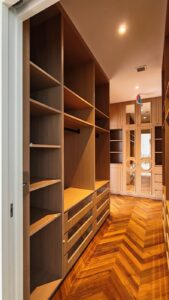
The wardrobe is installed and aligned, the stone vanity top is polished, the aluminium-framed glass doors are adjusted and the room looks ready for handover. Then it stays an active construction area for another three weeks. Electricians return, painters carry ladders through, air-conditioning contractors work directly above the cabinetry, and somebody puts a toolbox down on the new countertop.
Related service: FF&E installation services in Singapore.
The furniture installer may have completed the work correctly, but the client only ever sees the condition at handover. On an imported FF&E project this gap matters more than most people expect, because the panel that gets scratched in week eleven may take another eight weeks to reproduce and ship. At Rongda Pacific Pte Ltd, post-installation protection is treated as part of FF&E execution rather than as an afterthought — completing the installation is not enough if the completed work cannot survive the rest of the project.
Why Imported Furniture Is Most Exposed After It Is Fixed
Imported furniture may travel thousands of kilometres through factory packing, container loading, sea freight, port clearance, warehouse receiving and site delivery, and a great deal of effort goes into protecting it along the way. Ironically, some of the highest damage risk arrives in the final few metres. Once an item is fixed in position it cannot be moved out of the way when another trade enters the area. A full-height wardrobe, a built-in vanity or a stone reception counter simply becomes part of the working environment.
There is also a dangerous gap between the moment installation finishes and the moment protection goes on. During that window the finished item is completely exposed. A better sequence is to install, inspect, photograph and protect as one continuous operation rather than leaving the room and returning to protect everything later. On large projects, installers can prepare protection materials before starting each room or zone so that the covering follows the installer out of the door.
Different Finishes Need Different Protection
There is no single protection material suitable for every surface. An imported package may combine lacquer, spray-painted panels, natural veneer, laminate, leather, fabric, stainless steel, aluminium, glass, mirror, natural stone and sintered stone, and each behaves differently under adhesive, moisture, pressure and time.
Protection selection should consider:
- Scratch resistance and impact sensitivity
- Moisture behaviour in Singapore’s humidity
- Adhesive compatibility with the specific finish
- Ventilation requirements for equipment already energised
- How long the protection has to remain in place
- Whether it can be removed cleanly at the end
Using the wrong material can cause the very damage it was meant to prevent. High-gloss and matt lacquered surfaces are particularly unforgiving: fine scratches, pressure marks and dents become obvious under daylight, downlights, linear lighting and side lighting. Delicate finished faces should not receive unnecessary direct adhesive contact unless the protection system suits that finish, and hard objects should never be stacked against newly installed doors — even where the surface is covered, an impact can still damage the substrate underneath.
Factory Film Is Useful, But It Is Not Permanent
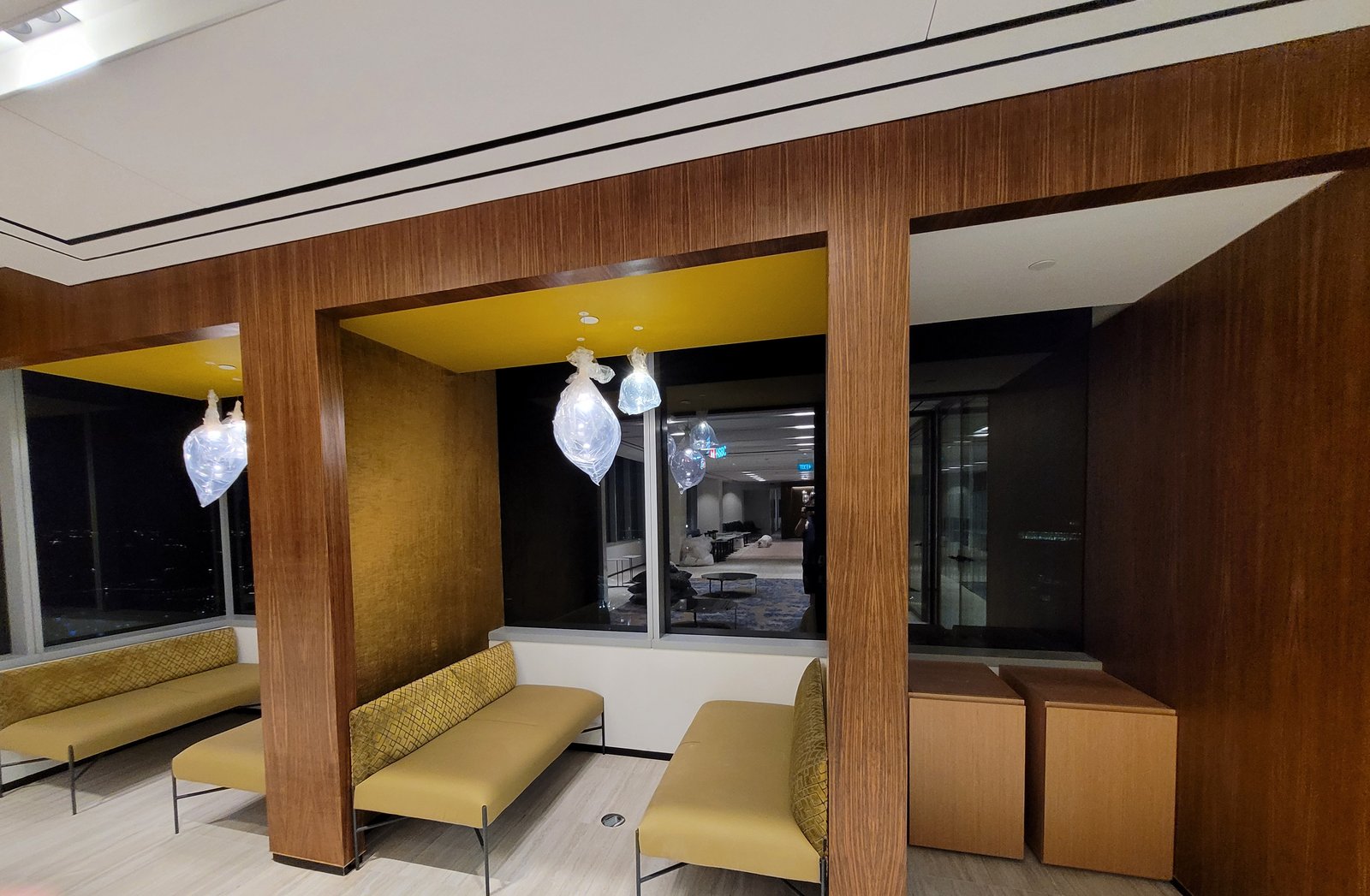
Factory-applied protective films on aluminium, stainless steel, glass frames and certain decorative surfaces are genuinely useful during installation. They should not, however, be assumed to be indefinite. Depending on the material and exposure to heat, sunlight and humidity, some films become progressively harder to remove or leave adhesive residue behind, so the project team should know whether the manufacturer specifies a removal period. Protection is temporary, and it still needs managing.
There is also frequent pressure to strip film early because the furniture photographs better without it. For an inspection or an approved sample that may be appropriate; for mass-installed furniture in areas where construction continues, removing factory protection for a photograph mainly transfers risk. Where possible, protection should stay until the relevant inspection or controlled handover stage.
Stone Needs Impact Protection, Not Only a Sheet on Top
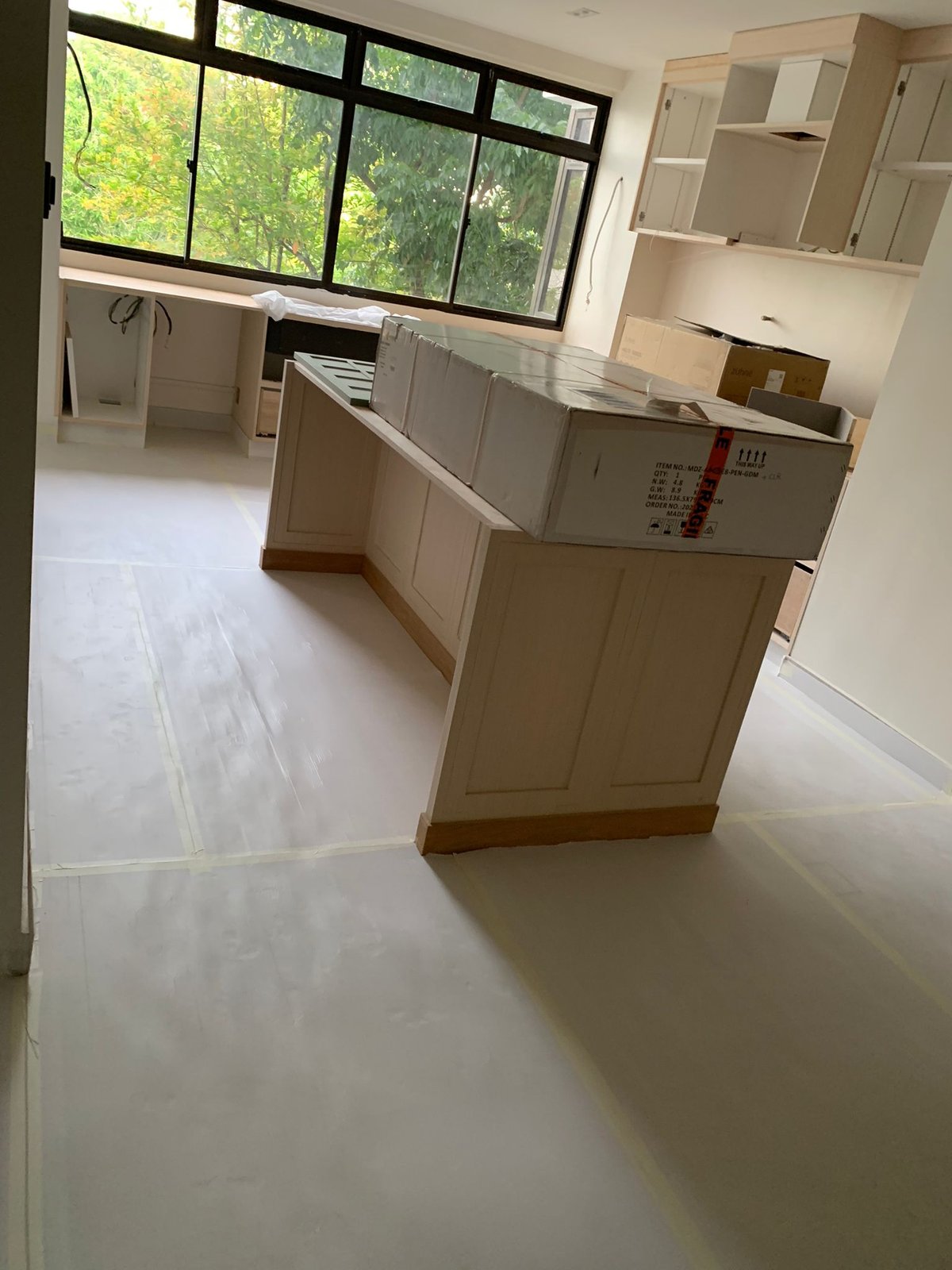
Stone is hard, which is not the same as being difficult to damage. The vulnerable areas are corners, exposed edges, sink and hob cut-outs, mitred edges and thin projections. A sheet laid over the top may prevent scratching while doing very little against a heavy tool striking an edge, so stone protection usually needs both surface covering and dedicated edge and corner guarding.
One of the simplest site rules prevents a disproportionate amount of damage: completed countertops are not workbenches. Drills, toolboxes, ladders, metal components, paint containers and heavy equipment should not be placed on finished stone or furniture, because concentrated impact transfers straight through most coverings. Glass is a similar case in reverse — it should be inspected before it disappears under protection, otherwise a scratch that happened during delivery is only discovered weeks later, when responsibility is far harder to establish.
Damage Also Arrives From Above, and From Dust
Not all damage comes from someone touching the cabinet. A completed wardrobe sitting below unfinished ceiling works is exposed to drilling debris, sprinkler and air-conditioning installation, painting and late M&E adjustment. Protection planning therefore has to consider what is still happening around and above the finished FF&E, not only what is in front of it.
Construction dust is its own problem. It enters drawer runners, hinges, sliding tracks, cabinet interiors and appliance ventilation, and fine particles trapped between a covering and a polished surface act abrasively every time that covering shifts. Protection needs to be clean when installed, properly fitted and periodically checked — covering furniture and forgetting about it for two months is not a strategy. Equally, Singapore’s humidity means wrapping certain surfaces too tightly for long periods can trap moisture, and protection must never block ventilation openings on refrigerators, wine chillers or other equipment that is already energised.
Before the Furniture Arrives: Protect the Building’s Own Finishes
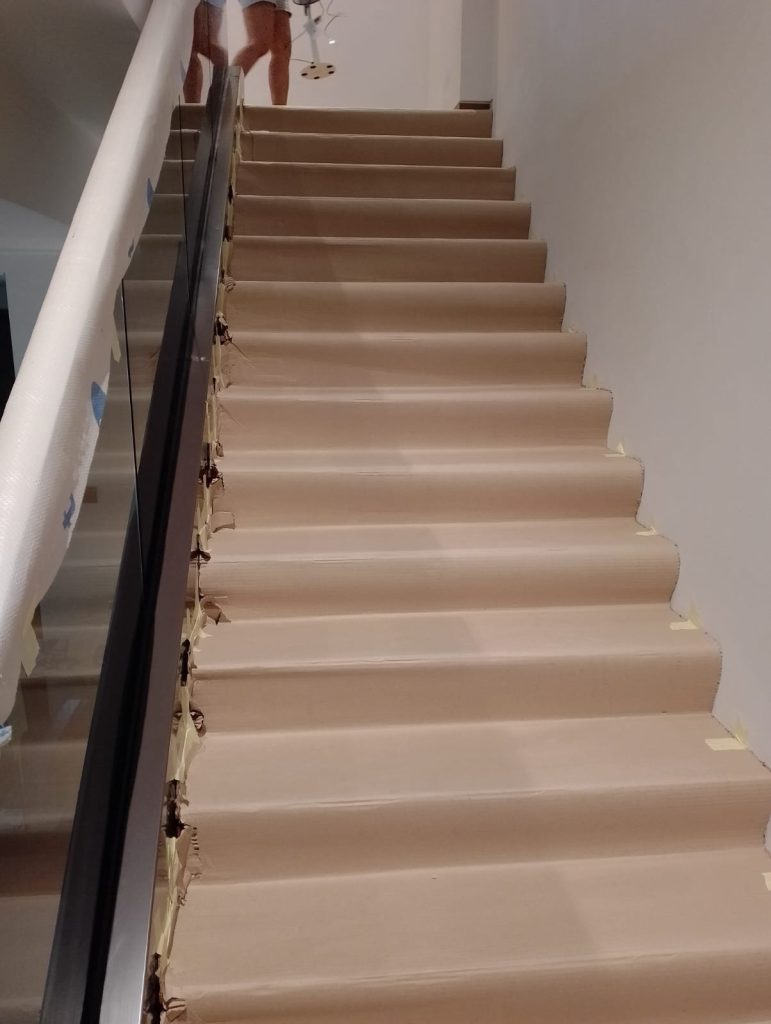
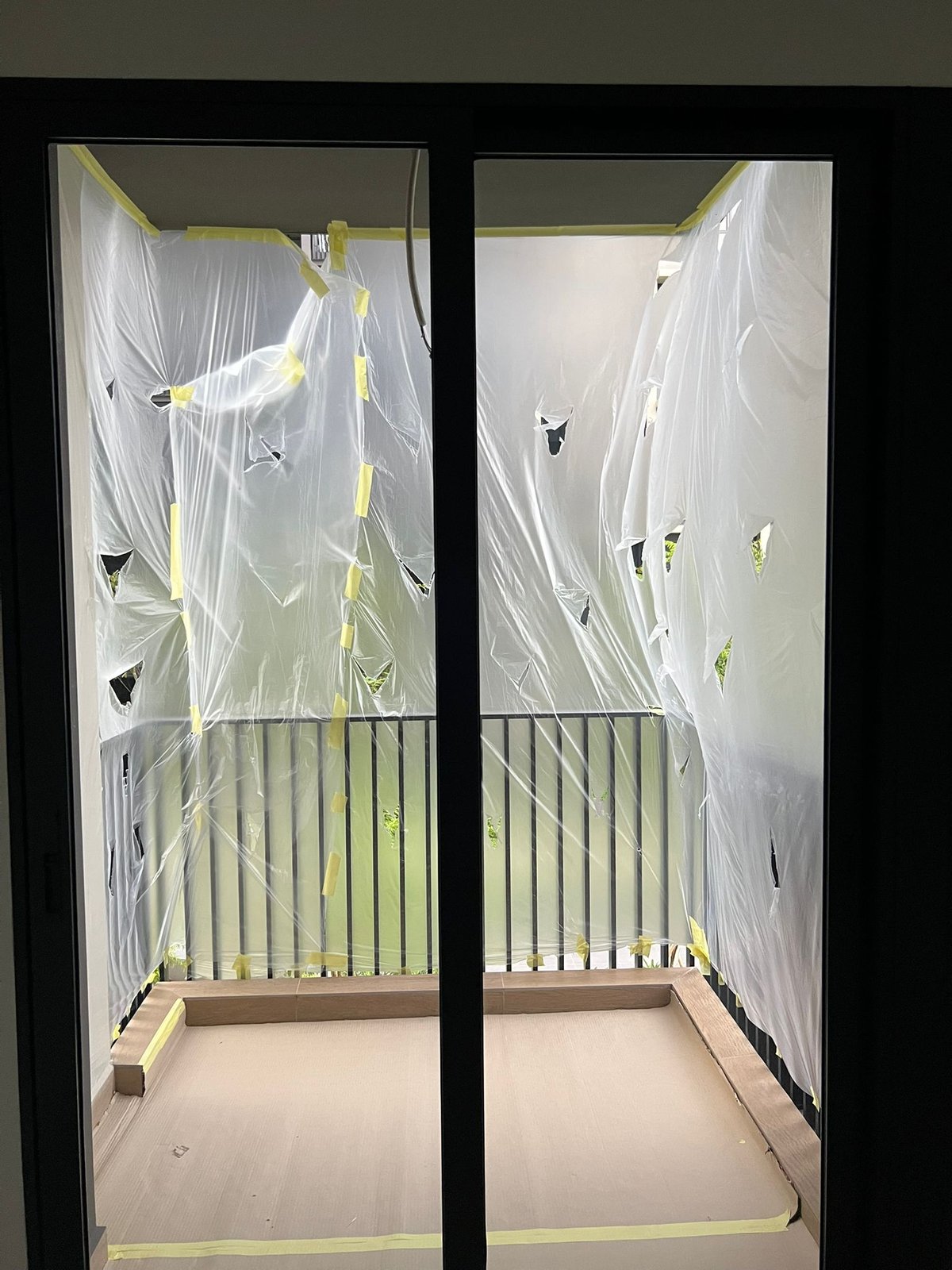
Protection does not start with the furniture. In a completed hotel, office or luxury home, the floors, walls, lifts and glazing the furniture travels past are often worth more than the furniture itself, and a scratched marble floor or chipped stone step can cost more to repair than the cabinet that caused it.
Before the first delivery, the installation team should inspect the work area, photograph the condition of completed finishes and agree what will be covered:
- Floors: marble, granite, engineered timber, vinyl, tile and carpet, along the whole route as well as in the room.
- Walls and corners: painted, wallpapered, timber, stone and glass finishes, especially at turning points.
- Shared areas: lifts, lift lobbies, corridors, staircases and entrance doors.
Heavy items need more than a sheet on the floor. Quartz and stone worktops, oversized wardrobes, mirrors and glass display cabinets concentrate load and are awkward to turn, so rigid boards and load-spreading layers belong under their route. That protection should stay in place through the cabinet, stone and glass works; lifting it as soon as the furniture is in simply moves the damage from delivery day to installation day.
Protect the Route Before You Protect the Room
Large imported furniture can damage completed flooring before it is ever installed. Marble, timber, vinyl, tile and carpet along the movement path may all need protection, and the path itself — loading area, lift, corridor, unit entrance, room — carries its own risks: scratched lift walls, hit corridor corners, damaged door frames, chipped marble and furniture damaged at tight turns. For oversized FF&E the protection plan has to cover the furniture and the building at the same time.
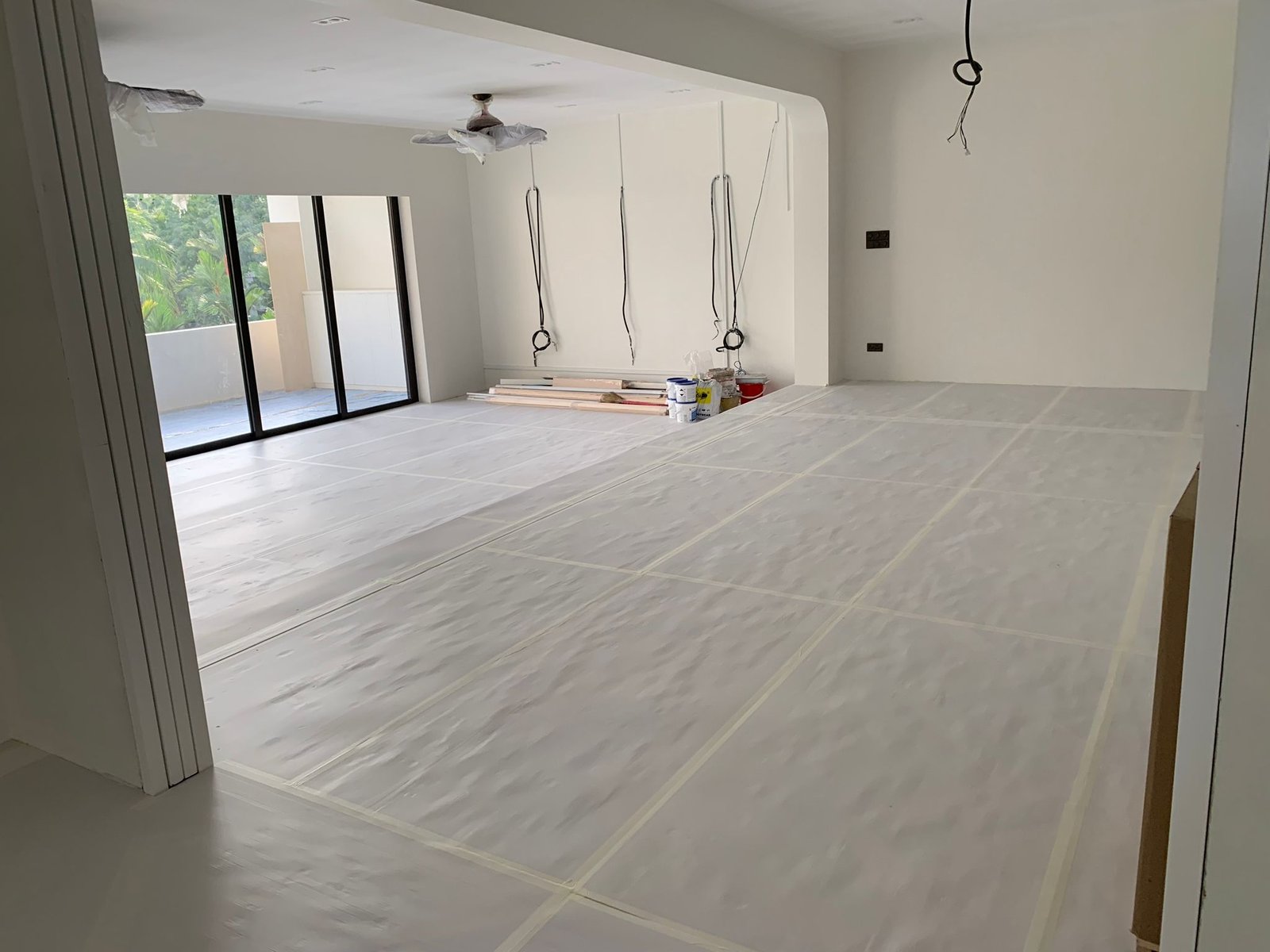
Completed rooms should also stop being used as storage. Tools, spare panels, cartons, paint and other trades’ equipment accumulating in a finished room raises damage risk considerably. Dividing the site into stages — active construction, FF&E installation and snagging, completed and protected — makes it clear that finished areas require different behaviour, whatever those zones are called.
Access Control Matters Most Closest to Handover
The nearer a project gets to completion, the more trades return to rectify small items, which means more people entering finished rooms rather than fewer. For high-value residences, hotel suites and premium commercial spaces it is worth recording who entered, why access was required, which area was opened and whether protection was reinstated afterwards.
That last point causes more damage than it should. A room is opened for consultant inspection, client review, photography, snagging or testing; protection comes off, the inspection finishes, everybody leaves — and nobody puts the protection back. The room then sits exposed for another week. Responsibility for reinstating protection after temporary removal should be defined, not assumed.
Photograph Before Covering, Report Damage Immediately
Before covering an installed item, record its overall condition, door fronts, stone, glass, hardware and any existing marks. This establishes what condition the item was in when the installer finished, and it substantially reduces later argument about when damage occurred. If damage does happen, recording it immediately — room, furniture item, damage type, photograph, date discovered, rectification required and follow-up owner — allows the repair to be planned while the project is still active rather than discovered during final snagging.
This matters more for imported furniture than for locally supplied material. Replacing a damaged panel may require identification, redrawing, overseas remanufacture, colour matching, packing, consolidation, shipping, clearance, delivery and reinstallation, so a small scratch can create a disproportionately long process. Some defects can be handled locally instead — minor carpentry adjustments, edge repairs, selected spray-paint rectification, hardware replacement, local stone rectification and realignment — provided local repair can genuinely achieve the required quality. For highly visible or specialised finishes, factory replacement may still be the better answer.
De-Protection Is a Project Stage of Its Own
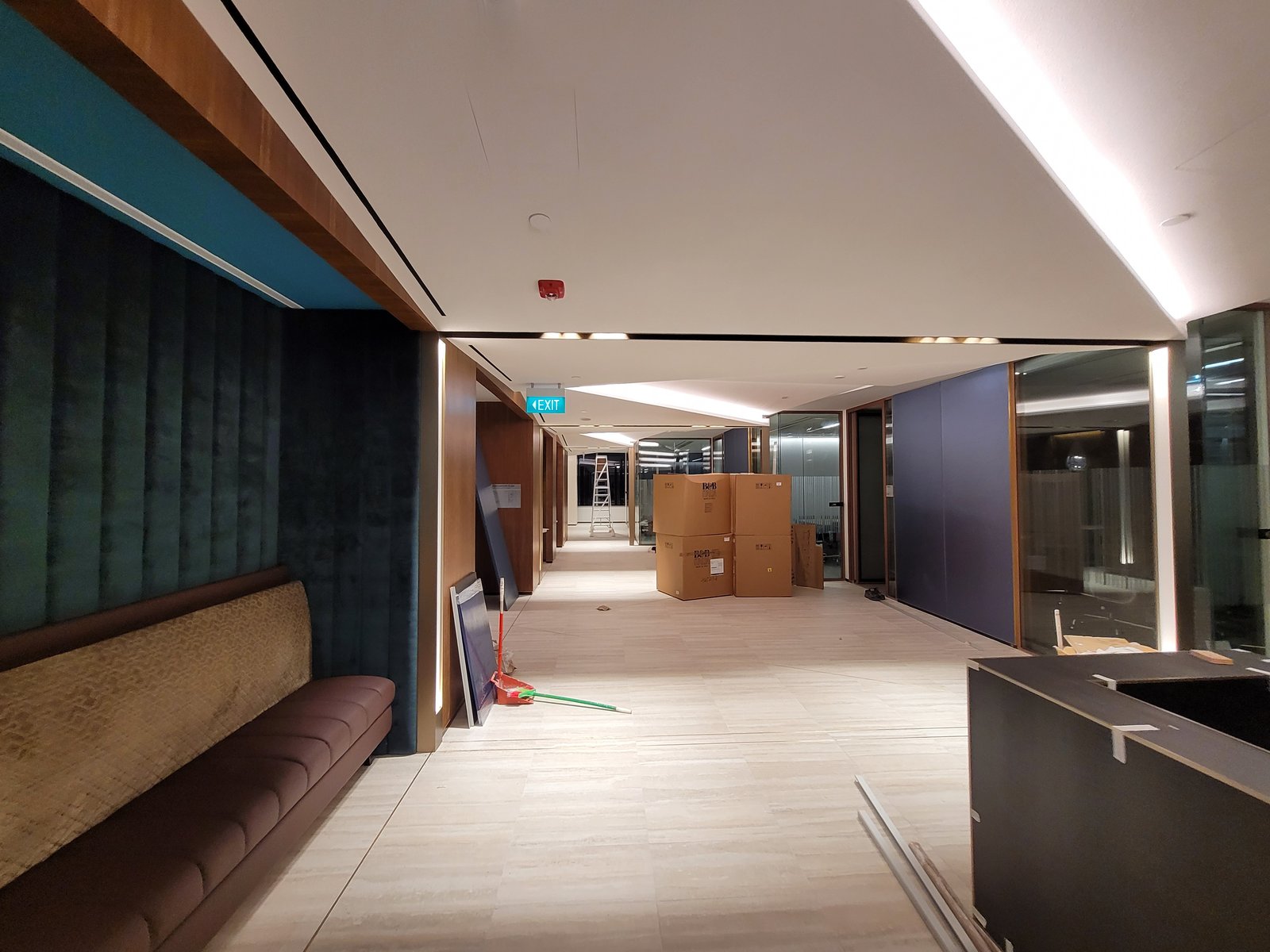
Removing everything the day before client inspection creates unnecessary pressure, because de-protection is when hidden scratches, adhesive residue, dust, small defects and hardware adjustments finally surface. It is far safer to plan a controlled sequence, and to make sure final cleaning uses products suited to lacquer, metal, natural stone, glass coatings and timber finishes. The last cleaning operation should not undo months of careful installation.
Write Protection Into the Method Statement
For larger projects, the furniture installation method statement can state which protection materials are used, when protection is applied, which areas are covered, who maintains it, when it may be removed, how inspection access is handled and how damage is reported. That creates clear expectations before work begins. A mock-up room is also the right place to test the protection method itself — whether the proposed covering fits, damages the finish, blocks ventilation, removes easily and survives ongoing construction — before the same approach is repeated across hundreds of rooms.
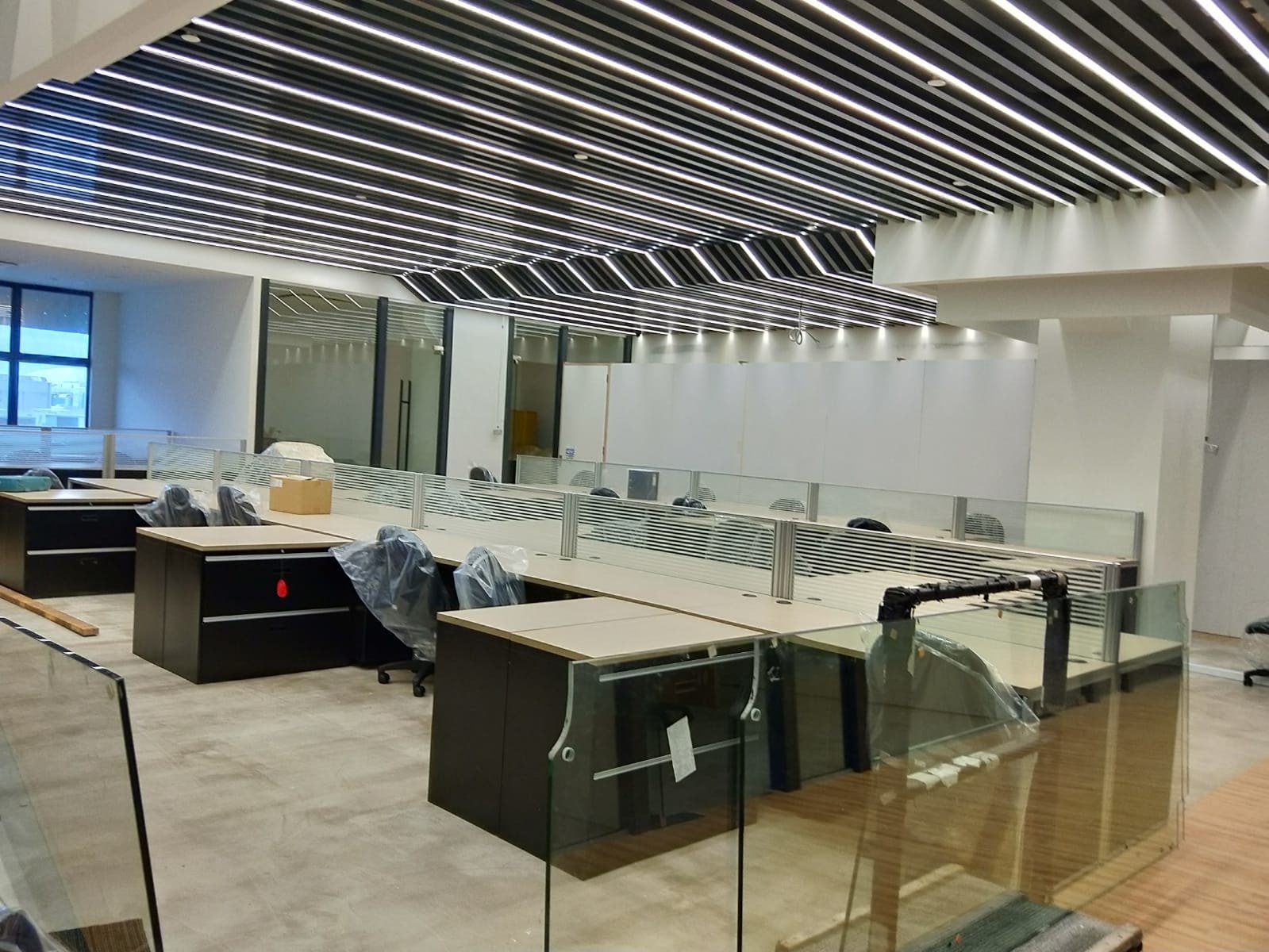
Hotels benefit most, because guestroom furniture is often installed while M&E, bathroom works, ceilings, decoration and commissioning continue, and may stay protected for a significant period before opening. A room-by-room status — installed, protected, snagged, rectified, de-protected, final cleaned, handed over — keeps that visible. Luxury residences have fewer rooms but higher per-item value, where one damaged bespoke veneer panel can be very difficult to reproduce exactly. Commercial fit-outs face the opposite problem: IT, signage, AV, cleaning, furniture and operations teams arriving at once near opening, with built-in counters becoming convenient temporary surfaces.
How Rongda Pacific Supports FF&E Protection and Handover
Depending on project requirements, Rongda Pacific Pte Ltd can support imported furniture receiving, condition inspection, room and unit allocation, FF&E installation, post-installation inspection, furniture protection coordination, stone protection, glass and aluminium protection, photographic condition records, snagging, defect tracking, local carpentry rectification, selected spray-paint rectification coordination, stone rectification coordination, hardware adjustment, Builder’s Works making good, de-protection, final inspection and handover support. For overseas manufacturers, that means a Singapore-side team that keeps managing the furniture after installation instead of treating the job as complete the moment the item is fixed in place.
Frequently Asked Questions
When should imported furniture be protected after installation?
Ideally immediately after installation, initial inspection and condition recording — particularly where other construction activities are still continuing in or above the room.
Can the same protection material be used on every finish?
No. Lacquer, veneer, metal, glass and stone can have different requirements, and protection should suit the specific finish rather than whatever is most convenient.
Should factory protective film stay on until handover?
Not automatically. Some films should be removed within a manufacturer’s recommended period, especially where prolonged heat, sunlight or humidity could affect removal.
Does stone still need protection if it is hard and durable?
Yes. Stone can still suffer scratches, chips and edge damage, particularly around corners, cut-outs and thin profiles where a surface sheet offers little help.
Why photograph completed furniture before covering it?
Photographs establish the condition immediately after installation, which supports later defect tracking and makes responsibility much easier to assess.
When should furniture protection be removed?
After major surrounding works are substantially complete, as part of a controlled de-protection, inspection, rectification and final-cleaning sequence rather than all at once.
More in FF&E Installation
 Rectifying FF&E in a Hotel That Has Already Opened: Room Nights, Housekeeping Access and the Remove-and-Return Cycle
 How Many Spares Should an Imported FF&E Package Carry? A Risk-Based Alternative to the 2% Line
 Large Residential Development FF&E in Singapore: Unit-by-Unit Handover, Defect Patterns and a Liability Period in Occupied Homes