
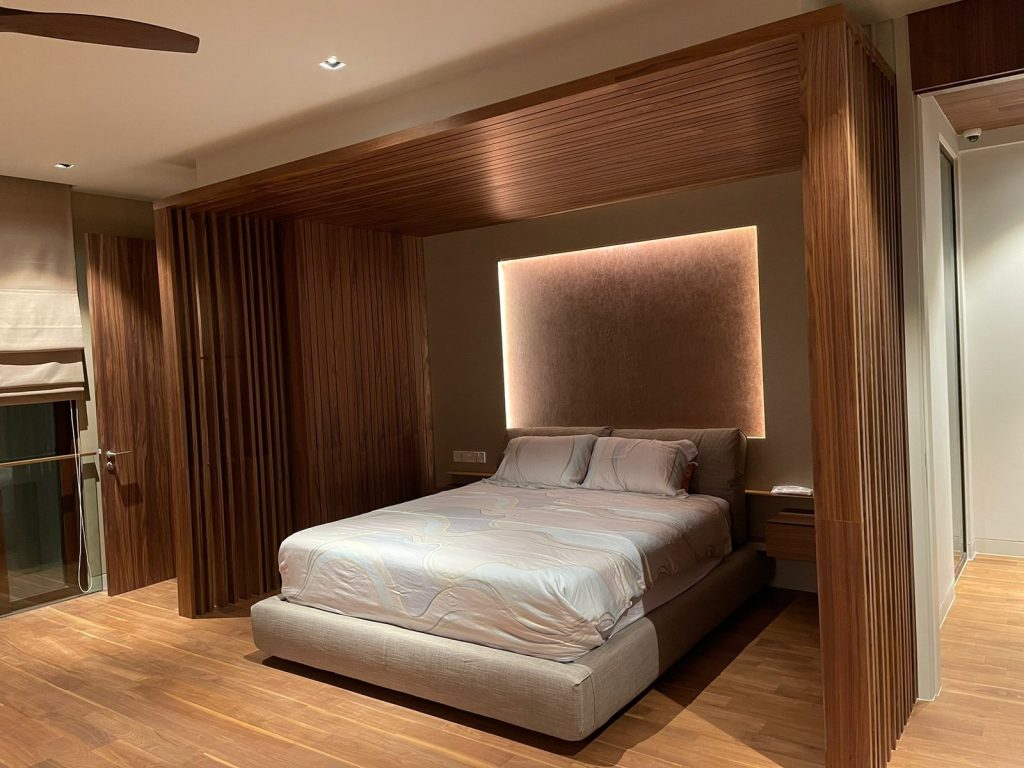
A typical hotel guestroom may contain a wardrobe, headboard, bedside tables, desk, TV panel, minibar cabinet, vanity, mirror, loose chair, integrated lighting and stone components. Individually none is unusually complicated. The challenge is the number of trades that must complete their work in the correct order — and if one activity happens too early, another trade may have to dismantle completed work later.
Related service: FF&E installation services in Singapore.
A wardrobe needs power for integrated lighting; a vanity needs plumbing verified before the stone top; a TV panel depends on power, data and wall backing; a minibar needs ventilation and clearance; a mirror follows the final vanity position. For large hotel and serviced-apartment projects, successful FF&E delivery depends heavily on installation sequencing. The objective is simple: do the right work in the right room at the right time.
Why Sequencing Matters More on Repetitive Projects
A hotel may have 200, 300 or more guestrooms and a serviced-apartment development many repeated unit types. If a wrong sequence is used in the first room and copied across 100 rooms, the cost of rectification grows quickly — cabinets installed before electrical testing, stone fabricated before cabinet levelling, mirrors installed before wall repairs, loose furniture arriving before dusty Builder’s Works are finished, protective film removed before other trades leave. A minor error in one mock-up room is manageable; the same error across several floors becomes a major programme problem.
Start With a Room Completion Sequence
Instead of asking each trade when it wants to work, define the intended room-completion path. The exact order depends on the design, but the room should follow one controlled sequence.
Fixed Furniture Leads; Loose Furniture Follows
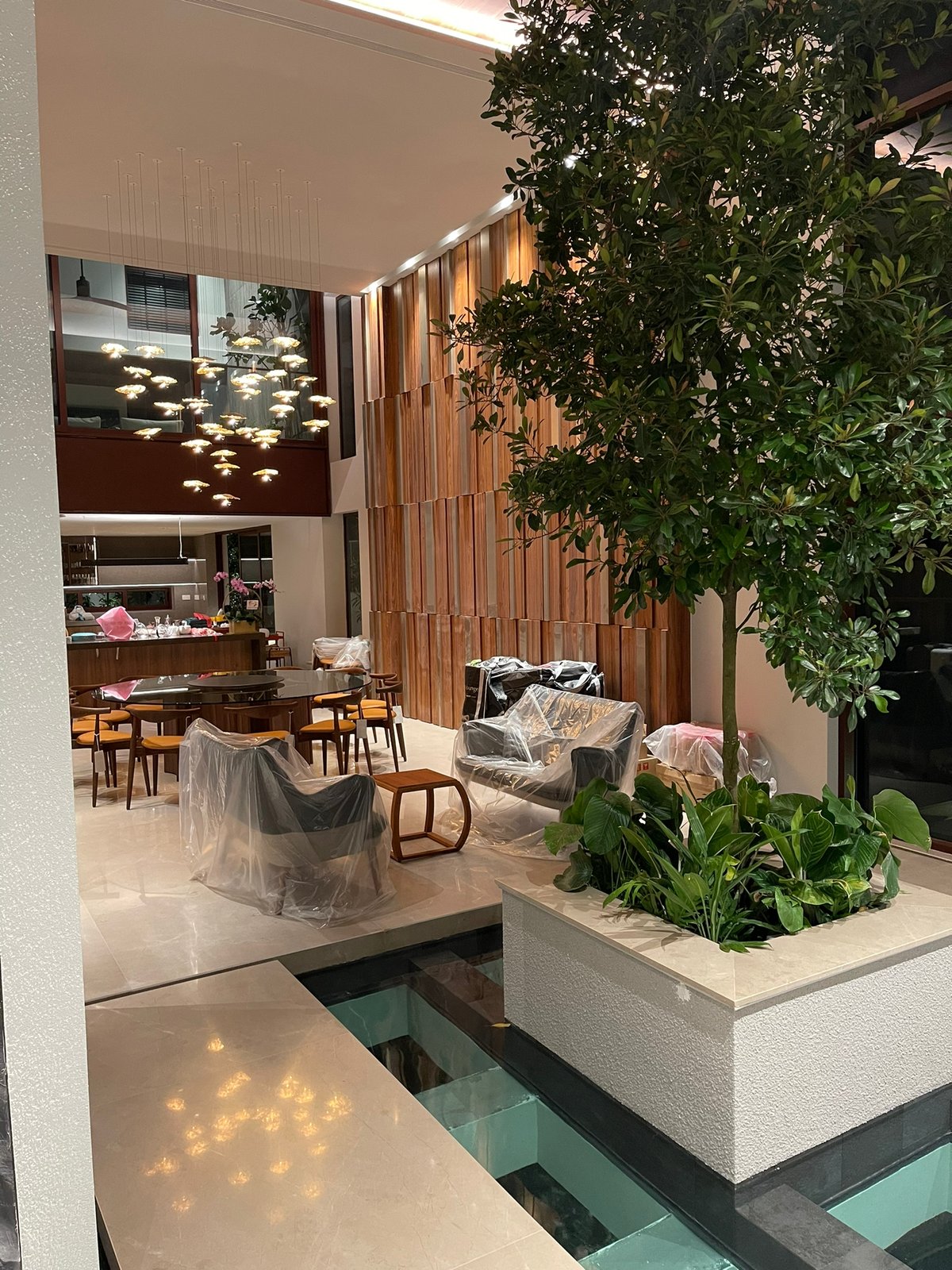
A common issue is delivering loose furniture too early — beds, chairs and side tables occupy valuable working space while fixed carpentry, stone or electrical work is still underway, increasing double handling, damage risk, dust exposure, congestion and cleaning. Where conditions allow, complete the fixed FF&E first and bring in loose FF&E closer to final room completion. This keeps the installation zone clearer and reduces unnecessary movement.
M&E, Stone, Glass and Wall Works in the Right Order
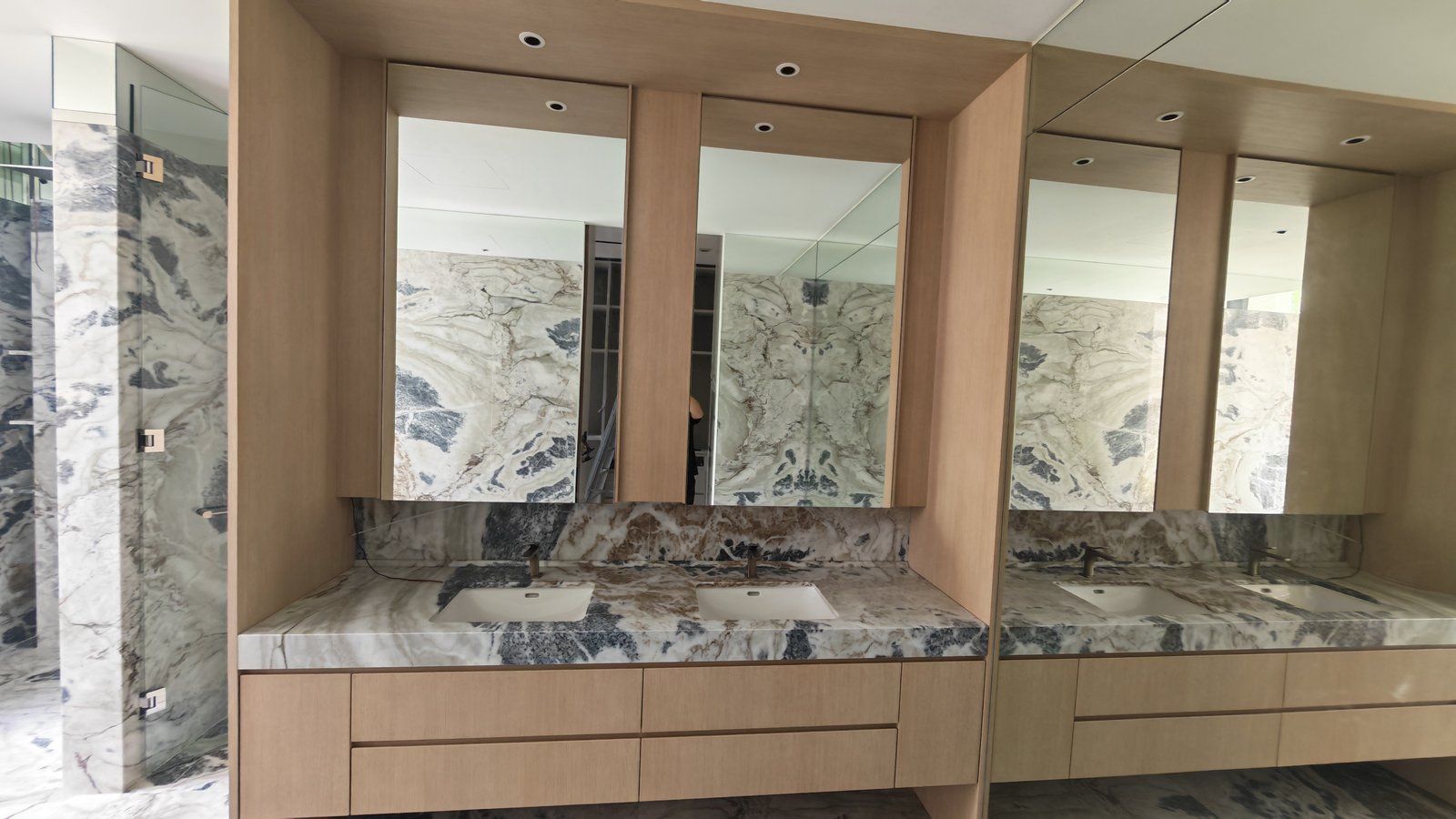
Imported furniture may cover power points, data outlets, LED cabling, plumbing and access panels. Confirm critical service positions before full-height cabinetry hides them — a small M&E error found after installation can mean dismantling, re-drilling and making good. For vanity tops, counters and minibars, final stone dimensions should reflect the actual installed condition: the cabinetry should be installed, levelled, aligned and fixed before final stone templating. Stone is far less forgiving than timber — a few millimetres of cabinet adjustment is simple; a few millimetres of stone error is not.
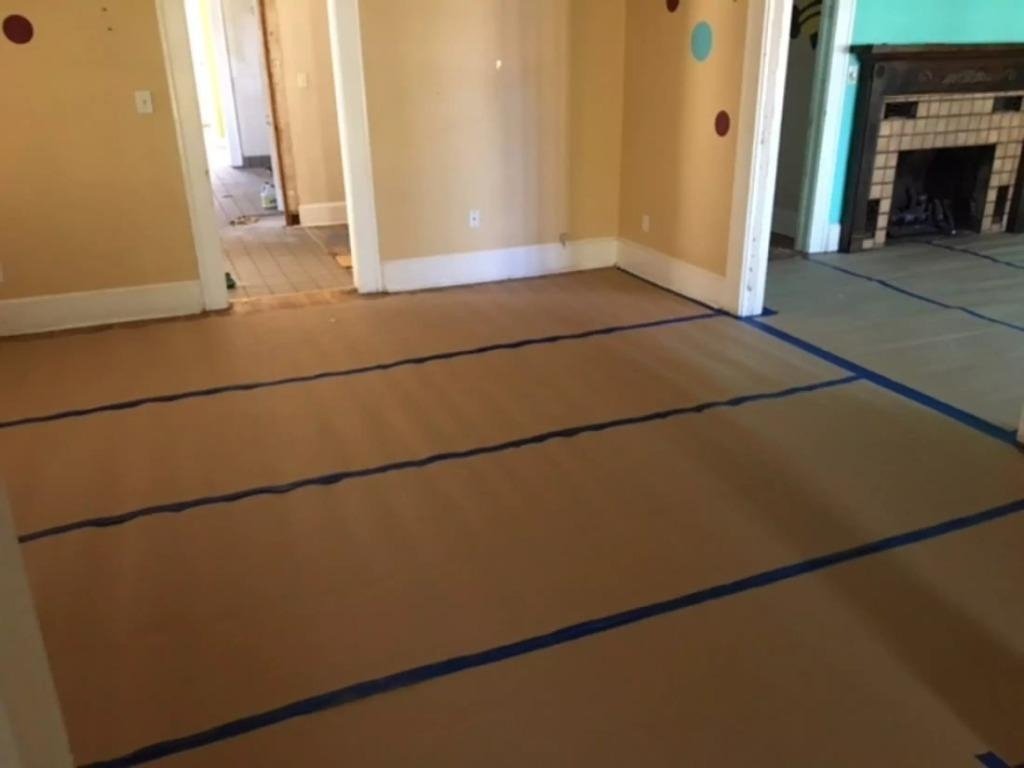
Glass and mirrors are vulnerable to scratches, chips, impact and dust, so they are usually best installed after surrounding heavy works. Wall repairs and painting should finish before premium furniture is fully exposed, and floor protection should follow the room-completion sequence — remaining through high-risk movement stages, then removed at the correct time for final inspection and cleaning.
Room Release and Staged Warehouse Delivery
Not every room on a floor is ready at the same time — some still have wet works, M&E issues, wall defects or ceiling access. Delivering furniture into these rooms simply because the floor is “open” creates problems. A room-release system (Room 0801 — released for FF&E; Room 0802 — hold: plumbing) lets the installation team and warehouse focus only on rooms genuinely ready.
Once rooms are released, the warehouse prepares corresponding furniture sets — correct room packages, required hardware, relevant stone or glass, and loose furniture at the appropriate stage — connecting site readiness → warehouse picking → delivery → installation. Before a room package leaves the warehouse, the team should confirm the set is complete: a missing door, shelf, glass or bag of hardware can be more efficiently resolved before mobilising the full crew, especially where lift booking is limited or the hotel remains operational.
Manage Trade Stacking, Protection and Rolling Snagging
On fast-track projects several trades may want the same room at once. Some overlap is possible; too much causes congestion, damage, rework and responsibility disputes. The room sequence should define which trades can safely overlap and which need exclusive access. After the installer leaves, completed furniture should stay protected — other trades often return for air-conditioning, electrical testing, painting, curtains and cleaning — and its condition recorded before the room is handed to the next trade.
Before declaring a room ready for formal snagging, the installation team should run its own self-check — wardrobe door gaps and LED, TV-panel alignment and cable access, vanity alignment, stone and plumbing interface, loose-FF&E quantity, surface and location. Snagging should follow behind installation as a rolling system (install Level 10, self-check Level 9, formal snag Level 8, rectify Level 7). If the same defect appears across 15 rooms it is no longer a snag — it is a process problem, and the factory packing, installation method, drawing, hardware setup or site preparation should be corrected. Every completed room can improve the next.
Consistency, Serviced Apartments and Live Refurbishment
Guests move between rooms and expect the same quality, so door gaps, furniture position, lighting effect, stone joints, hardware alignment, mirror position and silicone should be consistent, benchmarked against an approved mock-up. Serviced apartments add kitchen cabinetry, appliances and plumbing — more interfaces than a hotel guestroom — making unit-by-unit sequencing especially useful. And when a hotel stays partially operational, the sequence must also consider guest areas, noise restrictions, lift access, housekeeping, working hours and room release back to operations. Every day of delay affects the operator, which makes predictable room-completion sequencing especially valuable.
A Practical Hotel FF&E Installation Workflow
How Rongda Pacific Supports Hospitality FF&E Projects
Depending on project requirements, Rongda Pacific Pte Ltd can support imported-furniture receiving coordination, warehouse inventory management, room-based sorting, staged delivery, room-release coordination, imported furniture and full-height wardrobe installation, vanity and stone coordination, glass and mirror coordination, integrated-lighting interfaces, Builder’s Works, local furniture modification, making good, room-by-room snagging, defect rectification, replacement-part installation and final handover support — translating factory production into a controlled hospitality installation programme.
Frequently Asked Questions
Why is FF&E installation sequencing important for hotels?
Hotels contain many repeated rooms and multiple trade interfaces. Correct sequencing reduces rework, congestion, damage and room-completion delays.
Should loose furniture be delivered before fixed carpentry is complete?
Usually only when the sequence and space allow. Delivering loose FF&E too early increases congestion and damage risk.
When should stone be measured for hotel vanities?
For customised work, final stone dimensions can often be confirmed after cabinetry is installed, aligned and levelled.
Can rooms be released individually for furniture installation?
Yes. Room-by-room release helps ensure furniture only enters areas that are genuinely ready.
Can the warehouse deliver furniture according to room readiness?
Yes. For suitable projects, staged warehouse release can follow the site installation programme.
Can Rongda Pacific support refurbishment while the hotel remains operational?
Depending on scope and operating constraints, phased installation and room release can be coordinated with ongoing operations.
Can Rongda Pacific work with furniture manufactured in China?
Yes. We support Singapore-side receiving, delivery, installation, rectification and handover for furniture made in China and other overseas locations.
More in FF&E Installation
 Rectifying FF&E in a Hotel That Has Already Opened: Room Nights, Housekeeping Access and the Remove-and-Return Cycle
 How Many Spares Should an Imported FF&E Package Carry? A Risk-Based Alternative to the 2% Line
 Large Residential Development FF&E in Singapore: Unit-by-Unit Handover, Defect Patterns and a Liability Period in Occupied Homes