
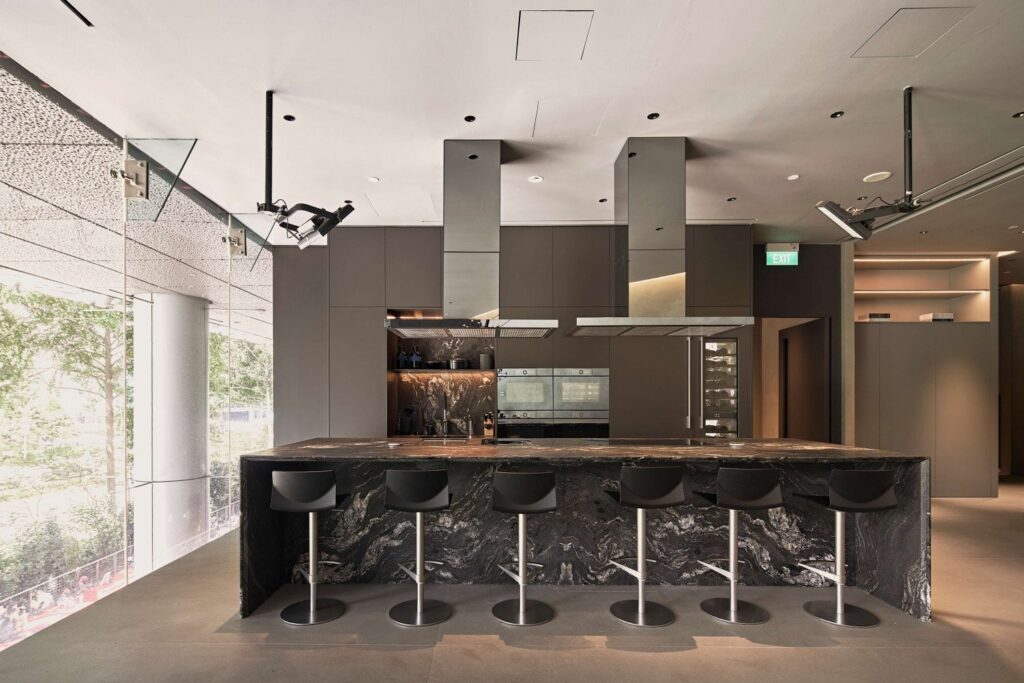
A scratched wardrobe door on a construction site is a line on a punch list. The same door, in a hotel that opened three months ago, is a room that cannot be sold tonight, a housekeeping schedule to negotiate, a solvent smell that cannot reach the corridor, and a guest in the room next door. The defect has not changed. Everything around it has.
Related service: FF&E installation services in Singapore.
Most FF&E contracts are written for the first version of that problem and then executed in the second. Pre-opening, the constraint is programme; post-opening, the constraint is the operation – and the two call for almost opposite methods. This article is about the second one: how furniture and joinery defects are actually rectified in a hotel that is already trading.

The Room Became Revenue
The single change that reorders every other decision is that the room now has a price. A rectification that takes a working day does not cost a working day of labour; it costs a room night, plus the housekeeping turnaround either side, plus whatever the operator has to do about the guest who was going to be in it.
That is why methods that were sensible before opening become unaffordable after it. Working in place over two or three visits was fine on a site; in an operating hotel it is three separate room blocks. Conversely, methods that looked like overkill before opening – removing a component and rectifying it off-site in one controlled cycle – become the cheap option, because they compress the time the room is unsellable.
What the operator is actually counting:
- Nights the room is out of inventory, not hours of labour on site
- Whether the work can be done inside a single housekeeping window
- Whether adjacent rooms have to be blocked as well
- Whether the corridor or lift lobby is affected during service hours
- How many separate visits the room needs before it can be sold again
- Whether the room comes back sellable or comes back needing a second visit
Remove, Rectify, Return
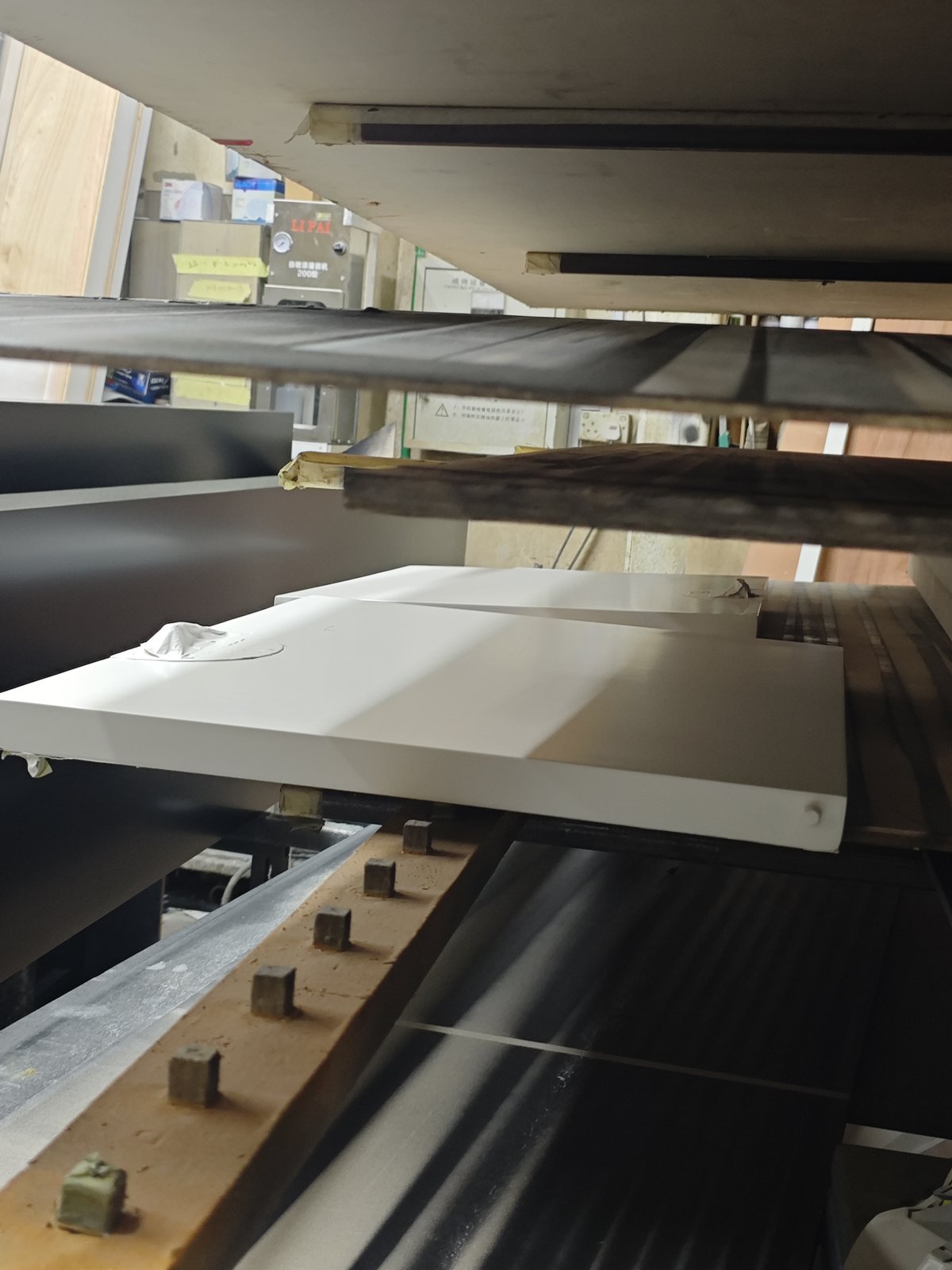
For most finish defects on a removable component, the efficient route in an operating hotel is not to repair it in the room. It is to take it out, replace it temporarily if the room has to keep trading, rectify it properly in a workshop, and bring it back.
The reason this works is that it moves the slow, smelly, dusty part of the job out of the building entirely. The room is occupied by the works twice, briefly, instead of continuously for two days. Our guide to spray-paint rectification during installation and DLP covers the finishing work itself and when a full respray is the right answer rather than a touch-up.
Removability Is Worth Designing For
Whether that route is even available was decided long before the hotel opened, at the mock-up. A wardrobe front that can be lifted off its hinges is a forty-minute room visit. The same front, if it was site-scribed into a fixed surround, or if its neighbour has to come off first, or if the fixing is concealed behind a bonded panel, is a two-day job in an occupied room – and sometimes it is simply not economic to rectify at all.
What makes a component rectifiable in an operating hotel:
- Fronts, panels and shelves removable without disturbing adjoining items
- Accessible, reversible fixings rather than bonded or concealed permanent ones
- Components that repeat, so a spare or temporary front actually fits
- Finishes that can be matched locally against a retained reference
- Carcasses that stay in place and usable while the front is away
- Hardware in a series that is still available
This is exactly the kind of question a mock-up should be signed off against and usually is not – see our guides to design approval versus production release and mock-up rooms and sample units. Maintainability is the cheapest thing to design in and the most expensive to retrofit.
Access Is Granted by Housekeeping, Not by the Programme
On a construction site, access is a planning question. In a trading hotel it is an operational one, and the people who control it are housekeeping and the duty manager. Rooms become available on the day, not on a schedule agreed a fortnight earlier, and a full house means no access at all.
How access actually works post-opening:
- Rooms are released by housekeeping on the day, against occupancy
- Work usually has to fit a window between checkout and the next check-in
- High-occupancy periods may close access entirely for days at a time
- Lift and corridor use is restricted during guest movement hours
- Staff routes, service lifts and back-of-house access apply rather than the site entrance
- Contractor passes, escorts and sign-in are controlled by the operator
- Anything left in a corridor is a problem the moment a guest sees it
The practical consequence is that a post-opening rectification programme cannot be planned as a continuous run. It is planned as a queue that is released opportunistically, which makes the order of the queue – and the readiness to execute the moment a room frees up – matter more than the size of the crew. Our guide to hotel FF&E sequencing covers the pre-opening equivalent, where the logic is close to reversed.
Odour Is the Constraint Nobody Prices
Dust and noise are anticipated. Solvent odour is the one that generates complaints, because it travels further than either, lingers after the work is finished, and reaches rooms that were never part of the works via the corridor and the air handling.
It is also the single strongest argument for the remove-and-return method: a finish applied in a workshop produces no odour in the building at all. Where finishing genuinely has to happen in place, it needs containment, extraction, a curing window before the room is re-let, and usually an out-of-hours slot – which is a different job from the one that was quoted. The containment techniques themselves are covered in our guide to dust, noise and smell control for works in a live building.
First-Time-Right Beats Fast
Pre-opening, a second visit is an inconvenience. Post-opening it is a second room night, a second housekeeping turnaround and a second entry into a space somebody is paying for. The economics therefore invert: it is cheaper to spend longer preparing a rectification properly than to attempt it quickly and return.
What makes a rectification first-time-right:
- Correct classification at the first inspection, so the route does not change halfway
- The retained approved sample to match against, not a phone photograph
- The right component, hardware or coating already in hand before the room is booked out
- Inspection against the reference before the item goes back in the room
- One named party accountable for the item from report to closure
- A record good enough that a disputed item does not require a fresh site visit to investigate
A held spare is what converts most of these from a promise into a plan, which is why the spare schedule and the post-opening rectification method should be designed together – see our guide to spare parts strategy for imported FF&E.
What the Operator Needs on Record
An operating hotel has a maintenance function, a reporting channel and an asset register, and a rectification that does not connect to those three is difficult for them to manage. The records that matter post-opening are not the same ones a main contractor wanted at handover.
Per item, per room:
- Room and item reference matching the operator’s own asset register
- What was reported, by whom, and when
- How it was classified, and which route was taken
- Whether a held spare was consumed, and what remains
- Photographic condition before and after
- Whether the item is closed, monitored, or awaiting an overseas part
- What the root cause was, where the same defect has appeared in more than a few rooms
The last line is the one that saves real money at hotel scale. A hinge failing in eleven rooms is not eleven jobs; it is one purchasing decision. Our guides to after-sales and defect liability and asset tagging and handover records cover the reference conventions that make this traceable.
Where the Overseas Factory Still Comes In
Some items cannot be resolved here, and pretending otherwise wastes the room. A proprietary component with no local equivalent, a structural failure, a finish system that cannot be matched, a discontinued hardware series – these need the factory, and the useful discipline is identifying them quickly and batching them rather than raising them one at a time over months.
Between those and the items a local team can close within the week sits everything else, and how much falls into each group is set by the local capability that was contracted. Our guides to replacement parts and local rectification and the Singapore local execution layer set out what that scope normally covers.
How Rongda Pacific Works in a Trading Hotel
Rongda Pacific Pte Ltd attends operating hotels, serviced apartments and completed residential developments during and after the liability period. In practice that means working to the operator’s access rules rather than a construction programme, inspecting and classifying inside housekeeping windows, removing components for workshop rectification in our own spray facility, holding and drawing project spares, returning items inspected against the retained reference, and keeping a record per room that the operator’s maintenance team can use afterwards.
The objective is narrow and easy to measure: the room comes back into inventory the same day, and it does not need us again.
Frequently Asked Questions
How is rectification in an operating hotel different from during construction?
The cost changes from labour hours to room nights, and access moves from the programme to housekeeping. Methods invert as a result – working in place over several visits is cheap on a site and expensive in a trading hotel, while removing a component for workshop rectification becomes the efficient route.
Why remove components instead of repairing them in the room?
Because it moves the slow, dusty and odorous part of the work out of the building. The room is occupied by the works twice, briefly, instead of continuously – and a finish matched in controlled conditions against the approved sample is far more likely to be right first time.
Can the room stay sellable while the component is away?
Often yes, if a held spare or temporary front is available and the carcass stays in place. That is one of the main arguments for a properly targeted spare schedule rather than a blanket percentage.
What makes solvent odour such a problem?
It travels further than dust or noise, lingers after the work is done, and reaches rooms that were never part of the works through corridors and air handling. Workshop finishing avoids it entirely; in-place finishing needs containment, extraction and a curing window before the room is re-let.
How is access arranged?
Through the operator. Rooms are released by housekeeping on the day against occupancy, work usually has to fit between checkout and the next check-in, and high-occupancy periods can close access for days. The programme is a queue released opportunistically rather than a continuous run.
Which defects still have to go back to the overseas factory?
Proprietary components with no local equivalent, structural failures, finish systems that cannot be matched, and discontinued hardware series. The discipline is identifying them early and batching the orders rather than raising them singly over months.
What should be recorded for the operator?
Room and item reference against their own asset register, what was reported and when, the classification and route taken, spares consumed, before-and-after condition, closure status, and the root cause wherever the same defect has appeared in more than a few rooms.
Can this be arranged after the original installer has left?
Yes. We are frequently appointed to attend a completed property where the original supplier’s team has returned home, working from the existing handover records and the retained finish references where those exist.
More in FF&E Installation
 How Many Spares Should an Imported FF&E Package Carry? A Risk-Based Alternative to the 2% Line
 Large Residential Development FF&E in Singapore: Unit-by-Unit Handover, Defect Patterns and a Liability Period in Occupied Homes
 Design Approved Is Not Released for Production: The Gate That Stops a Repetitive FF&E Package Being Made Wrong at Scale