
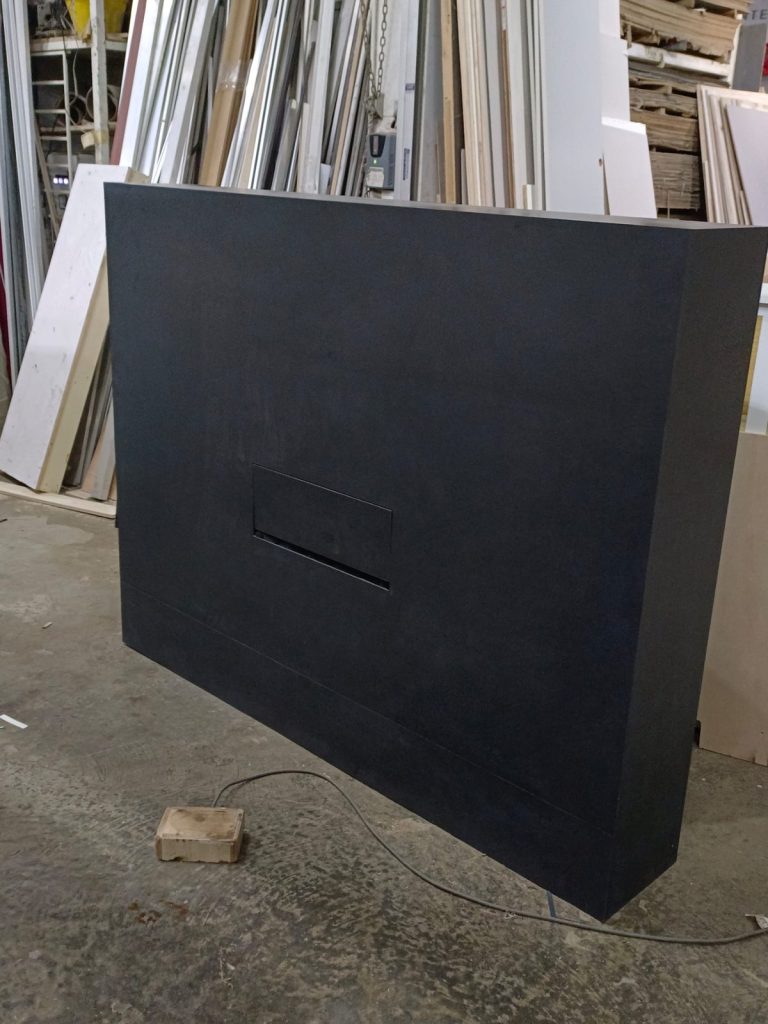
Imported furniture leaves the overseas factory in excellent condition, then passes through packing, container loading, sea freight, a Singapore warehouse, site delivery, installation, several other trades and finally handover. At any point along that chain a spray-painted or lacquered panel can pick up a scratch, an edge chip, corner damage, a surface mark or an uneven touch-up.
Related service: FF&E installation services in Singapore.
The traditional response is to report the defect, have the factory remanufacture the panel, wait for the shipment, clear customs, deliver to site and reinstall. For a large decorative panel or a specialised lacquer system that may genuinely be the right answer. But not every painted-furniture defect needs another international shipment. Where the coating, the damage and the required finish allow, local spray-paint rectification in Singapore is a real alternative — and at Rongda Pacific Pte Ltd it is supported by our own factory spray booth and professional spray-paint team. The principle is not to repair everything locally; it is to determine whether local rectification can achieve the required finish before defaulting to overseas replacement.
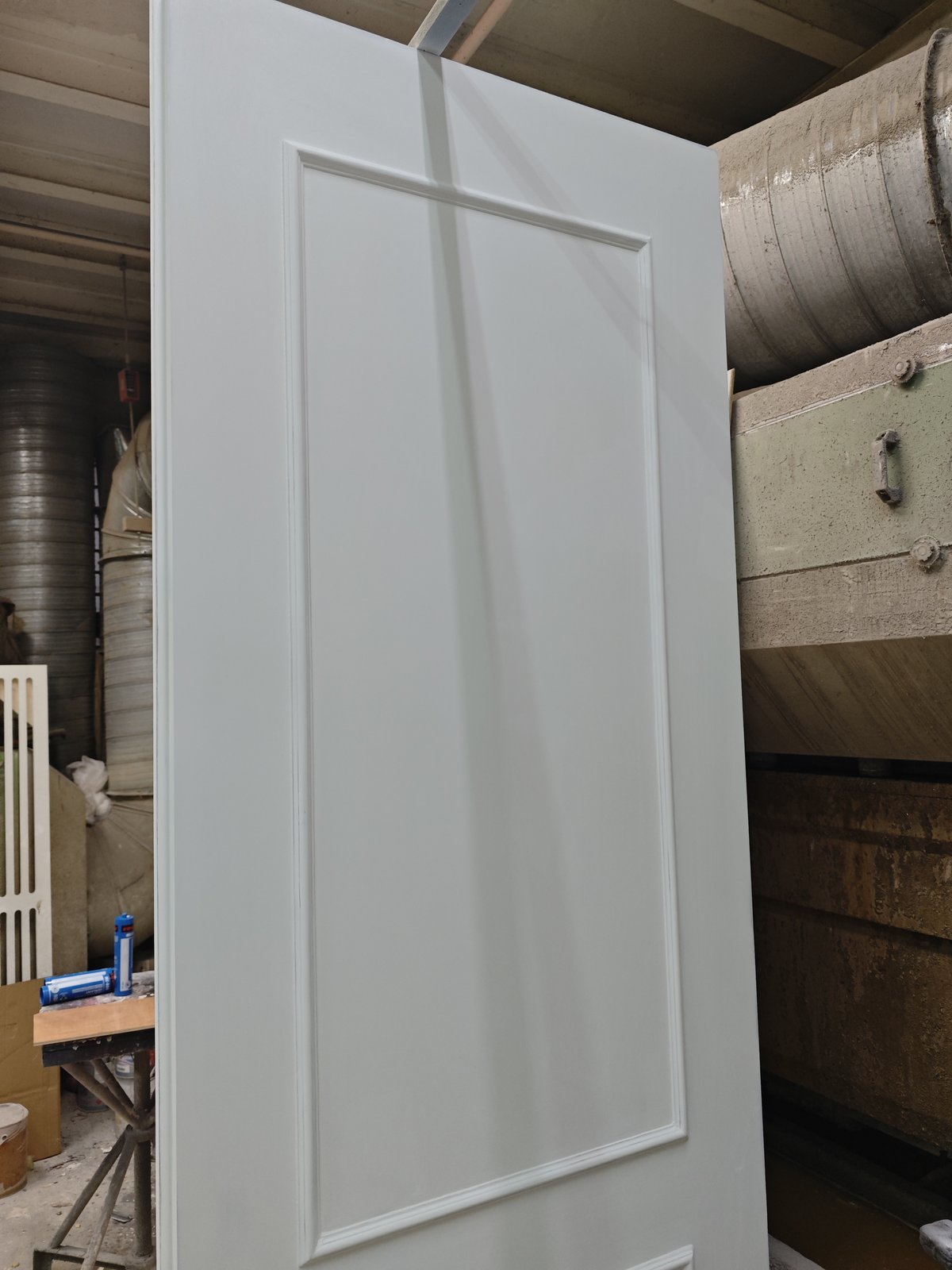
Painted Furniture Needs a Different Defect Strategy
A laminate panel is relatively predictable: given the correct code, a replacement can be fabricated from the same material. Spray-painted and lacquered furniture is more sensitive, because the final appearance depends on colour, gloss level, surface preparation, primer system, number of coats, spray technique, drying and final finishing. Two panels can share the same nominal colour reference and still look different if the coating systems or application conditions differ, which is why rectification here requires controlled assessment rather than a can of similar paint.
Spray-painted and lacquered finishes are common across luxury wardrobes, kitchen doors, vanity cabinets, TV feature walls, decorative wall panels, hotel furniture, reception counters, display cabinetry and high-end residential built-ins, in matt, satin, high-gloss, solid colour and custom-matched systems. They create a clean, premium appearance precisely because the surface is continuous — which is also exactly why defects on them are so visible.
Why small defects look larger on these finishes:
- High-gloss surfaces reflect windows, lighting and straight lines, so a scratch interrupts the reflection
- Matt surfaces reveal polishing marks, uneven sheen and localised touch-ups
- Side lighting and linear LED exaggerate anything that is not flat
- A repair acceptable under workshop light can look different under the room’s actual lighting
Do Not Reach for a Brush
One common mistake is a quick brush touch-up on a premium sprayed surface. The colour may be close, but the repaired area typically shows different texture, brush marks, different gloss and a visible repair boundary. In a concealed or low-visibility location that may be acceptable depending on project requirements; on a large wardrobe door under side lighting it rarely is. The repair method has to match the visual importance of the component.
Before deciding anything, the defect should be classified. A minor surface mark where the coating is intact is a different problem from a fine scratch through the topcoat, a deep scratch reaching primer or substrate, an edge chip, corner damage, colour variation without physical damage, gloss or sheen variation, or major structural damage such as a cracked, swollen or distorted panel. Each of those calls for a different response, and the decision between local rectification and factory replacement should weigh damage severity, panel size, how visible the location is, colour-matching feasibility, available original coating information, the required final quality, replacement lead time and project urgency.
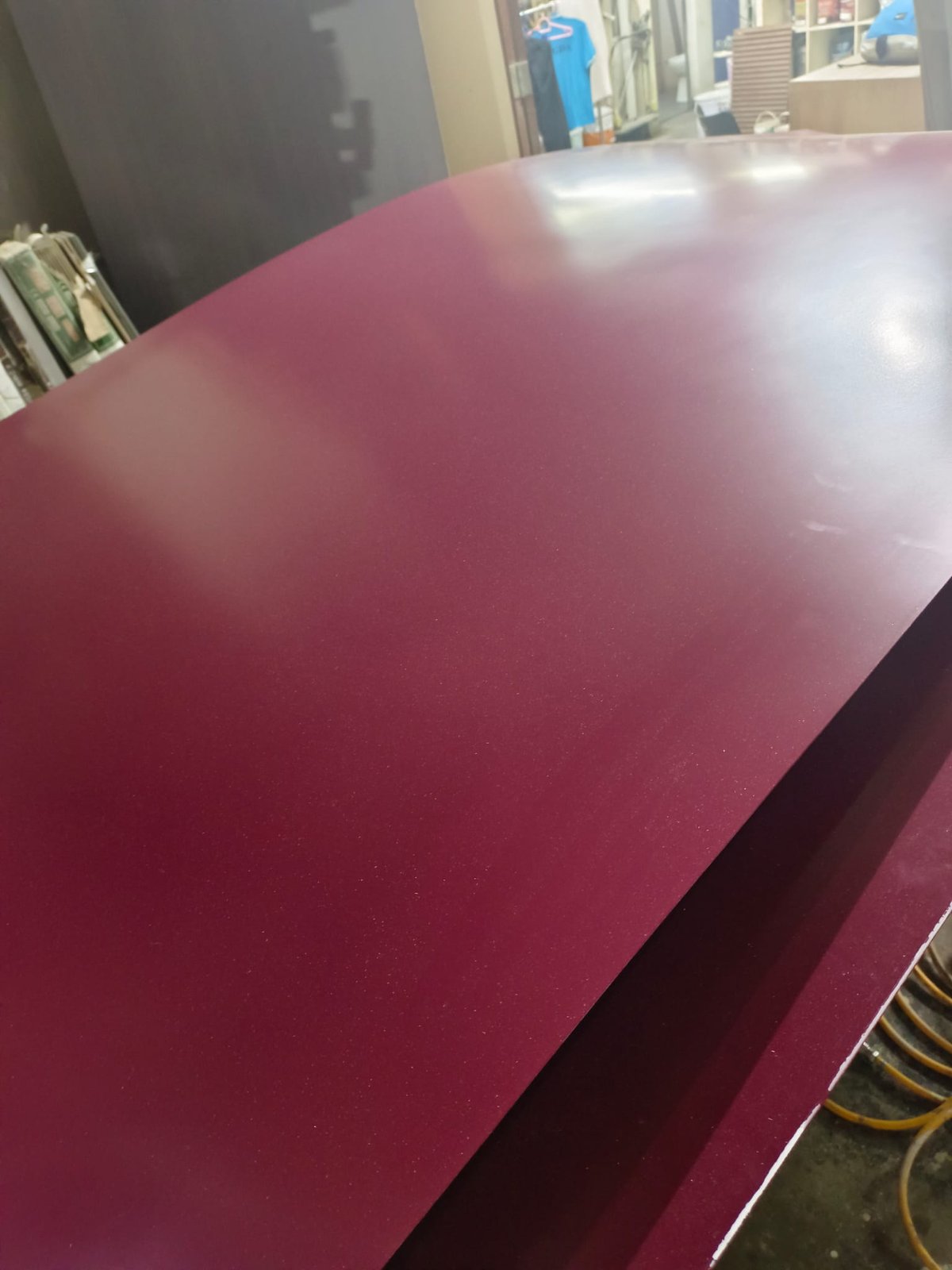
Removable Panels Are Far Easier to Rectify Properly
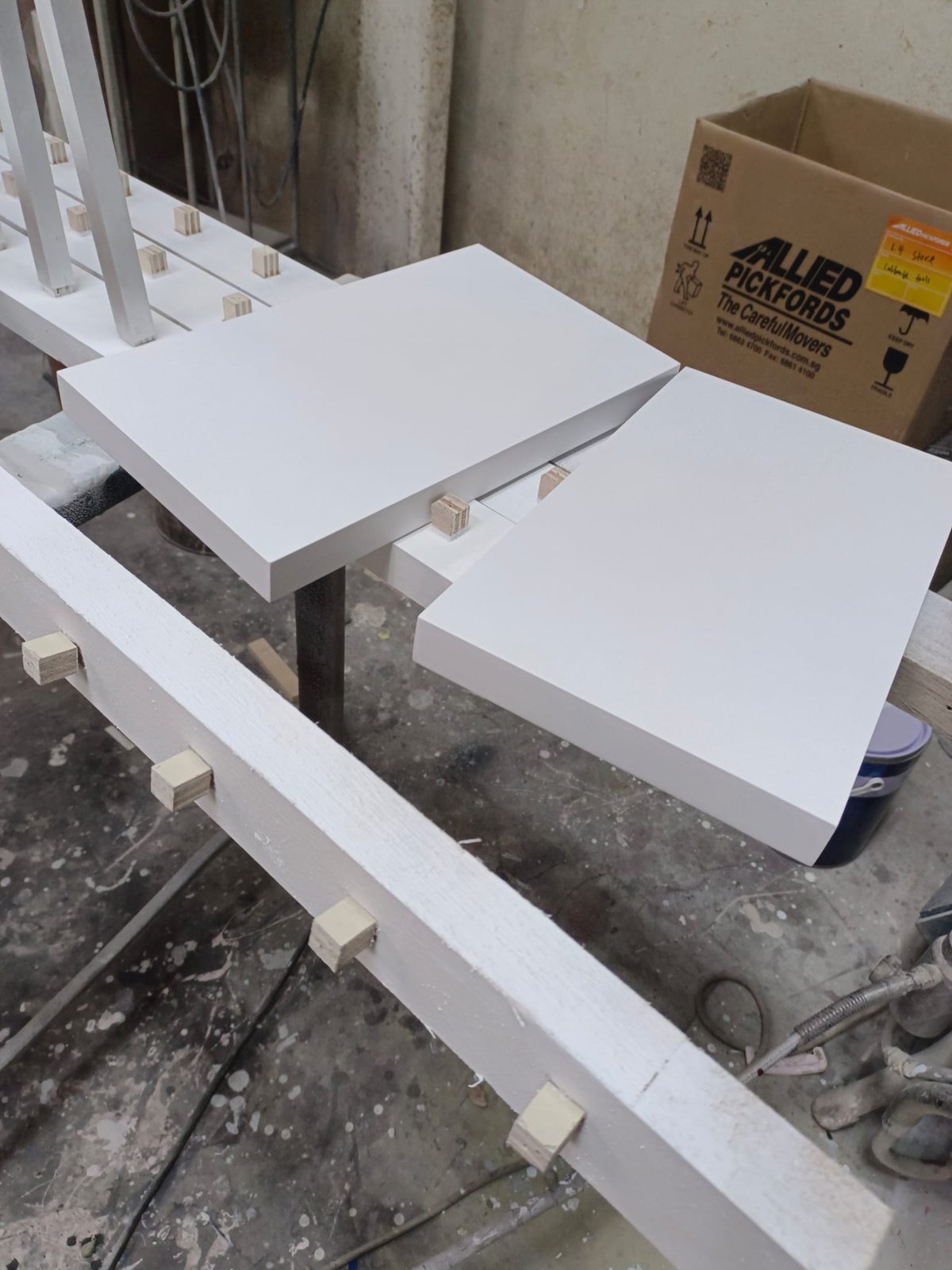
A wardrobe door that can be removed and taken to a controlled spray-paint environment is much easier to refinish well than a large fixed panel already installed beside marble, glass, timber flooring and finished walls. Workshop rectification allows proper control of dust, overspray, surface preparation, coating application and drying — which is one practical reason to design furniture with reasonable removability wherever the design permits.
It also matters who does the work. Where a Singapore installation partner has no spray-paint capability, a defect means finding an external subcontractor, transporting the panel elsewhere, re-explaining the finish, coordinating another schedule and managing another quality interface. With an in-house factory spray booth and a dedicated team, panel inspection, colour matching, surface preparation, sanding, priming, recoating, full-panel respraying and finishing inspection stay under one process — which is what makes the timeline predictable.
Why This Matters Most During DLP
During the Defects Liability Period the project has usually been handed over. The building may be occupied, the hotel operating, the office in use or the residence lived in — and a small furniture defect becomes operationally inconvenient rather than merely cosmetic. Waiting several weeks or months for an overseas replacement is often the wrong trade-off, particularly where the affected panel is removable, the defect is repairable, the colour can be matched appropriately and the furniture remains usable while the panel is away.
Speed alone is not the objective, though. A badly matched repair closes a defect administratively while creating a new visual problem, and on a premium project that is worse than waiting. The honest question is always whether local rectification can meet the agreed project standard: if it can, it is usually the faster and better route; if it cannot, replacement should still be recommended.
Colour Matching Is More Than a Colour Code
Useful reference information includes the original colour code, paint manufacturer, coating system, gloss level, an approved sample panel and factory finish data. Even with all of it, the installed panel may have shifted slightly through age, light exposure, cleaning or production batch variation, so the actual existing panel remains the most important reference in the room.
Two finishes sharing a nominal colour can still look different because of primer colour, coating thickness, spray pressure, spray distance, drying, surface texture and gloss — differences that become obvious on large flat panels. Gloss is frequently harder to match than colour: two white doors can be almost identical in hue while one reads as ten-percent matt and the other noticeably brighter, and side by side on the same wardrobe that difference is immediate. Final assessment therefore has to consider colour, gloss, texture and reflection together.
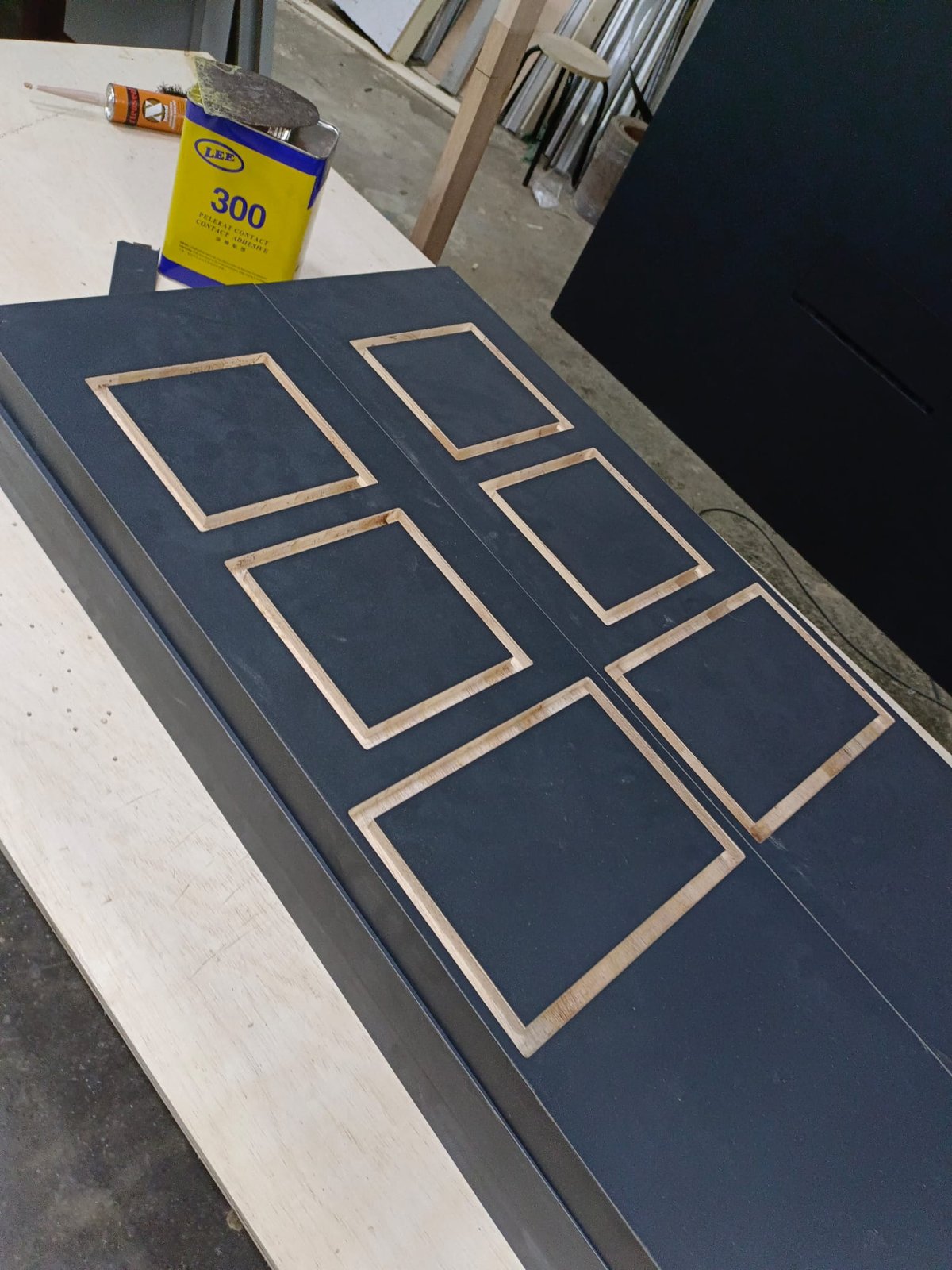
Sometimes the Whole Panel Should Be Resprayed
If a scratch sits in the middle of a large visible door, a small spot repair often leaves a visible blending area. Depending on the coating system it may be better to remove the panel, prepare the entire face, recoat it fully, reinstall and realign — producing a uniform result rather than a well-hidden patch that reveals itself under the wrong light.
Occasionally adjacent panels need considering too. If one door of a four-door wardrobe is resprayed and returns looking slightly fresher than the other three, the difference can be noticeable. For highly sensitive finishes the technical team may need to compare all adjacent panels before deciding whether one panel, several panels or the complete visible set requires treatment — a judgement that is project-specific and should never be made simply to enlarge the work.
Preparation Determines the Result
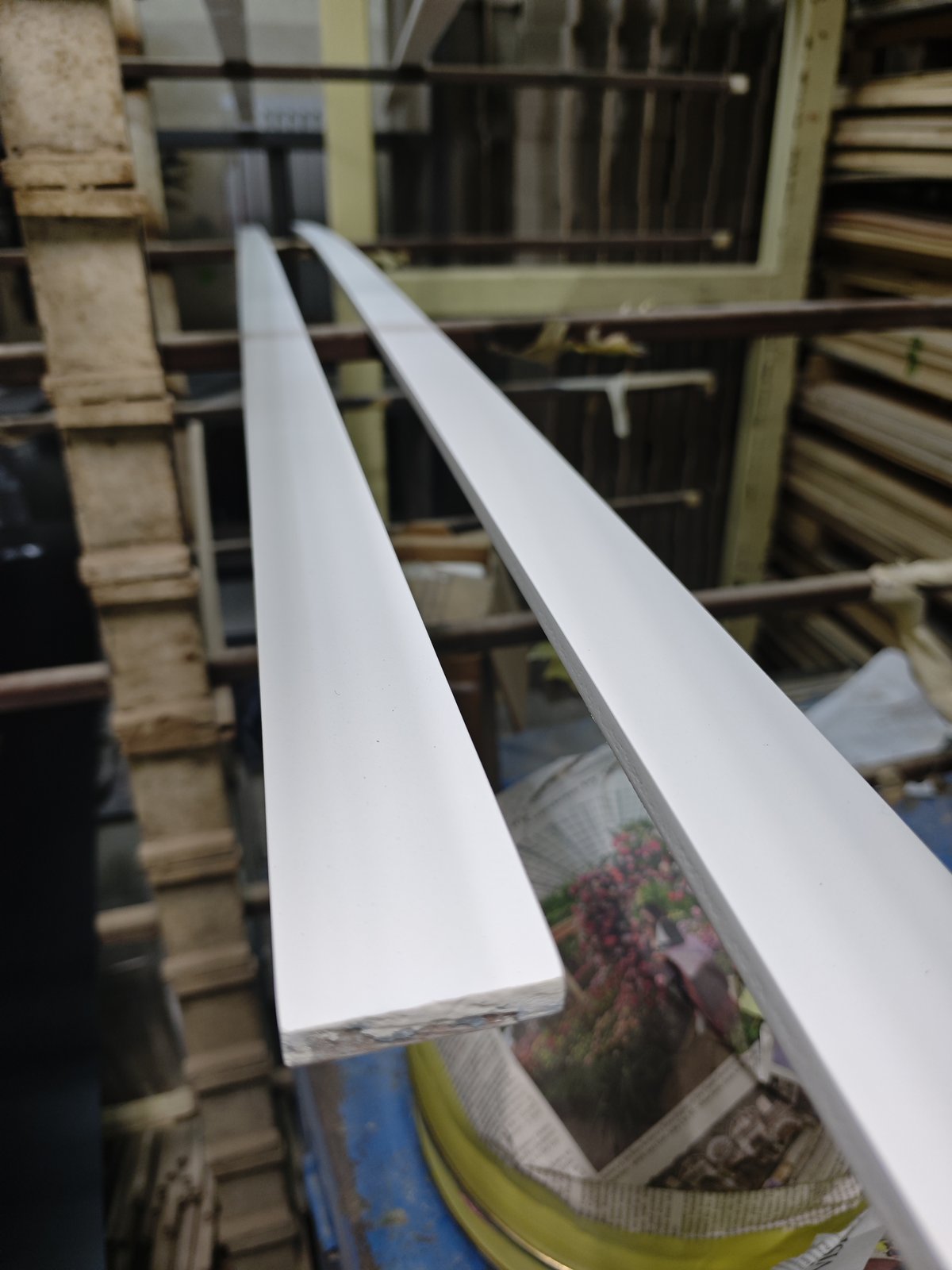
Spray painting tends to be judged on the final coat, but the preparation underneath matters just as much. Depending on the defect, that may involve cleaning, degreasing, sanding, filling, edge repair, primer application and dust removal. If a dent or chip is not properly repaired before top coating, the new paint simply makes the defect more visible than it was.
Edge damage is a different problem from a surface scratch. An edge chip may expose MDF, plywood, fibreboard or the primer layer, and if the substrate itself is damaged the edge profile has to be rebuilt before repainting — matching adjacent furniture in shape, radius, sharpness and thickness, because paint alone cannot correct a physically damaged edge. Corners need the same discipline: luxury painted panels usually have very controlled corners, and a corner rebuilt with too much filler reads as too rounded, too thick or visibly different from the doors beside it.
Moisture damage is where respraying stops being appropriate at all. If a board has swollen, warped, delaminated or deteriorated structurally through water exposure, repainting the surface will not solve it. The source of moisture, the substrate condition and whether the panel remains dimensionally stable all need establishing first, and a damaged substrate may simply need replacement.
Repeated Paint Defects Have Mechanical Causes
One chipped panel may be accidental. Thirty identical doors chipping in the same place is a system problem, and the project should investigate door clearances, impact points, hardware, coating adhesion, edge design and manufacturing process rather than repairing each panel in turn and waiting for the next one.
Door alignment is a frequent culprit. A painted door may rub repeatedly because hinges are misadjusted, the cabinet is not level, the adjacent door gap is too tight or a handle conflicts with another surface. Respraying without correcting the mechanical cause simply resets the clock, which is why after-sales rectification should inspect finish, hardware, alignment and usage together rather than treating the paint as an isolated problem.
Remove, Label and Track Every Panel
A defect can get worse during removal if the panel is not handled properly. Before taking anything off, the team should photograph the alignment, mark hinge positions, protect surrounding finishes, label the panel and record the room and furniture reference. On a hotel or development with hundreds of similar doors, a panel should never enter the workshop labelled only “wardrobe door” — a reference such as Tower A / L18 / 18-03 / WD01 / Door 3 is what prevents a visually similar panel being returned to the wrong unit.
Reinstallation is part of the repair, not an afterthought. Coating thickness changes are small but final installation should still verify door gap, edge clearance, hardware, handle alignment and push-to-open function, with hinge adjustment as required. A repair is not complete because the paint looks good in the workshop; it is complete when the panel fits and aligns correctly back in its original position. Final inspection should also happen under the real site lighting — a panel that matches perfectly under workshop lights can reveal a difference beside a large window or a linear LED, and the surrounding existing panels are the only comparison standard that matters.
When the Original Factory Is Still the Right Answer
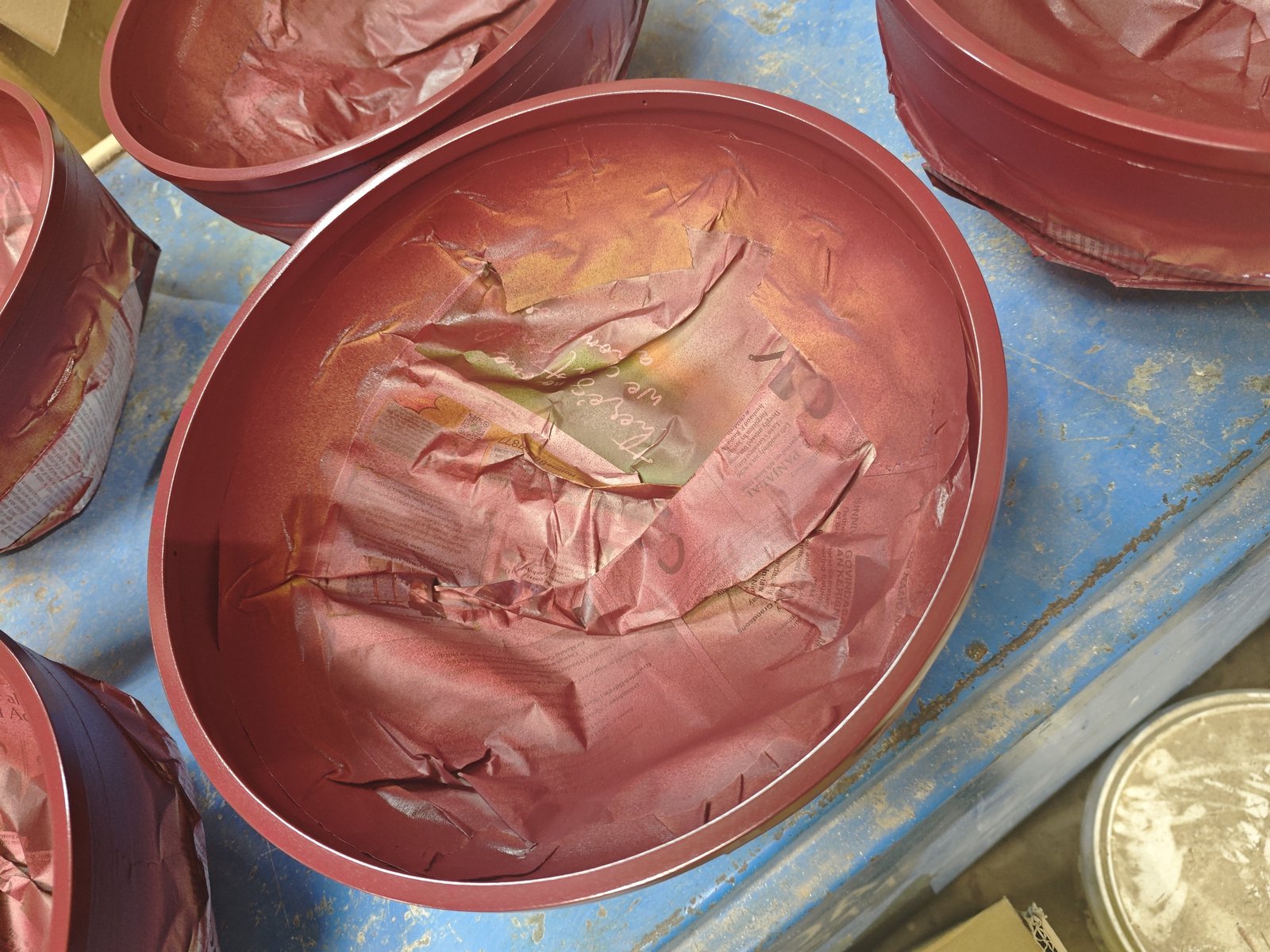
Local capability does not remove the need for overseas factories. Factory replacement usually remains preferable for proprietary coatings, metallic paints, complex multi-layer effects, decorative artwork, unique mouldings, structural damage and finishes that cannot be acceptably matched. A strong Singapore team should know when not to repair — and when replacement is the right call, the local team can supply the factory with detailed photographs, dimensions, panel orientation, furniture codes, colour references, defect descriptions and quantities so the replacement is produced correctly first time. Local rectification and factory replacement are not competing strategies; they are two tools for different defects.
The value is not limited to DLP either. Damage discovered during warehouse receiving, unpacking or site delivery can also be assessed for local rectification before the room programme reaches that area, which can prevent a defect from becoming an installation delay. Packages showing crushed corners, punctures, water exposure or heavy impact are worth inspecting early for exactly that reason.
Set the Standard Before You Need It
On large projects, a mock-up or approved sample should define acceptable colour, gloss, texture and edge finish, giving later local rectification a clear benchmark. Without one, “the colour looks slightly different” becomes a subjective argument nobody can settle. Retaining a physical approved colour sample is far more reliable during DLP than phone photographs, laptop screens or memory, and it costs almost nothing to keep.
The repair itself should also be traceable: defect report, panel identification, removal, workshop assessment, repair method, colour check, respray, quality control, reinstallation, final site check and closure. That is what connects a local workshop to the project’s DLP system rather than leaving it as a series of disconnected favours.
How Rongda Pacific Supports Spray-Painted Imported Furniture
Depending on project requirements, Rongda Pacific Pte Ltd can support imported furniture receiving, damage inspection, defect documentation, DLP furniture inspection, spray-painted furniture assessment, colour-matching review, panel removal, local workshop rectification through our own factory spray booth and professional spray-paint team, surface preparation, selected full-panel respraying, reinstallation, door and hardware alignment, local carpentry adjustment, overseas replacement coordination where needed, snagging and DLP closure. For overseas manufacturers, that means a painted-furniture defect in Singapore does not automatically become an international shipping problem.
Frequently Asked Questions
Can scratched imported lacquer furniture be repaired in Singapore?
Some scratches, chips and surface defects are suitable for local rectification, depending on the coating, damage severity, colour-matching feasibility and required final quality.
Does Rongda Pacific have its own spray-paint capability?
Yes. Selected furniture rectification can be carried out through our own factory spray booth and professional spray-paint team, subject to project requirements and finish suitability.
Can furniture be repaired locally during the DLP?
Yes. For suitable defects, local repair during the Defects Liability Period can avoid waiting for overseas replacement production and shipping.
Is spot touch-up suitable for luxury furniture?
Not always. On large visible lacquer surfaces a spot repair can leave noticeable colour, texture or gloss differences, and full-panel refinishing may give a better result.
Can any colour be matched exactly?
An exact match cannot always be guaranteed. The result depends on the original coating, ageing, gloss, surface texture and the reference information available.
When is factory replacement the better option?
For major structural damage, proprietary coating systems, metallic or multi-layer decorative effects, and any finish that cannot be acceptably matched locally.
More in Custom Carpentry & Joinery
 How to Maintain Spray-Painted Furniture in Singapore: Cleaning, Wear Zones and What Belongs in the Handover Record
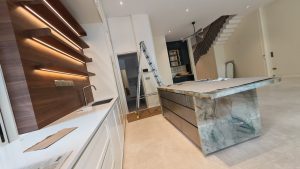 Integrated Appliances & Imported Cabinetry in Singapore: Why Fridges, Ovens and Dishwashers Need Early FF&E Coordination
 Reception Counters and Feature Joinery Installation for Corporate Offices