

When a hotel opens, an office welcomes its staff or a retail space begins trading, visitors see the finished interior. Behind it is one of the project’s final and most coordination-intensive stages: FF&E installation.
Related service: commercial fit-out in Singapore.
FF&E stands for Furniture, Fixtures and Equipment. It includes the movable and installed items that complete an interior after the main building and fit-out works are substantially finished. Successful delivery requires careful logistics, skilled installation, finish protection and close coordination with designers, main contractors and suppliers. Rongda Pacific provides FF&E receiving, delivery.

What Does FF&E Include?
FF&E can include a wide range of interior components, each requiring appropriate handling, positioning and installation so that the completed space follows the approved drawings and design intent.
- Reception counters, office workstations and meeting-room furniture
- Hotel room furniture, wardrobes and built-in cabinetry
- Retail display fixtures, shelving and loose furniture
- Vanity units, pantry cabinets, wall panels and feature elements
- Mirrors, artwork, signage and selected decorative items
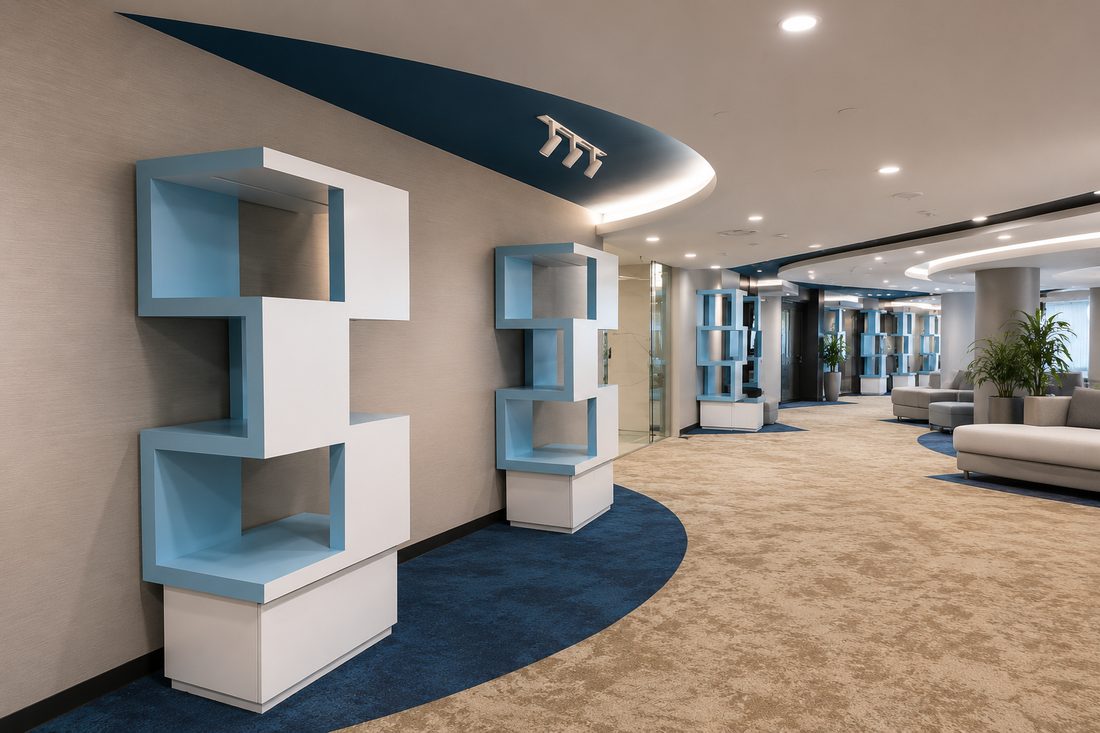
FF&E Is More Than Furniture Assembly
Professional FF&E installation involves more than assembling individual items. It requires an organised workflow from receiving through to final handover.
- Receiving imported goods and checking delivery quantities
- Temporary storage and structured inventory records
- Delivery scheduling and floor-by-floor distribution
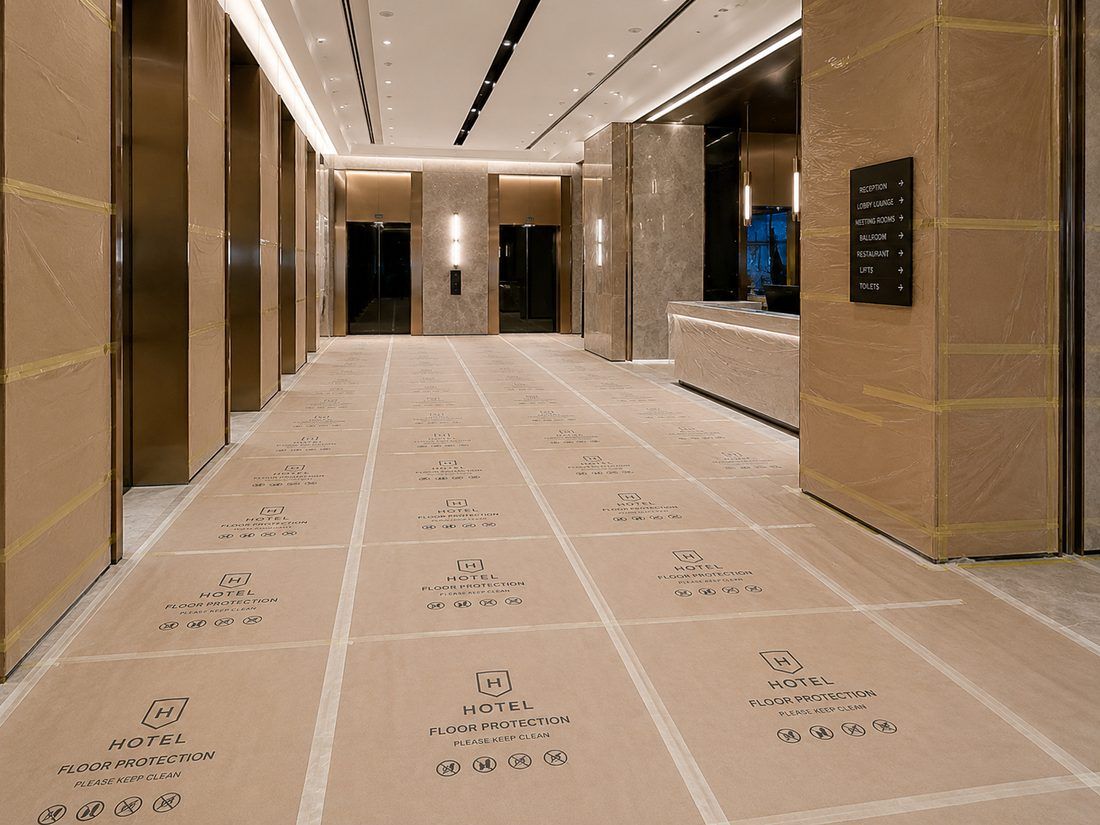
- Protection of completed floors, walls, doors and common areas
- Installation sequencing and coordination with other trades
- Defect reporting, adjustment and final handover
Why Logistics Planning Matters
Depending on the project scale, an FF&E package may involve hundreds or thousands of individually packed and labelled components arriving from multiple suppliers. Logistics planning helps ensure that the correct items reach the correct rooms in the required installation sequence.
Poorly coordinated deliveries may lead to:
- Missing components or incomplete furniture sets
- Goods arriving before rooms are ready
- Damage caused by repeated movement or unsuitable storage
- Congested loading areas, corridors or work zones
- Installation delays and additional handling costs
Before delivery, the project team should confirm the packing list, room references, unloading arrangements, lift access, storage space, installation sequence and required completion date.
Receiving and Inventory Checks
The receiving scope should be agreed before the shipment arrives. Depending on the project, it may include carton counting, visible-damage checks, packing-list verification, selected unpacking or a more detailed inspection.
Photographic records, carton references and item-status reports help the supplier, contractor and client identify shortages or visible damage before the goods are distributed to site. Visual receiving checks may not identify concealed manufacturing defects that only become apparent during assembly or use.
Protecting Completed Finishes
FF&E installation often takes place after floors, ceilings, wall finishes and common areas have already been completed. Appropriate protection and handling procedures are therefore essential.
Depending on the site, protection may be required for stone, vinyl or timber flooring, glass partitions, painted walls, lift interiors, corridors, doors, reception counters and other finished surfaces. Protection should be coordinated with the main contractor and maintained throughout the installation period.
The Last Mile: Warehouse to Room
After weeks of manufacturing and shipping, the final move from warehouse to site is often the highest-risk stage of the whole journey: narrow service lifts, completed finishes, tight delivery windows and fragile, high-value pieces all meet on a single day.
Before the truck leaves, confirm site readiness, the delivery date and time, the lift reservation and loading-bay booking, building-management approval, protection along the route and the installation sequence. Singapore sites add their own constraints — basement loading bays with height limits, small unloading zones, busy commercial buildings and occupied residential developments — and the handling plan should be built around them rather than discovered at the kerb.
Premium finishes such as natural veneer, high-gloss lacquer, sintered stone, quartz and tempered glass need the right equipment as well as care:
- Protective blankets and corner guards
- Heavy-duty trolleys
- Glass suction lifters
- Stone lifting frames
- Anti-slip straps
Delivering everything at once creates congestion and multiplies handling. A typical order follows installation priority: base cabinetry, tall cabinets, wall panels, stone templates and then worktops, glass, loose furniture and, last, accessories.
Installation Sequencing
Installation should follow the agreed room-readiness and delivery programme. Large items may need to be delivered before access routes are restricted, while delicate finishes and loose furniture may be installed later to reduce the risk of damage.
A clear sequence also helps avoid repeated movement of goods and allows other trades to complete electrical connections, plumbing, stonework, glazing, AV systems or final testing at the appropriate stage.
Coordination With Other Trades
Commercial fit-out sites often involve designers, architects, developers, main contractors, electrical and M&E contractors, stone fabricators, glazing contractors, AV specialists and furniture suppliers working within the same programme.
Before installation begins, the team should confirm room access, approved drawings, service locations, fixing requirements, completed builder’s Works and any dependencies involving other trades. Regulated electrical, plumbing, fire-protection or specialist work should be carried out or certified by the appropriately qualified parties where required.
Typical Projects We Support
- Hotels and serviced apartments
- Corporate offices and showrooms
- Retail stores and commercial spaces
- Educational and institutional interiors
- Sales galleries and selected public-sector environments, subject to project requirements
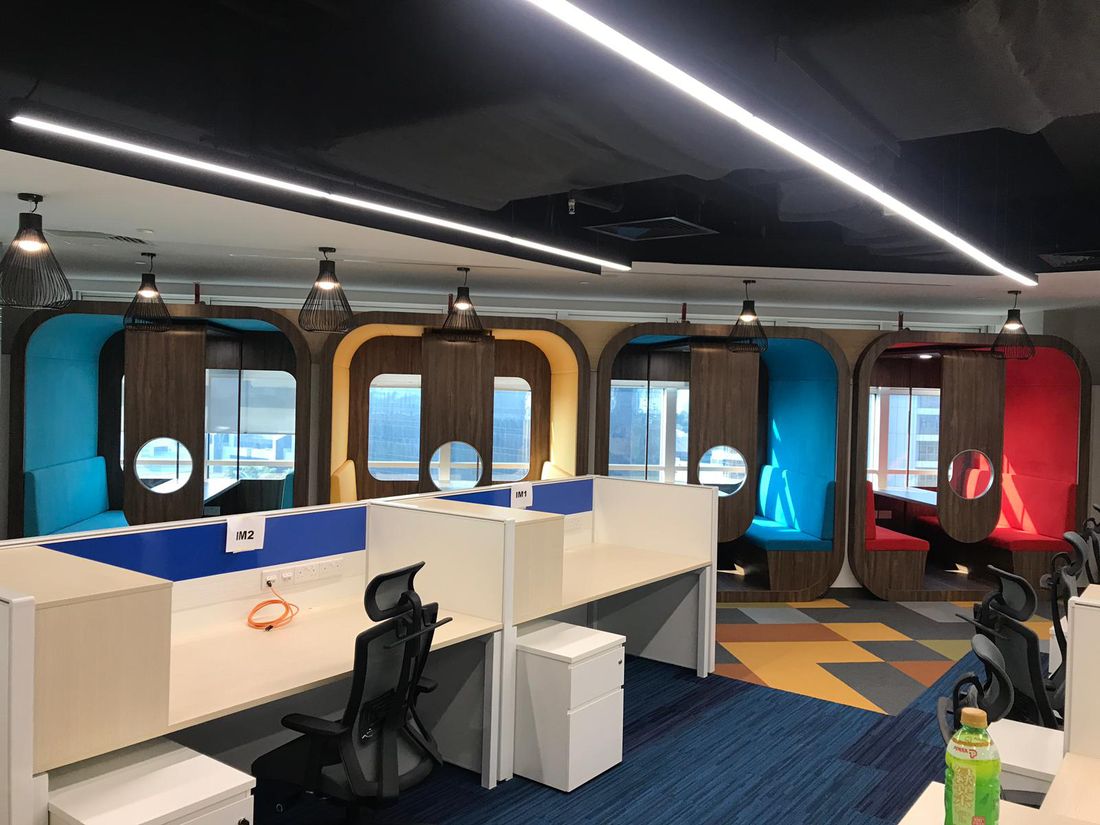
Our FF&E Workflow
A typical project may include:
- Pre-delivery planning — review drawings, packing lists, access and programme.
- Receiving — record quantities, packaging condition and visible damage.
- Storage and inventory — organise goods by level, room or installation sequence.
- Site distribution — coordinate unloading, lifts and floor-by-floor delivery.
- Installation — assemble, position, level, align and secure items as required.
- Defect reporting — record shortages, damage and installation issues.
- Handover — complete agreed adjustments, cleaning and final inspection.
Why Work With Rongda Pacific?
Rongda Pacific provides coordinated support across receiving, storage, site delivery, installation and defect follow-up. Our team works with the project’s designers, contractors and suppliers to plan access, protect completed finishes and keep installation activities aligned with the handover programme.
The final scope depends on the project requirements and may include warehouse receiving, inventory records, temporary storage, delivery coordination, furniture installation, selected builder’s Works coordination, stone-installation support and final adjustment.
Frequently Asked Questions
What is the difference between furniture installation and FF&E installation?
Furniture installation usually focuses on assembling and positioning individual items. FF&E installation may also include receiving, inventory checks, storage, delivery scheduling, room-by-room distribution, trade coordination, defect reporting and handover.
Can Rongda Pacific install imported furniture?
Yes. We install imported furniture for commercial, hospitality and selected residential projects. Before quotation, we review the drawings, packing list, hardware information, delivery programme and installation requirements.
Do you provide warehouse storage before installation?
Temporary storage may be provided as part of an agreed receiving and installation scope, subject to space availability, storage duration, item type and handling requirements.
Do you inspect every item during receiving?
The inspection level depends on the agreed scope. It may range from carton-count and visible-damage checks to selected unpacking or a more detailed inspection. Concealed manufacturing defects may only become visible during installation.
Do you coordinate with main contractors and interior designers?
Yes. We coordinate with the relevant project parties on access, room readiness, approved drawings, installation sequencing, protection and handover requirements.
Request an FF&E Installation Assessment
For an initial review, please provide:
- Project address and site-access information
- Furniture schedule, packing list or quantity summary
- Installation drawings and hardware details
- Expected delivery and required completion dates
- Receiving, storage and inspection requirements
- Site photographs and current room status
Send your furniture schedule, drawings and project programme to [email protected] for an itemised quotation, or visit www.rongdacontractor.com.
More in Commercial Fit-Out
 SCDF Fire-Safety Coordination for Interior Fit-Outs in Singapore: Submission Routes, Interfaces and the Furniture Nobody Checked
 Main Contractor, ID Contractor or Direct Trades: Choosing a Procurement Route for a Singapore Fit-Out
 How Long Does an Office Renovation Take in Singapore? Programme, Critical Path and the Last Ten Per Cent