
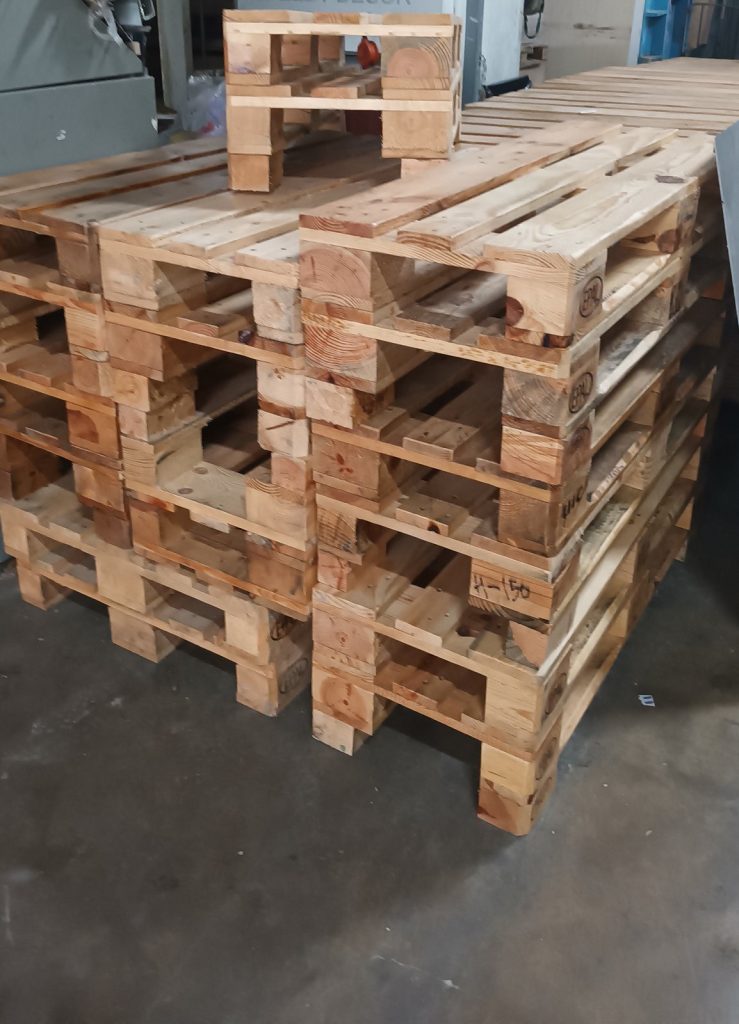
A container arrives at the warehouse, the seal is opened, and hundreds of cartons, crates and furniture components are inside. It can feel as though the difficult logistics are already behind you: the vessel has arrived, customs clearance is done, the shipment has reached Singapore. In fact, one of the most important control points on the whole project is about to begin.
Related service: FF&E installation services in Singapore.
Container unloading and warehouse receiving is the first physical opportunity to establish what actually arrived, what is missing, what is damaged, which room each item belongs to and what can realistically be installed. If receiving is handled loosely, problems that could have been identified on day one are instead discovered weeks later, when an installer opens a carton on site and the room programme is already committed. At Rongda Pacific Pte Ltd, Singapore warehouse receiving is treated as part of the FF&E installation process rather than as a logistics handover.
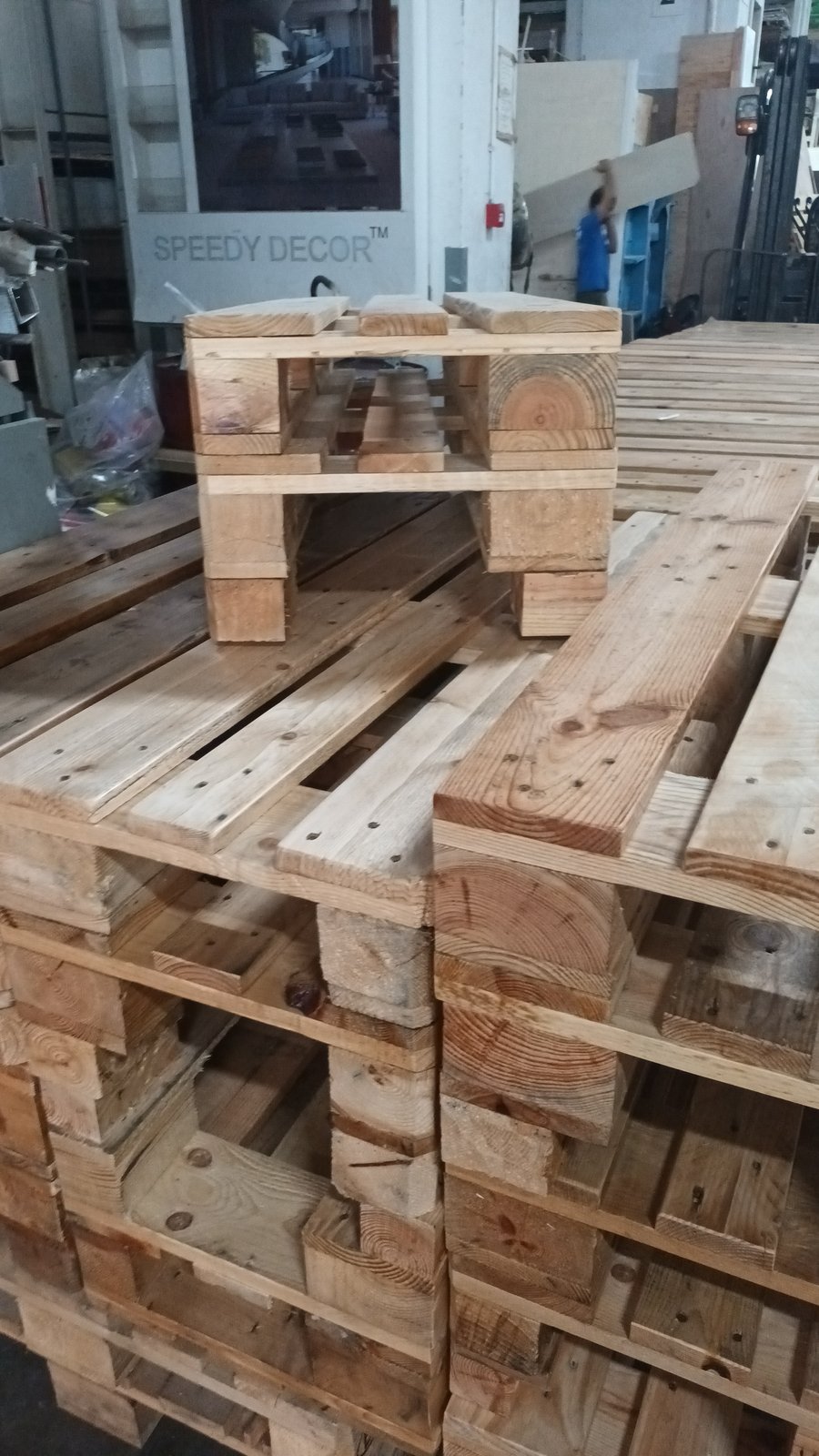
Furniture De-Stuffing Is Not Ordinary Unloading
De-stuffing is simply the process of unloading cargo from a shipping container, but a furniture container is not a uniform palletised load. It may hold cartons, timber crates, pallets, loose furniture, flat-packed cabinetry, glass, mirrors, stone, hardware boxes, metal frames and oversized panels in one space, with very different sizes, weights, shapes, fragility and room allocations. The unloading sequence therefore needs planning rather than working from whatever is closest to the door.
Containers are usually packed for factory loading efficiency, weight distribution, product protection and shipment sequence — none of which necessarily matches the warehouse’s ideal storage order. Before unloading starts, the receiving team should have the packing list, container list, crate numbers, carton references and any floor or room references, so they know what should be inside before anything physically moves. Without that, de-stuffing degenerates into unload, put anywhere, move again, search later, and every extra movement adds labour, time and damage risk.
Photograph the Load Before the First Item Moves
The condition of the load immediately after opening is valuable evidence. Useful records include the container seal and number, the overall load condition, shifted crates, collapsed cartons, visible water staining, broken timber packing, damaged pallets and impact marks. Once everything is unloaded and rearranged, it becomes very difficult to establish whether damage occurred during sea freight, during container loading, during unloading or inside the warehouse.
A shifted load also needs to be approached carefully for safety reasons, not only for the sake of the furniture. Crates leaning, crushed cartons, broken restraints, displaced timber frames and loose components all signal that the cargo moved in transit, and a heavy crate resting against the container door can become a hazard the moment it is opened without control.
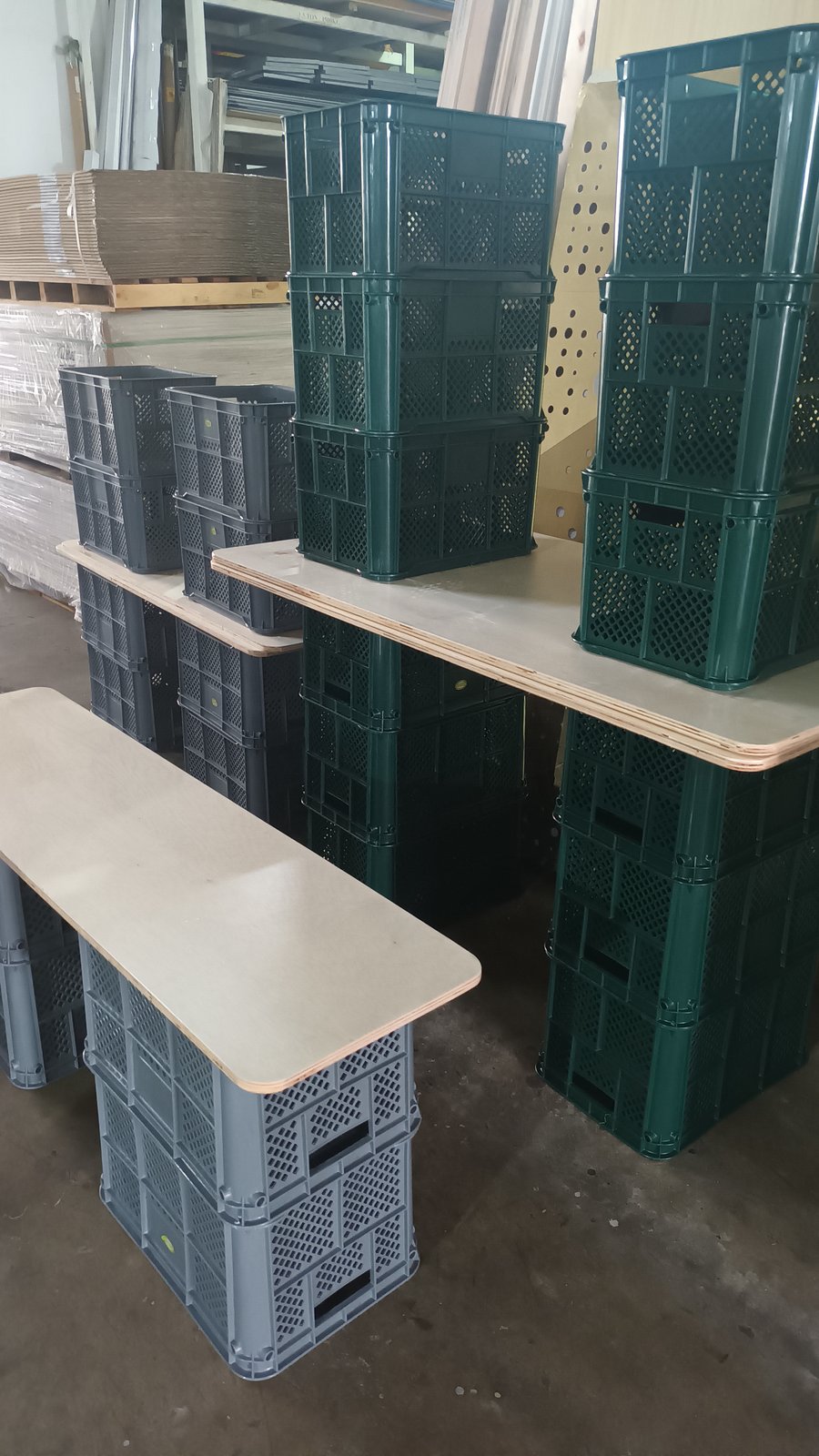
Know Which Items Are Heavy Before You Lift Them
Imported FF&E may include stone countertops, marble tables, large timber crates, metal structures, oversized glass and complete assembled cabinets. The packing list should ideally flag heavy or special-handling items so the warehouse can prepare forklifts, pallet jacks, lifting equipment, manpower and support frames. A component should not end up being lifted by four people simply because nobody checked its weight beforehand.
Visual size is a poor guide. A large hollow timber panel can be relatively light, while a smaller cabinet containing stone and steel can be extremely heavy — and a crate that looks manageable may hold an item whose weight is concentrated on one side. Understanding how a piece is supported before lifting it prevents product damage, packaging failure, instability and injury in a single decision.
Packaging Condition Is the First Layer of Quality Control
Before opening anything, the team can inspect carton and crate condition, corner damage, water stains, compression, torn wrapping, broken bands and punctures, and record what they find. A damaged carton does not automatically mean the product inside is damaged — but it tells the receiving team which packages deserve closer inspection.
Signs of moisture exposure should never be ignored:
- Soft or collapsing cartons
- Water staining on packaging
- Damp timber crating
- Condensation marks
- Odour
- Any of the above near veneer, MDF-based panels, upholstery or electrical components
Early inspection also buys time. If a lacquered cabinet door suffered a corner impact in transit and the carton goes straight into storage unopened, the defect may stay hidden until an installer opens it six weeks later — by which point the evidence is weaker, the replacement lead time is critical and the installation programme already depends on that item. Selected opening inspection for high-value or visibly damaged packages is usually worth the effort.
But Do Not Open Everything Without a Reason
Inspection does not mean unpacking the whole project on receiving day. Removing packaging too early increases dust exposure and scratching, creates storage problems, makes repacking difficult and mixes components. A risk-based classification works better: packages that appear intact go to storage per procedure; packages with visible impact, water staining or another concern are flagged for inspection; items required immediately for the site programme are prioritised; and anything with a possible defect goes to quarantine for assessment. That focuses inspection where it adds the most value.
Count by Reference, Not by Carton Total
A shipment may contain 680 cartons, and 680 cartons may be unloaded — which proves very little on its own. What matters is whether they correspond to the correct furniture references, crate numbers, room numbers and hardware sets. If one wardrobe requires packages 1/6 through 6/6 and package 4/6 is missing while an unrelated extra carton was loaded, the total still looks correct and the problem only surfaces on installation day.
Hardware deserves particular attention here. Hardware cartons are physically small and their impact on installation is not: a missing box of hinges, connectors, screws, brackets, drawer runners or shelf supports can stop an entire room. Small boxes are also the easiest thing to lose during de-stuffing, when everyone is focused on large crates, heavy cabinets and stone — placed aside, mixed together, swept up with packing waste or sent to the wrong zone. A defined receiving area for small accessories, tied back to floor, room and furniture reference, prevents most of that.
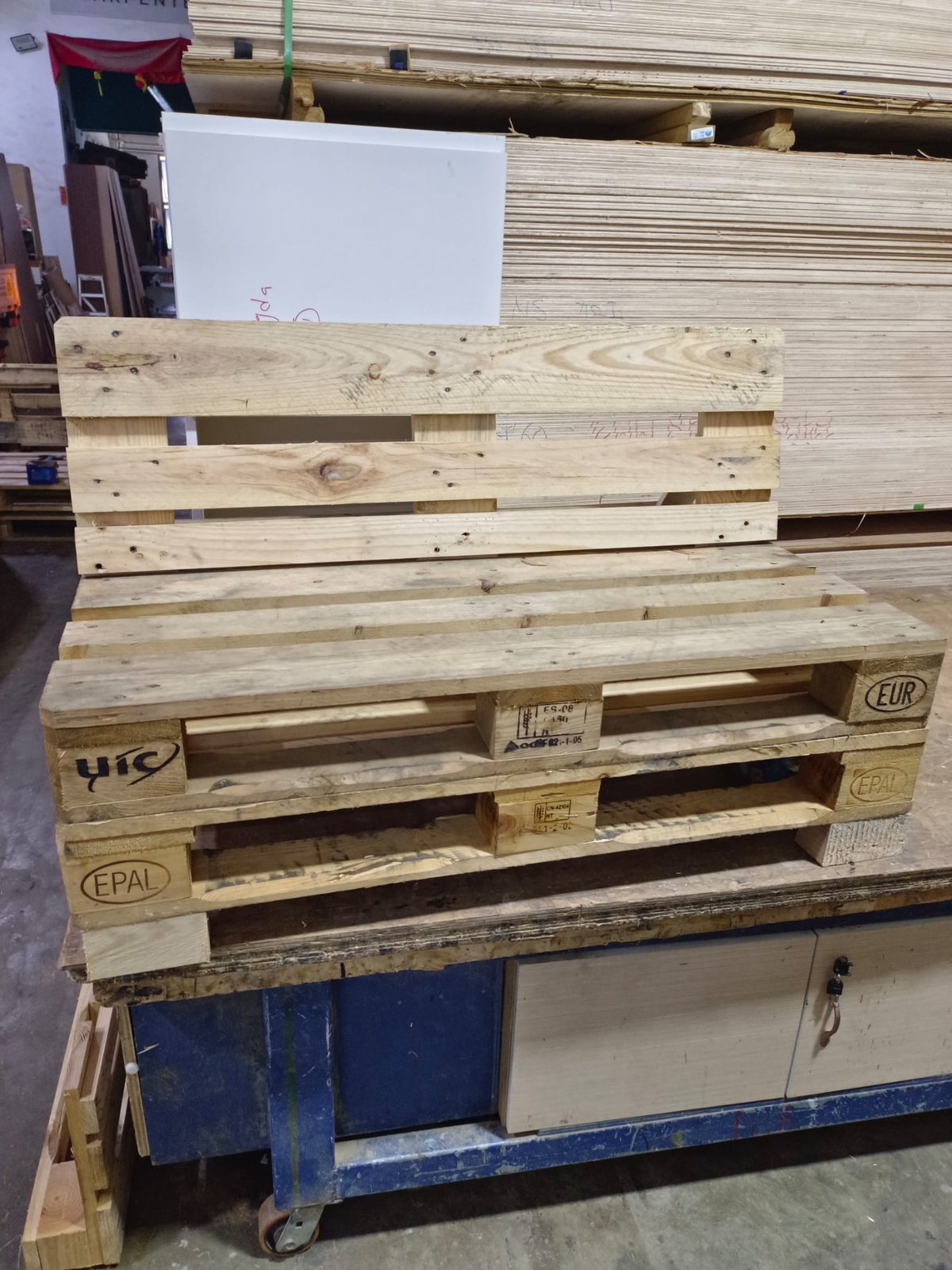
Labelling Decides How Useful the Warehouse Can Be
If the overseas manufacturer labels furniture by project, tower, floor, unit, room and furniture type, the Singapore warehouse can organise inventory around the installation programme immediately. Tower B, Level 09, Unit 09-05, Master Bedroom Wardrobe is far more useful than Carton 4837. The ideal identification system is one the factory, the warehouse, the logistics team, the installer and the site supervisor can all read.
Where shipments arrive with internal factory codes the local team cannot interpret, it is better to establish a clearer local reference early than to wait for confusion on site — but the original identity must be preserved. The link between factory code and local project reference has to remain traceable in both directions; the local system supplements the factory identity rather than replacing it.
What the Factory Can Do Before the Container Leaves
The Singapore end works far better when packing is installation-ready, not just shipping-ready. “Carton 001” helps with counting; “Level 08, Room 0812, Wardrobe W02, Package 2 of 6” tells the warehouse, the delivery team and the installer exactly what the package is and whether the set is complete. Useful label fields are project, building, floor, room, furniture description, drawing reference, package sequence and the manufacturer’s own reference.
Three further habits save days on site. Pack hardware by room and furniture item rather than in one “ACCESSORIES” box for fifty rooms. Send exploded assembly drawings whose panel references (P01 left side, P02 right side) match removable stickers on the components. And mark mirrored furniture plainly as TYPE A — LEFT and TYPE A — RIGHT instead of relying on subtle factory codes. Keep drawings in one revision-controlled set; the same references then make rectification precise — “Unit 15-03, MW-01, Panel P04 damaged” rather than “a wardrobe panel is damaged”.
Store According to Installation Logic
Storage should follow tower, floor, unit, room type and installation phase rather than whatever space happens to be free, otherwise today’s furniture ends up trapped behind three weeks of future stock. If the factory loads Level 20 furniture first and Level 5 last, the Level 5 packages come out first — and if nobody checks the site sequence, they are buried behind Level 20 stock and have to be dug out again.
Recording where each package goes matters just as much. A reference such as WD01-0805-3/6 to Rack B4 does not need a complex system behind it; it just needs to exist, so that the installation team is not physically searching hundreds of packages for one door panel. Oversized items that cannot fit conventional racking need appropriate support and designated floor storage, clear of forklift routes. Glass needs controlled, stable storage from the moment it leaves the container — a mirror can survive a month at sea and still be broken within ten minutes of poor warehouse handling — while stone requires checks for cracks, edge damage, cut-out condition, support and identification, and upholstered items should be kept away from dust and wet areas.
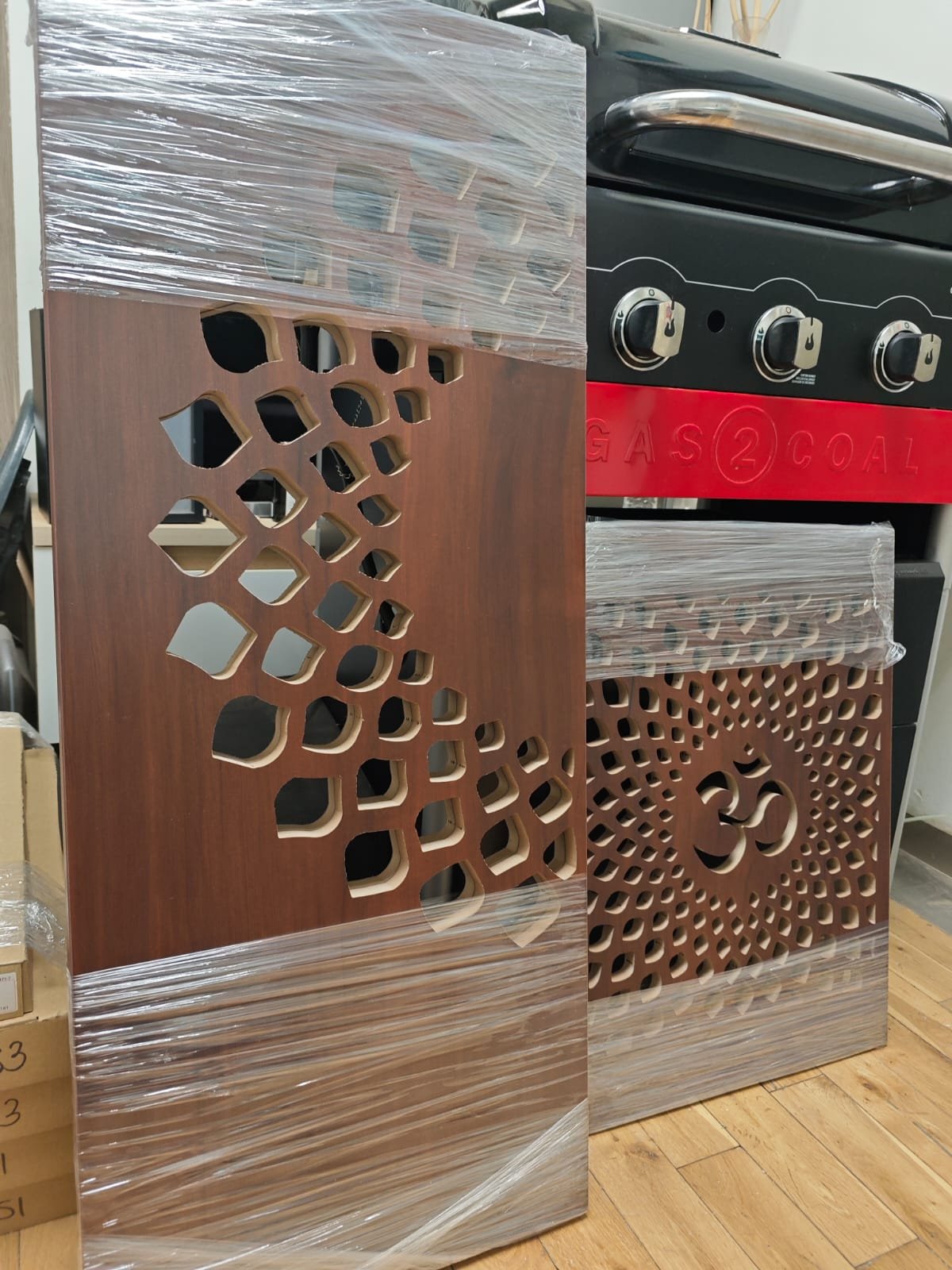
Separate Damaged Stock and Actually Track It
A damaged component left mixed with normal inventory will eventually be picked and sent to site by accident. A simple status system — ready, inspect or confirm, hold or damaged — makes the situation obvious to warehouse and logistics teams, and a digital system can apply the same logic without physical colours. Good receiving records also help establish facts quickly if responsibility needs to be determined later: container number, seal, date, package reference, photographs, damage notes and inspection result.
Quarantine only works if it is followed up. A hold area filled with undocumented furniture simply becomes another form of lost inventory, so each held item needs the issue recorded, the item inspected, the drawing or reference confirmed, damage photographed, a local-rectification or replacement decision made, the relevant parties informed and the issue closed. The reward for doing this on receiving day is time: if a critical wardrobe door is found damaged at receiving, the overseas factory can begin producing the replacement while sorting continues and other furniture is installed.
Tag, Quarantine and Register Every Defect
Finding a damaged panel at receiving is only half the job; the other half is making sure it does not travel to site inside an otherwise complete room kit three weeks later. Count and condition are separate outputs — 850 cartons received against 850 listed can still include crushed, punctured or wet packages — and a simple green, yellow and red status tells the warehouse what can be stored, what needs inspecting first and what goes straight to quarantine.
Quarantine means “do not release until assessed”, not rejection. Each held item gets a visible tag (for example HOLD / EDGE CHIP / D-0187) carrying the same reference as the defect register, the photo folder and the message to the factory, so everyone is talking about the same object. The record keeps the furniture identity — project, tower, unit, furniture code, panel — and the photographs are a set: the package, its label, the whole component for orientation, the defect, and a scale reference where size decides between local repair and replacement.
Classify by type and severity, and treat wrong items and missing hardware as defects too. Feed the status into room readiness, so a set with a door in quarantine is shown as partial rather than received. Catching a defect at receiving buys time: a chipped lacquer door can be resprayed locally and returned before its room is due, or the replacement ordered while installation continues elsewhere. Track replacements against the original defect number until the part is back in its room, and watch for patterns — forty cartons with the same compression is a packing or loading problem worth reporting to the factory while production is still running.
Receiving Should Answer What Site Needs Next
Receiving is not only about what arrived; it should also tell the installation team which complete room sets are available, which packages are missing, which components are damaged, what is awaiting inspection and which replacements are pending. That is what makes installation planning realistic. If the programme says Room 1208 tomorrow, the warehouse should know first whether Room 1208 actually has its cabinet panels, doors, hardware, glass and accessories — and if one critical item is missing, the team can decide whether partial installation still makes sense, whether another room should be prioritised, or whether a local solution exists. That avoids mobilising labour for a room that cannot be finished.
It also reframes what productivity means during de-stuffing. A warehouse team can empty a container very quickly, but if everything ends up mixed together the project loses far more time later. Finishing thirty minutes earlier is worth very little if installers subsequently spend hours searching for components; the real measure combines speed with identification, condition control and storage logic.
Agree the Inspection Level Before the Container Arrives
“Receiving and inspection” can mean anything from a carton count to unpacking every panel, and the difference matters for cost, space and what the report can prove. The level should be agreed and priced before the shipment lands:
- Receiving check — carton count, labels and visible packaging condition.
- Selected inspection — agreed cartons or sample items opened and reviewed.
- Detailed inspection — a wider review of panels, finishes, hardware and selected dimensions.
- Full unpacking — subject to space, labour and repacking arrangements.
Whatever level is chosen, the report should say so. “No damage found” means something very different after a carton count than after a full unpack, and visual inspection will not find concealed manufacturing defects that only appear during assembly.
A useful receiving report ties each observation to a reference rather than describing the shipment in general terms. At a minimum it should carry the receiving date, the carton or item number, the packing-list reference, photographs, a description of the condition and the recommended next step — enough for the supplier to act on without a site visit.
Release Complete Rooms, Not Cartons
A warehouse can hold every carton and still not have a single room ready: the carcasses came in one container, the doors in another and the hinges in a third. Kitting closes that gap by grouping and verifying everything a defined package needs — a room, a unit, an item or a zone — before release. Components can stay in their own cartons; what matters is that the set is linked and checked, hardware and LED drivers included, because a two-kilogram hardware box decides whether two hundred kilograms of cabinetry gets installed.
Use a status finer than received or not: fully ready, partial ready, hold, quarantine. Release in the order the installer works — carcass, M&E, stone, doors and glass, final hardware — and keep lacquered doors, glass and finished stone in the warehouse until the room is close to complete. Match release volume to installation capacity: if a team completes four rooms a day, sending twenty turns sixteen rooms into site storage that has to be protected and moved again. Load goods-lift trips by destination floor, keep factory references visible through every transfer, record what left and confirm what arrived.
Before the truck leaves, confirm the room itself is ready — floor, ceiling and services complete, lift booked, route protected, current drawing revision in the kit — and measure progress in completed rooms rather than cartons moved.
Build the Schedule Backwards From Handover
On a large project, furniture arriving in the wrong order hurts the programme more than furniture arriving late. A workable FF&E schedule starts from the handover or opening date and works backwards: installation window per zone, the deliveries that feed each window, then the shipment and warehouse dates behind those deliveries. The slowest casegood item, not an average, sets the critical path.
Confirm each building’s own rules early — loading-bay bookings, service-lift size and weight limits, protection of common areas and permitted working hours — and sequence the installation from a sample zone signed off first, through standard floors in delivery order, to public areas and specialist joinery, with stone tops after casegoods and snagging, final cleaning and handover at the end. Plan a buffer for inspection, rectification and replacement deliveries, so one damaged carton does not move the opening date.
How Rongda Pacific Supports Imported Furniture Receiving
Depending on project requirements, Rongda Pacific Pte Ltd can support container receiving coordination, FF&E de-stuffing, packing-list verification, furniture identification, packaging-condition inspection, damage documentation, selected product inspection, hardware control, room-based sorting, warehouse inventory coordination, quarantine management, staged site release, imported furniture installation, local rectification, replacement-part coordination, stone coordination, snagging and final handover. For overseas manufacturers, this provides a local control point immediately after international freight — so problems surface when the container opens rather than when an installer opens a carton on site.
Frequently Asked Questions
What is furniture container de-stuffing?
It is the controlled process of unloading furniture and other FF&E from a shipping container after arrival, including identification and condition checking rather than simply emptying the box.
Why should the container be photographed before unloading?
It documents the initial cargo condition and provides useful evidence if shifted loads, damaged packing or moisture issues are found later.
Should every furniture carton be opened during receiving?
Not necessarily. Inspection can be risk-based, prioritising visibly damaged, high-value, fragile and programme-critical items.
How should missing cartons be identified?
By checking detailed furniture references and package sequences rather than only counting the total number of cartons received.
Why is hardware control so important?
A small missing hardware pack can prevent a large furniture assembly from being completed even when every major panel is present on site.
Can Rongda Pacific coordinate receiving for furniture manufactured in China?
Yes. Singapore-side receiving, sorting, inspection, staged delivery, installation and rectification can be supported for furniture supplied from China and other overseas locations.
More in FF&E Installation
 Rectifying FF&E in a Hotel That Has Already Opened: Room Nights, Housekeeping Access and the Remove-and-Return Cycle
 How Many Spares Should an Imported FF&E Package Carry? A Risk-Based Alternative to the 2% Line
 Large Residential Development FF&E in Singapore: Unit-by-Unit Handover, Defect Patterns and a Liability Period in Occupied Homes
Our main priority is to provide comfort, and elegance in our luxury cars and limousines. Our goal is to offer seamless airport transfers in Dubai for both personal and professional trips.