
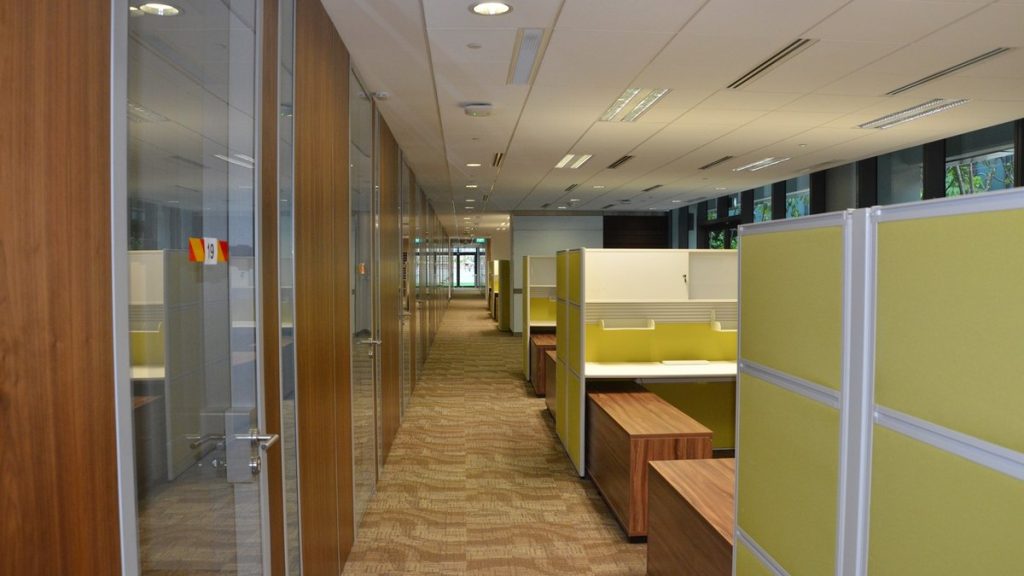
Imported custom carpentry can leave the factory in perfect condition and still disappoint on site. The panels were cut accurately, the finish is flawless, the hardware is good — and the result looks wrong because the run was not levelled, the scribe was rushed, or the doors were adjusted before the carcass was fixed. Professional installation is what turns well-made components into a refined interior.
Related service: custom carpentry and joinery in Singapore.
Quality Manufacturing Is Only Half the Project
Over the past decade a growing number of homeowners, interior designers and developers in Singapore have sourced custom carpentry from China. Established factories offer strong production capability, competitive pricing and a wide range of materials and finishes, and the quality of what arrives is frequently excellent.
The demanding stage begins after the shipment lands. Accurately manufactured cabinetry performs poorly if it is assembled in the wrong order, levelled against the wrong reference, or adjusted before it is secured. Rongda Pacific Pte Ltd provides installation for imported custom furniture, assembling, aligning and completing each item to the manufacturer’s drawings, specifications and intended finish.
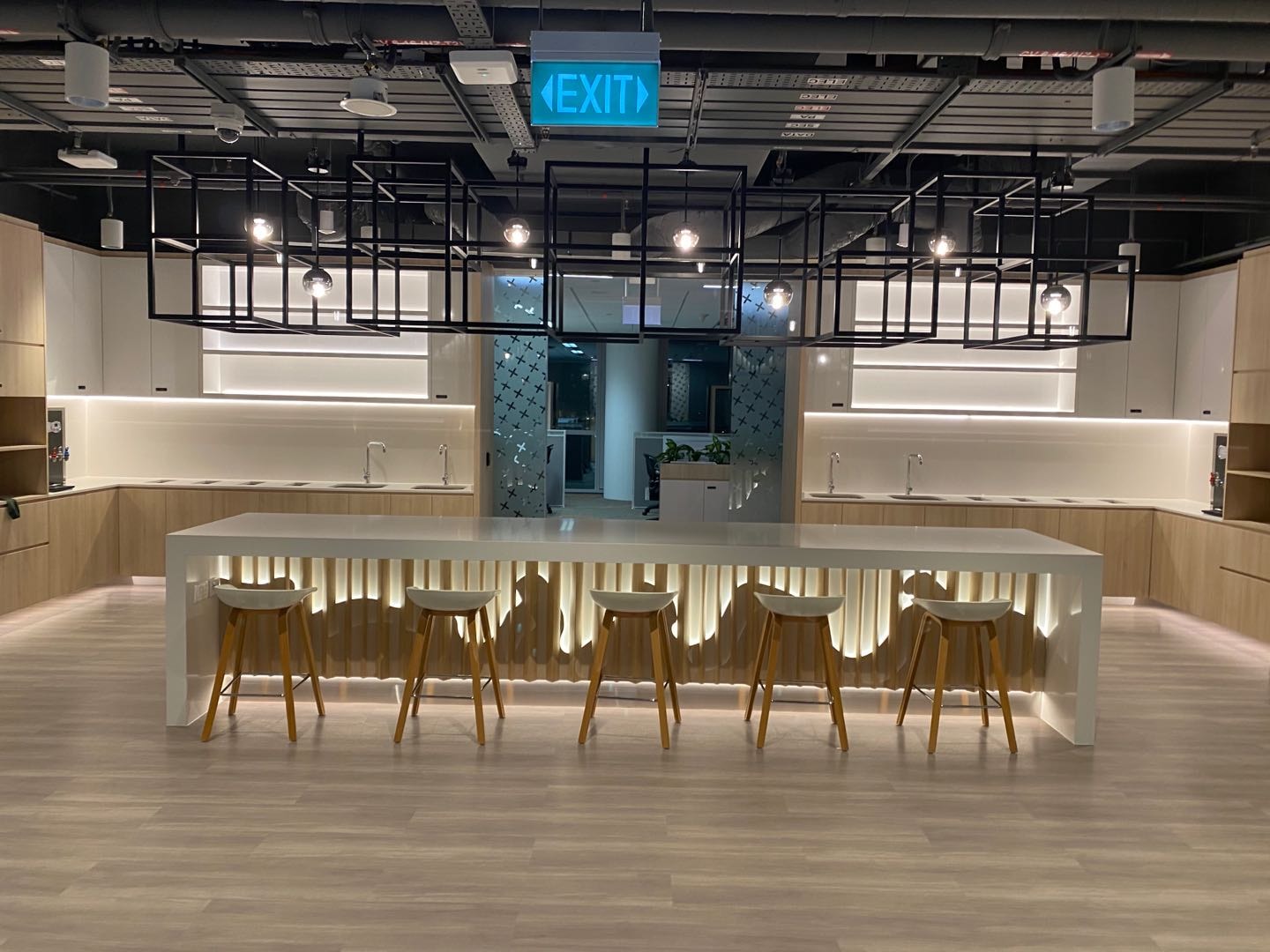
What Actually Arrives, and in What State
Before planning an installation it is worth knowing what the container holds. Imported carpentry arrives in one of three forms, and each has a different risk profile.
Three ways imported carpentry ships:
- Fully assembled — best finish protection, worst access and lift constraints
- Flat-packed with factory-fitted hardware — the common compromise
- Components with hardware supplied loose — cheapest to ship, most site labour
Flat-packed shipments are where hardware packs go missing, and a missing pack of connectors stops a run just as effectively as a missing panel. Reconciling hardware against the packing list at the warehouse — not on installation day — is what prevents that. Our guides to container unloading and FF&E receiving and warehouse receiving and quality inspection cover the check.
Cabinet Systems Depend on Correct Assembly
Imported cabinetry is manufactured to precise tolerances and incorporates a range of specialised fittings, each of which has a correct sequence and a correct torque.
Fittings commonly used in imported cabinetry:
- Cam-lock connectors and Minifix fittings
- Dowel joints, often glued and time-sensitive once assembled
- Concealed hinges with three-way adjustment
- Soft-close drawer runners and push-to-open mechanisms
- Adjustable suspension brackets for wall-hung units
- Integrated LED lighting with its own driver and routing
Each has to be installed in the correct order and adjusted to the required tolerance. Poor workmanship produces weak joints, uneven gaps, misaligned panels and hardware that fails early — and cam-lock joints in particular are unforgiving, because a connector tightened against a panel that is not fully seated will hold, appear correct, and loosen within months.
Site Conditions Rarely Match Factory Conditions
Furniture is produced in a controlled factory and installed in an existing building. Walls are rarely plumb, floors are rarely level, ceiling heights vary along a run, and structural elements or building services restrict the space that the drawing assumed was clear.
The deviations that matter most on a carpentry run:
- Floor level across the full length — it decides the whole run’s line
- Wall plumb and bow, which change the depth available at each point
- Ceiling height variation where full-height units meet a bulkhead
- Out-of-square corners where two runs meet
- Services, skirtings and returns that were not on the drawing
Experienced installers assess these conditions and adapt on site rather than following the production drawing blindly. That adaptation is planned work, not improvisation: the allowance for it should have been designed into the item as filler and scribe material. Our guides to professional site measurement and scribing, fillers and making good cover how the allowance is set and used.
The Order of Work Decides the Result
Most avoidable installation defects come from doing the right operations in the wrong order — typically adjusting doors before the carcass is fixed, so every adjustment is undone by the fixing.
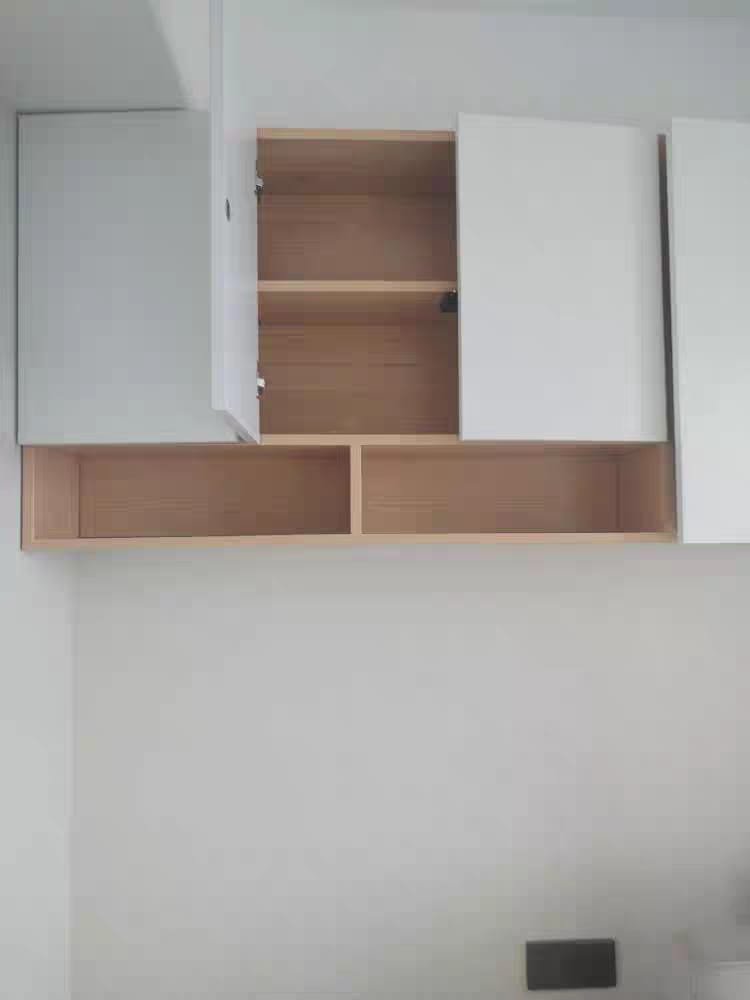
Wall-hung units deserve a specific check. A suspended run transfers its whole load, plus whatever is stored in it, into the wall — so the substrate, the backing and the bracket type have to be confirmed before installation rather than discovered when the first bracket pulls. Our guide to wall fixing and structural support covers how that is verified.
Precise Alignment Is What Clients Actually See
Cabinet doors and drawer fronts are the first details anyone notices. A high-quality installation shows consistent gaps, smooth soft-close operation, aligned handles, straight shadow lines and flush panel joints — and those are set at the end, once everything is secured.
What final adjustment covers:
- Equal reveals between doors and between doors and carcass
- Shadow lines running straight across the full length of a run
- Soft-close engaging at the same point on every door and drawer
- Handle and pull alignment across adjacent fronts
- Drawer fronts flush with each other and with the door line
- Doors closing without binding at the top or bottom of their travel
Final adjustment should be carried out only after the cabinetry is fully positioned and secured, and it is normal to revisit hinges, runners and fronts once the room has settled and other trades have finished. Where a room is not yet at its final environmental condition, that revisit matters more — our guide to humidity, acclimatisation and environmental control covers why tall doors set in an unconditioned room will not hold the same gaps later.
When Something Does Not Fit
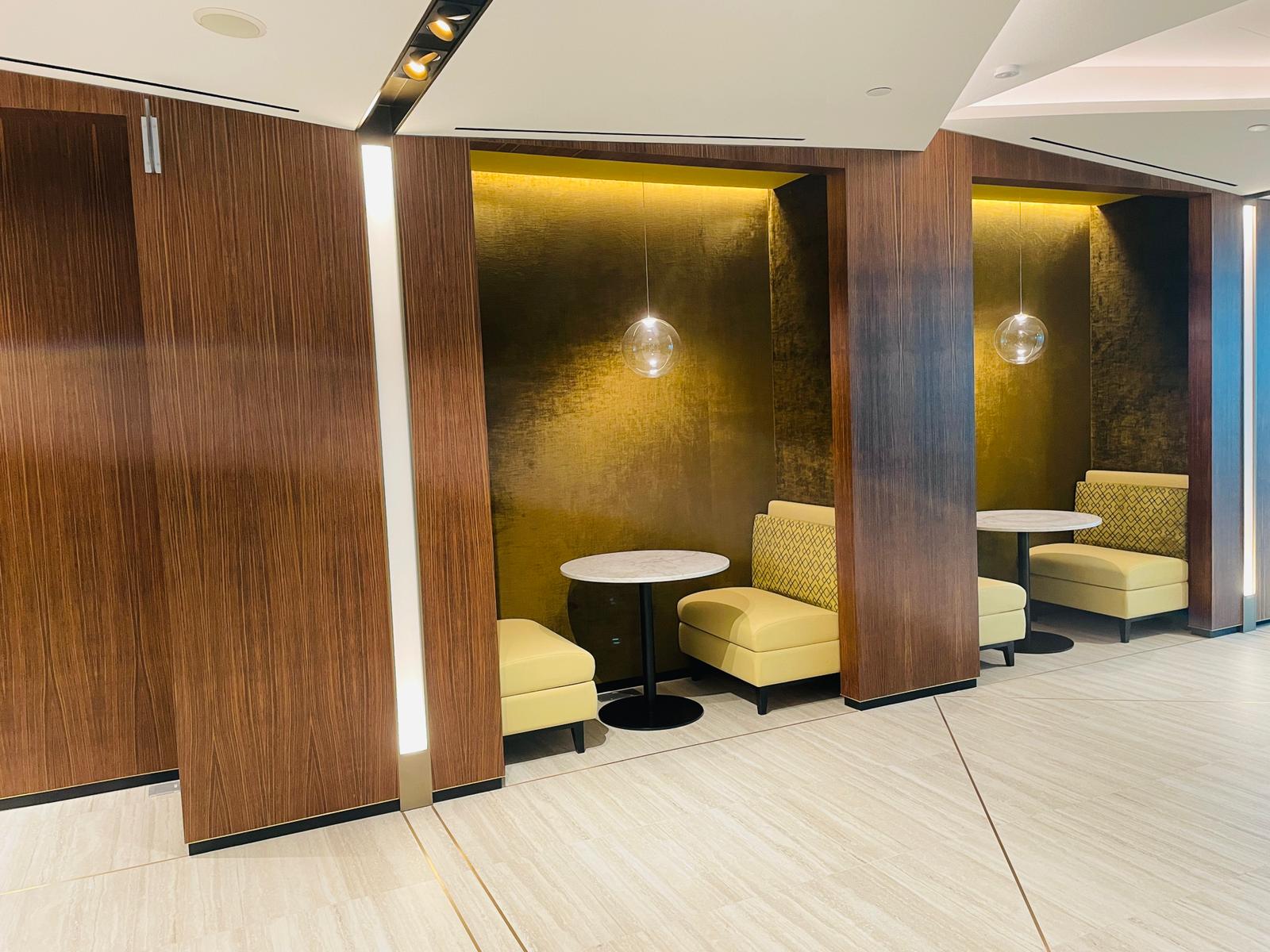
On any imported carpentry project, some items will not fit as drawn. That is normal and is not, by itself, a failure of the factory — the building was measured once, months earlier, and it has changed since.
The usual options, in order of cost:
- Absorb it in the filler or scribe allowance already designed in
- Modify the component on site — trimming, re-drilling, adding a packer
- Fabricate a replacement panel locally to the original finish
- Order a replacement from the factory and wait for it
The first two close the problem in hours; the last takes months and usually holds up the room. That is the entire commercial argument for local capability — our guides to on-site modification of imported furniture and replacement parts and local rectification cover what can be done here.
Where the damage is to a finish rather than a dimension, local refinishing is usually the answer. A scratched lacquer door resprayed in Singapore takes days; the same door reordered overseas takes months. Our guide to local spray-paint rectification covers the process.
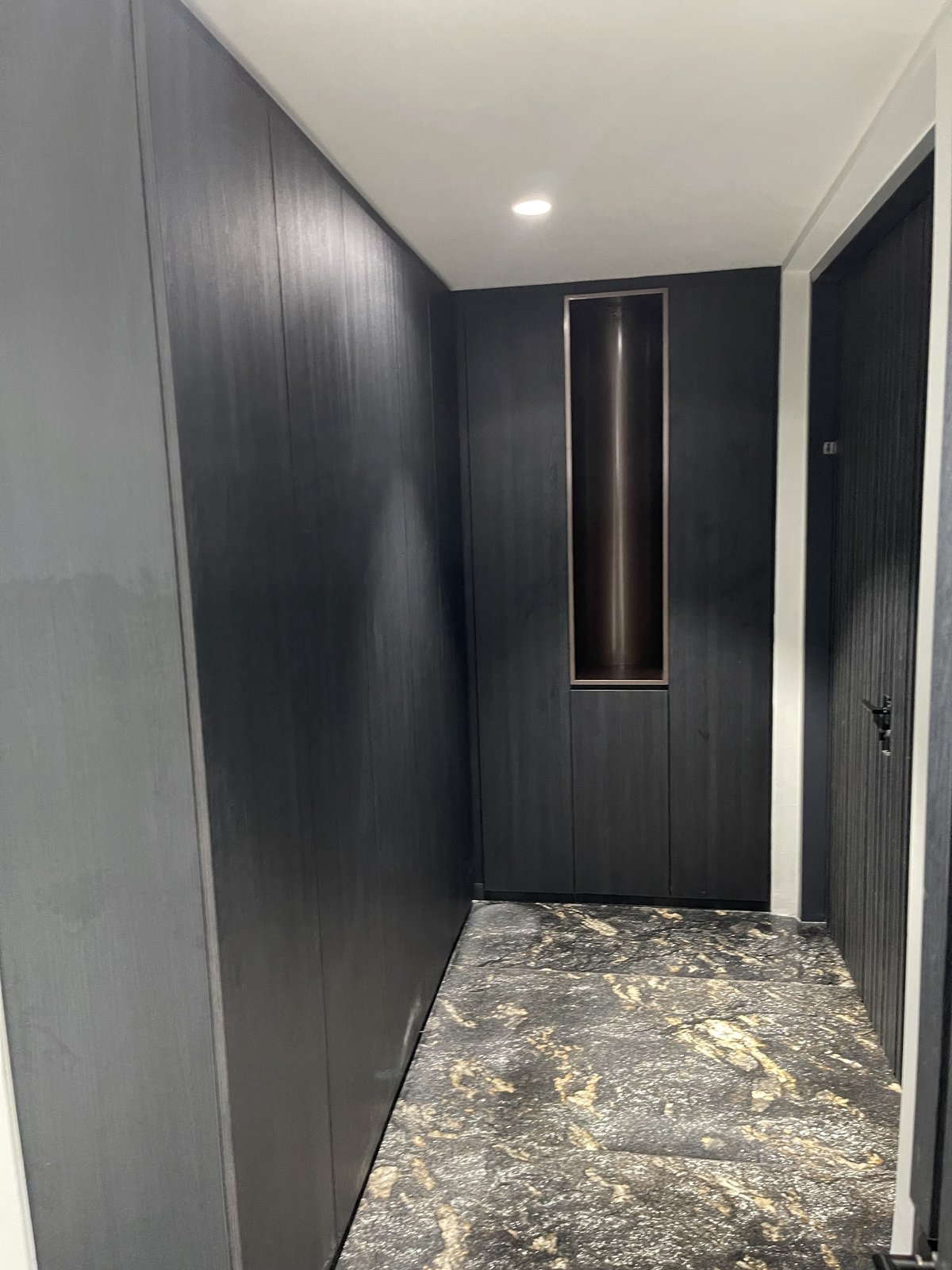
What the Factory Should Send With the Furniture
How well an imported shipment installs depends heavily on what arrives with it. The best factories send information that makes the installation self-explanatory; the difficult ones send cartons.
Documentation that materially speeds up installation:
- A packing list that maps cartons to rooms or item references
- Carton labelling that matches the FF&E schedule
- Assembly drawings showing sequence, not just an exploded view
- Hardware schedules identifying each pack and where it belongs
- Fixing details for wall-hung and full-height items
- Finish and component schedules for future replacement
Our guide to the complete factory-to-Singapore workflow covers the whole chain, and why overseas manufacturers need a Singapore installation partner covers the division of responsibility.
Protection and Handover
Completed carpentry usually sits in an active site for weeks before anyone takes possession, and most damage to imported joinery happens after it is installed rather than during shipping. Protection goes on immediately after the run is finished and photographed, and comes off in a controlled sequence before inspection.
Our guides to protection after installation and final inspection and project handover cover both stages.
How Rongda Pacific Installs Imported Carpentry
Rongda Pacific Pte Ltd installs imported custom carpentry for residential, hospitality and commercial projects across Singapore. Our scope covers container receiving, hardware reconciliation and condition inspection, warehouse storage and staged release, site measurement against the built condition, builder’s works verification, assembly, levelling, fixing and scribing, hardware fitting and final adjustment, on-site modification and local replacement panels, spray rectification, protection, snagging and handover — working to the overseas manufacturer’s drawings and finish specification throughout.
Frequently Asked Questions
Why does imported carpentry need professional installation?
Because the factory builds to a drawing and the building does not match it. Walls are not plumb, floors are not level, and the run has to be levelled, scribed and adjusted as one line. Accurately made cabinetry installed in the wrong order still looks wrong.
What is the most common installation mistake?
Adjusting doors before the carcass is fixed. Every adjustment is then undone by the fixing, and the installer ends up chasing gaps that will not settle. Alignment is the final operation, not an early one.
What happens if a panel does not fit?
In order of cost: absorb it in the designed filler allowance, modify the component on site, fabricate a replacement locally to match the finish, or reorder from the factory. The first two close the problem in hours; the last takes months.
How are wall-hung cabinets fixed safely?
By confirming the substrate, backing and bracket type before installation. A suspended run transfers its full weight plus contents into the wall, so the fixing method has to be verified against the built wall rather than assumed from the drawing.
Should hardware be checked before installation day?
Yes, at the warehouse. Flat-packed shipments are where hardware packs go missing, and a missing pack of connectors stops a run exactly as effectively as a missing panel — but discovered at the warehouse it is recoverable.
Can a scratched imported door be repaired in Singapore?
In most cases yes. Lacquer and painted finishes can be resprayed locally and veneer can be repaired, usually within days. Reordering the same door from an overseas factory typically takes months.
When should the final adjustment be done?
After the cabinetry is fully positioned, fixed and the room is close to its final condition. Tall doors set in a humid, unconditioned room will not hold the same gaps once the building is cooled, so a second visit is often worthwhile.
What should we ask the factory to supply with the shipment?
A packing list mapped to rooms or item references, carton labelling that matches the FF&E schedule, assembly drawings showing sequence, hardware schedules, fixing details for wall-hung items, and finish schedules for future replacement.
More in Custom Carpentry & Joinery
 How to Maintain Spray-Painted Furniture in Singapore: Cleaning, Wear Zones and What Belongs in the Handover Record
 Integrated Appliances & Imported Cabinetry in Singapore: Why Fridges, Ovens and Dishwashers Need Early FF&E Coordination
 Local Spray-Paint Rectification for Imported Furniture in Singapore: Repairing DLP Defects Without Shipping Panels Overseas