
For imported furniture and FF&E projects, completing physical installation is only one milestone. Before an interior can be handed over, the project team must answer a more important question: does every installed item actually meet the approved quality standard?
A wardrobe may be installed but have uneven door gaps. A stone countertop may look complete but require joint refinement. A drawer may operate correctly but rub slightly against the adjacent panel. An LED strip may work but show an inconsistent light line. Individually these seem like small details; collectively they determine whether a completed interior feels premium or unfinished.
This final quality-control stage is commonly known as snagging, punch-list inspection or defect rectification. For overseas furniture manufacturers and Singapore project teams, having a capable local contractor to manage this stage can be particularly valuable. Rongda Pacific Pte Ltd supports imported furniture and FF&E projects from installation through inspection, rectification and final handover.
What Is FF&E Snagging?
FF&E stands for Furniture, Fixtures & Equipment. Snagging is the systematic inspection of installed items to identify work that requires correction before final acceptance.
Depending on the project, a snag list may cover:
- Cabinet alignment
- Door gaps
- Drawer operation
- Hardware adjustment
- Surface scratches
- Laminate or veneer defects
- Stone joints
- Silicone finishing
- Glass alignment
- Metalwork
- LED integration
- Missing accessories
- Incomplete making-good works
The objective is not simply to produce a long defect list. A good snagging system identifies each issue clearly, assigns responsibility, records rectification and verifies that the defect has actually been closed.
Why Imported FF&E Requires Strong Local Rectification Support
Imported furniture introduces another layer of complexity because the manufacturer may be thousands of kilometres away. Imagine a custom wardrobe manufactured overseas and delivered to a luxury residence in Singapore. During final inspection, the project team discovers that one decorative panel has been damaged. Returning the entire cabinet overseas would make little sense. The project instead needs to determine:
This is why the local installation contractor becomes an important technical bridge between the overseas manufacturer and the Singapore site.

Common Furniture Snags Found During Final Inspection
1. Uneven Cabinet Doors
Large wardrobes and kitchen cabinets can require adjustment after installation. Common causes include floor-level variations, wall tolerances, hinge adjustment, cabinet levelling and door weight. Professional installers can adjust hinges and cabinet alignment to create consistent gaps.
2. Drawers That Do Not Run Smoothly
Premium drawers should open and close smoothly. During inspection, technicians check runner alignment, soft-close operation, drawer clearance, front-panel alignment and handle positioning. A drawer that technically opens but feels rough should not automatically be considered complete.
3. Visible Gaps Against Walls
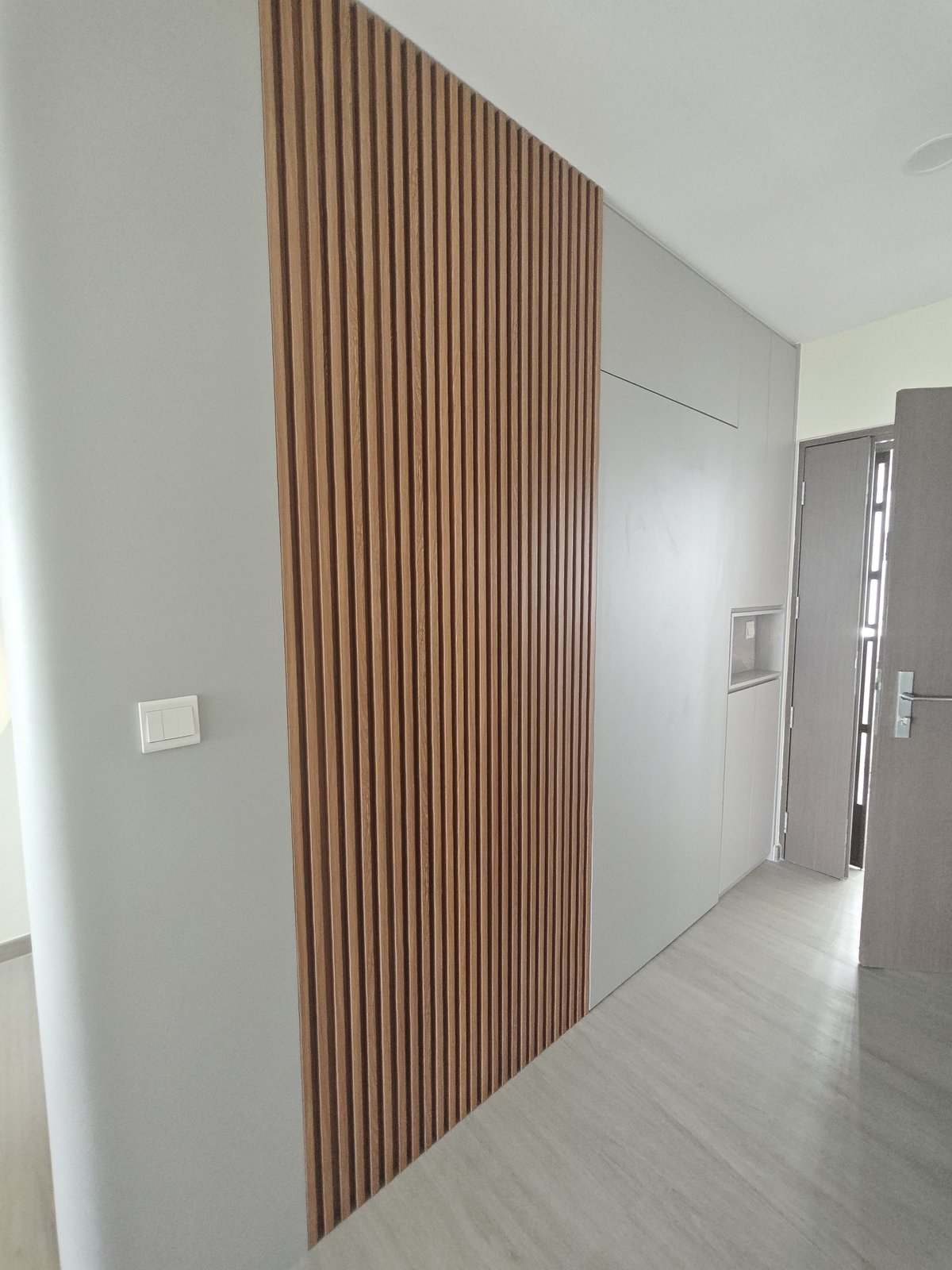
Existing walls are rarely perfectly straight. Custom furniture may therefore require filler panels, scribing, silicone finishing, additional trims or local panel adjustment — the solution selected according to the design intent.
Stone Snagging Requires Specialist Attention
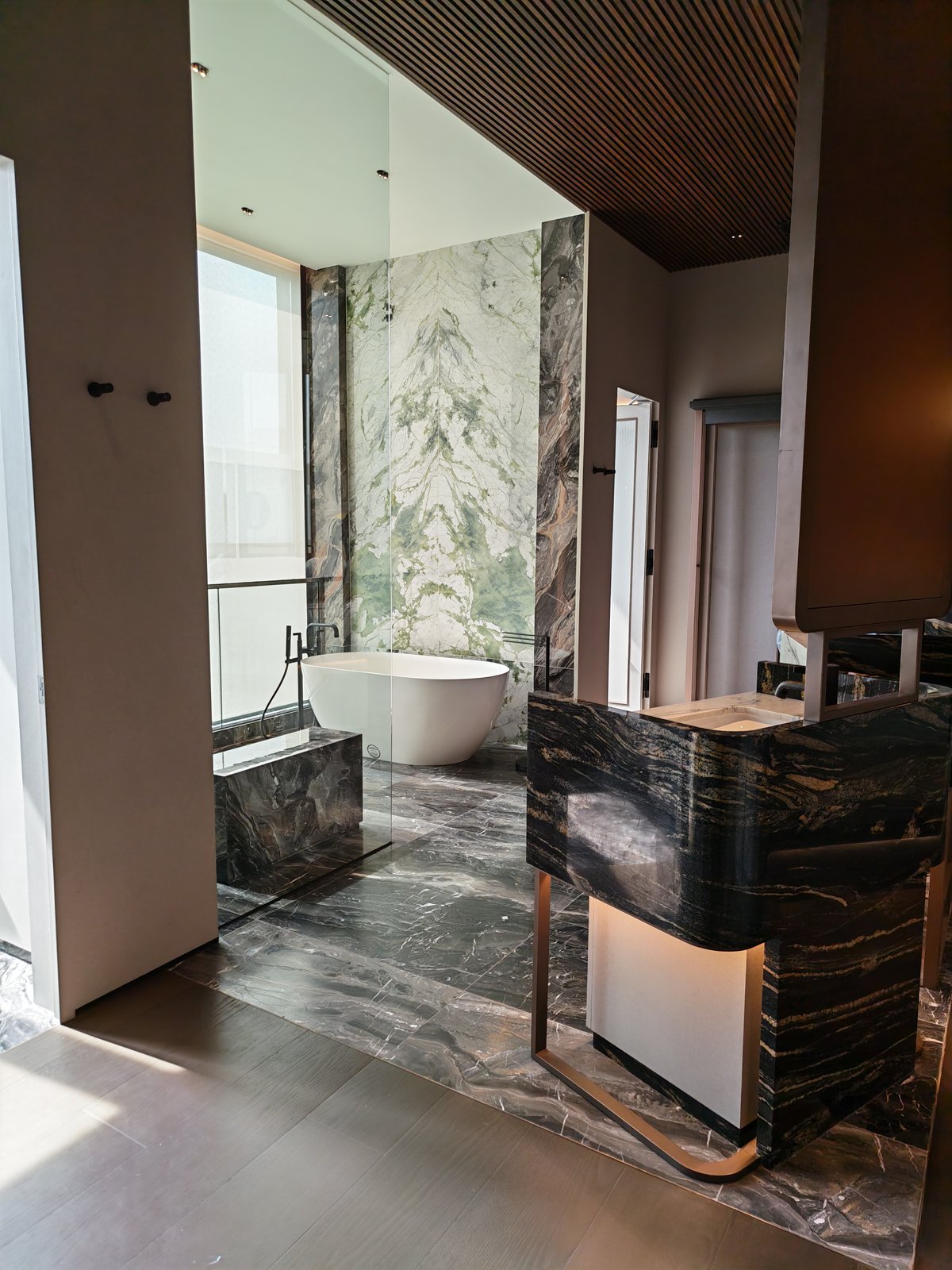
Stone should be inspected separately because its defects and rectification methods differ from carpentry. For marble, granite, quartz, engineered stone and sintered stone, inspections may include surface condition, joint alignment, edge finishing, cut-out dimensions, sink interfaces, hob openings, silicone finishing and chips or impact damage. Some issues can be polished or refined locally; others may require replacement fabrication. A capable team should identify the difference before attempting repairs.
Lighting and Electrical Integration Should Be Tested Too
Modern custom furniture increasingly incorporates electrical elements — wardrobe LEDs, display-cabinet lighting, concealed LED strips, pop-up sockets, USB charging modules and motorised mechanisms. Final inspection should include functional testing: not only whether a light switches on, but light consistency, driver accessibility, sensor operation, cable concealment and maintenance access.
A Better Snagging Workflow
For larger FF&E projects, informal WhatsApp messages and scattered photographs quickly become difficult to manage. A structured workflow is more effective:
This creates accountability and a clear handover record.
Snagging Hundreds of Hotel Rooms or Residential Units
The process becomes even more important in repetitive projects. Consider hundreds of hotel rooms or serviced apartments. If the same hinge issue occurs in the first ten rooms, the team should not simply repair those ten and continue. The correct approach is to determine the root cause and adjust the installation process for all remaining units — transforming snagging from a reactive repair exercise into a quality-improvement system.
The Importance of a Golden Sample
For large-scale projects, an approved mock-up or sample installation can become the benchmark for snagging. Inspectors compare subsequent installations against the approved sample for door gaps, hardware positions, stone details, silicone joints, lighting appearance and furniture positioning — removing ambiguity about what constitutes an acceptable finish.
Making Good Is Part of Professional Handover
Furniture rectification may affect surrounding finishes — replacing a panel might disturb paint, plaster, skirting, silicone or ceiling finishes. The rectification is therefore not complete until surrounding areas have also been properly made good. Rongda Pacific’s broader Builder’s Works capability is useful here because the project does not need to coordinate multiple contractors for every minor finishing issue.
How Rongda Pacific Supports the Final Handover Stage
Depending on project requirements, our scope can include:
- FF&E snagging
- Furniture inspection
- Defect documentation
- Carpentry adjustment
- Hardware rectification
- Replacement component installation
- Stone rectification coordination
- Builder’s Works
- Making good
- Overseas manufacturer coordination
- Final cleaning coordination
- Reinspection
- Handover support
Our objective is simple: do not leave the client with a list of unresolved installation problems. For overseas manufacturers, a Singapore execution partner can inspect the problem, communicate technical information and complete appropriate local rectification — reducing international travel, project delays, repeat shipping and handover risk.
Frequently Asked Questions
What is FF&E snagging?
FF&E snagging is the systematic inspection of installed furniture, fixtures and equipment to identify defects or incomplete work before final project handover.
Can Rongda Pacific rectify furniture supplied by an overseas manufacturer?
Yes. We can inspect imported furniture and assess appropriate local rectification, subject to the construction, materials and nature of the defect.
Can scratched furniture always be repaired?
Not always. Minor damage may sometimes be repaired locally, while significant damage or specialised finishes may require a replacement component from the original manufacturer.
Do you handle stone defects?
We can coordinate stone inspection, modification and replacement fabrication depending on the material and defect.
Can you manage snagging for multiple hotel rooms or apartment units?
Yes. A systematic room-by-room or unit-by-unit inspection and rectification process can be established for larger FF&E projects.
Do you provide making-good works after furniture rectification?
Yes, appropriate making-good and Builder’s Works can be incorporated depending on the project scope.