Most imported furniture projects already inspect goods when they arrive — we set out that process in our article on pre-delivery inspection for imported furniture. The harder problem starts immediately afterwards: what happens to the damaged panel once it has been found. Inspection identifies a defect. It does not, by itself, stop that defect from being picked, loaded and delivered to a finished room three weeks later.
That is what tagging, quarantine and a defect register are for. Without them, a known problem quietly rejoins normal stock, travels to site inside an otherwise complete room kit, and is discovered a second time by an installer who now has a programme problem instead of a warehouse one. This article is about the control layer around inspection — how a defect is labelled, isolated, numbered, evidenced, decided and closed.
Quantity Verification and Condition Verification Are Different Jobs
A shipment can be complete and still carry serious quality problems. A packing list of 850 cartons matched by 850 cartons received reads as one hundred percent on paper — while four have crushed corners, two have punctures, one is wet and three timber crates show impact damage.
Receiving therefore needs two separate outputs: a count and a condition record. Damaged packaging does not prove the furniture inside is damaged, but it is a reliable risk indicator, and crushed corners, punctures, torn cartons, broken timber, missing protection, water stains and heavy compression are the signals worth acting on.
A simple three-tier receiving status keeps the warehouse moving:
- Green — packaging intact, no obvious concern, store per procedure
- Yellow — packaging damaged or suspicious, inspection required before release
- Red — visible furniture damage, moisture exposure or serious packaging failure, quarantine immediately
The Quarantine Zone Is the Control That Actually Works
A dedicated warehouse area for damaged packages, suspected moisture exposure, wrong items, replacement-required items and anything awaiting technical inspection is the single most effective way to stop a known defect reaching site. Without it, a damaged door sits in the same rack as good stock and eventually gets released with a room kit by someone who was not there when it was inspected.
Quarantine does not mean rejection. A damaged package may contain perfectly usable furniture, and a furniture defect may be entirely repairable. It means only one thing: do not release until assessed. After inspection the item can be released, locally rectified, repacked, held for replacement or returned — but that decision should follow a technical assessment rather than a warehouse assumption.
Every Defect Keeps Its Furniture Identity
A defect record that says “damaged cabinet door” is almost useless three weeks later. It needs the project, tower or block, unit or room, furniture code, package number and panel number where available — Project A / Tower 2 / L15 / Unit 15-08 / WD03 / Door 2.
That identity is what lets a replacement part find its way home. When the factory ships a new door, when a rectified panel returns from the workshop, or when the site asks which room is still waiting, the reference is the only thing connecting those events. Singapore-side project labels can be added for local coordination, but the original factory carton and production references should stay traceable so any issue can be linked back to the packing list, shop drawing or production batch.
Tag the Package Physically, Number It Digitally
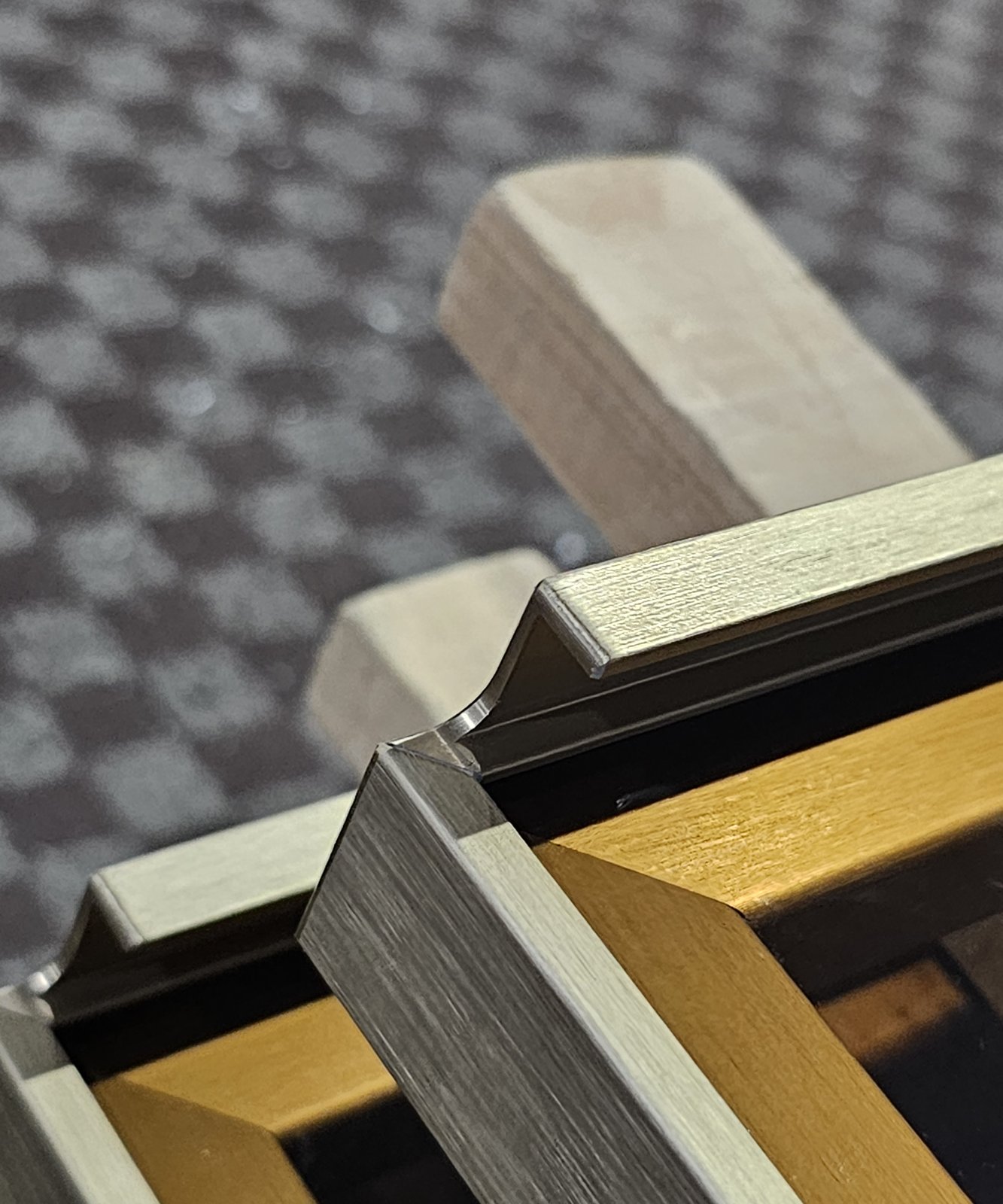
A physical tag stops the wrong hands moving the wrong package. It should be simple and visible: status, date, defect type, reference number, inspector and action required — for example HOLD / EDGE CHIP / D-0187 / LOCAL RECTIFICATION REVIEW. Warehouse staff who were not part of the inspection can then see immediately that this item is not ready.
The strongest control is when the tag and the digital record share one number. If D-0187 appears on the package tag, in the defect register, on the photograph folder and in the message to the factory, every party is discussing the same object. Where warehouse movements are not fully digital, that shared reference is what holds the process together.
Photograph a Set, Not a Close-Up
A single extreme close-up of a scratch tells an overseas factory almost nothing. It does not say which panel, which face, which room or which orientation. A useful defect photo set covers the overall package, the label, the whole component for orientation, the defect itself, and a scale reference where size matters.
For defects where dimensions drive the decision — scratch length, chip width, dent depth, crack position, distance from an edge — recording a measurement helps the factory judge whether local repair is suitable, replacement is required, or structural integrity is affected. A good record tells the factory both what happened and where it happened.
Classify by Type and by Severity
A structured register makes patterns visible and decisions consistent. Surface defects cover scratches, abrasion, staining and colour issues; edge and corner defects cover chips, compression and breakage; structural defects cover cracks, distortion and delamination. Glass, stone, hardware and moisture each warrant their own category because each leads to a different remedy.
Severity is a separate axis from type. A minor defect is cosmetic and potentially locally repairable; a major defect affects function or visible quality and needs technical assessment; a critical defect is unsafe, structurally compromised or blocks installation entirely. Priority then combines severity with programme impact — a tiny cosmetic mark on a spare shelf is not urgent, while a broken side panel for the show unit is.
Inspect by Risk, Not by Opening Everything
Full inspection of every component is rarely practical or even desirable. Opening every package increases labour, removes factory protection, creates repacking risk and exposes finishes to dust. A risk-based approach — packaging condition, sampling, targeted opening of damaged cartons and first-unit verification — usually gives better coverage for the effort.
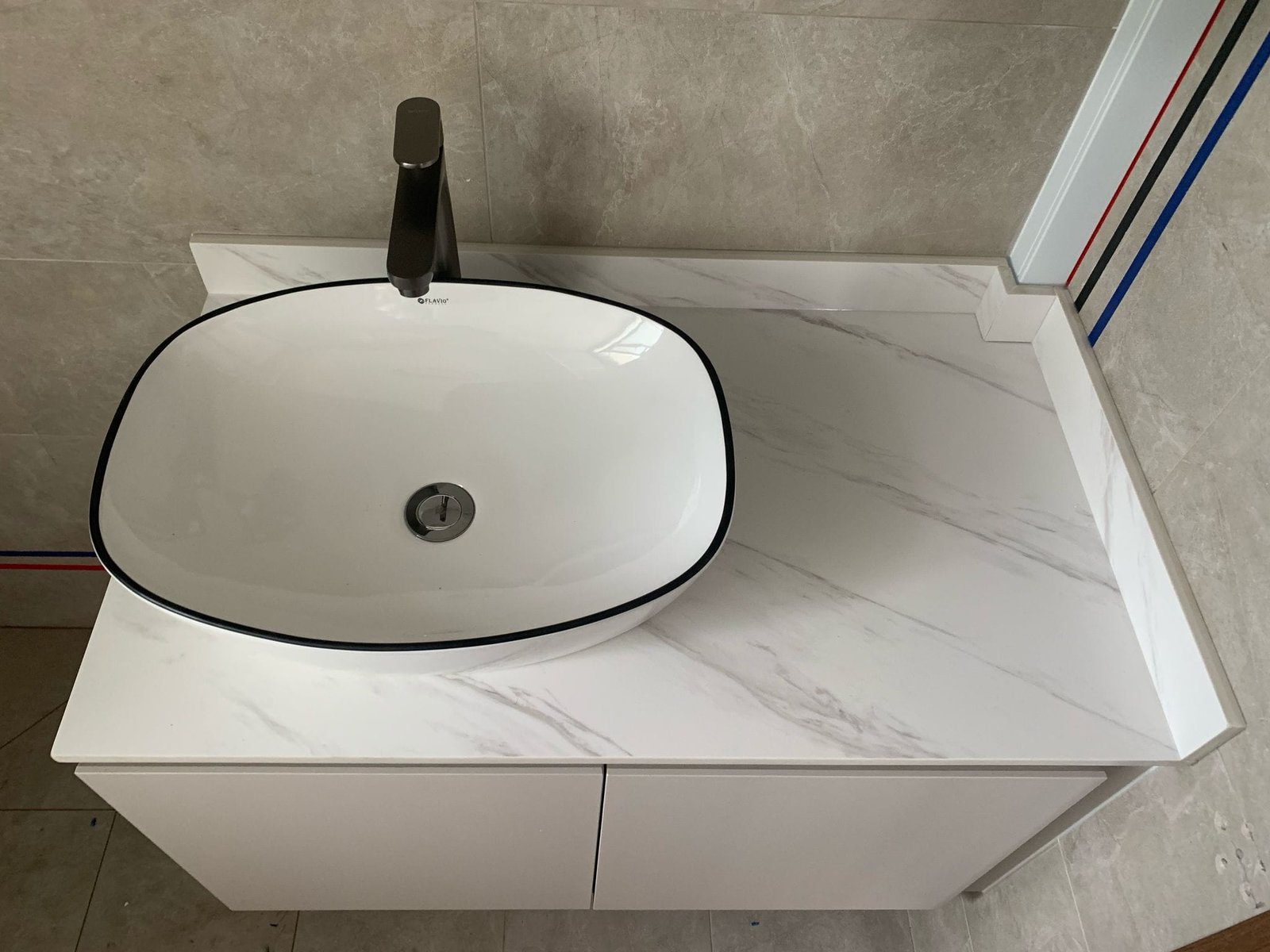
Attention should concentrate where replacement is hardest. Glass, mirrors, stone, high-gloss lacquer panels, large veneer panels, motorised furniture and oversized components are more fragile, more expensive and slower to replace, so they justify a different level of scrutiny from an internal shelf.
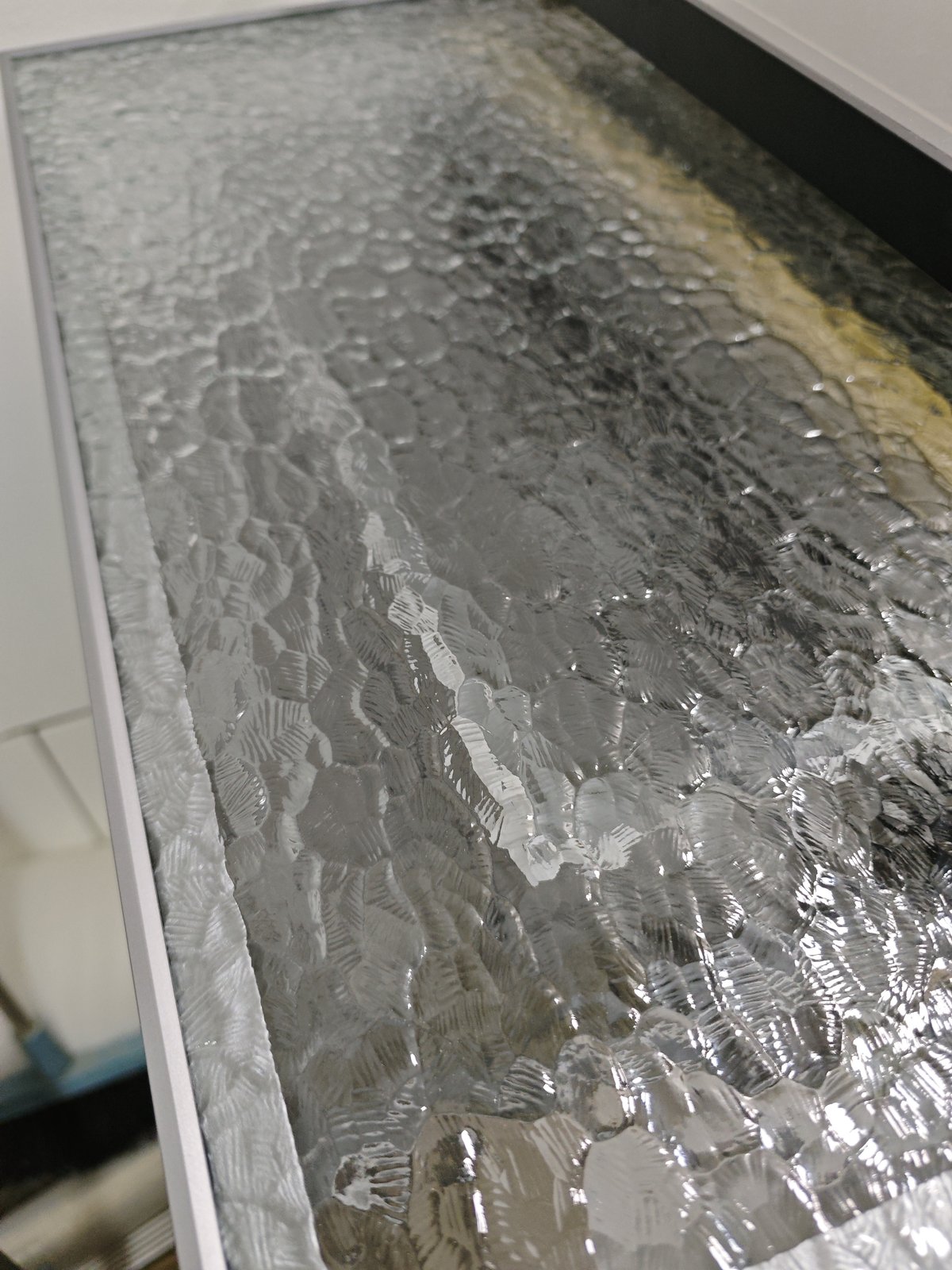
Each material also fails in its own way. Lacquered panels show edge chips, pressure marks, deep scratches and gloss damage, and selected defects may later suit local spray-paint rectification. Natural veneer carries grain, tone and sequence, so a deep scratch is far harder to make invisible and a replacement is harder to match. Glass packages warn through broken corner protection, impacted crates, rattling or a visible crack — a closed outer carton is no proof the glass inside survived. Stone can be stopped entirely by a crack or broken mitre, and discovering that at site often leaves the installation team with no alternative work at all.
Moisture Needs Its Own Treatment
Water stains, dampness, condensation or an unusual odour call for controlled investigation rather than a note and a shrug. Depending on the material, that means checking edges, back panels, hardware and the packaging interior as well as the visible face — and a package with a moisture concern should not simply be left to dry quietly in the warehouse without a record.
The distinction that matters is between a superficial packaging water mark and actual substrate damage. If a timber-based panel has swollen, warped or delaminated, surface treatment will not restore dimensional or structural stability and replacement is likely. Early oxidation on exposed screws, hinges, brackets or connectors is worth treating as a warning sign that the whole package deserves a closer look.
Wrong Is Also a Defect
Not every receiving problem is physical damage. Wrong size, wrong colour, wrong furniture code, wrong room allocation, wrong hardware set and missing components all belong in the same hold-and-tag system, because a flawless item delivered to the wrong room type still stops the installation.
Missing parts should be logged the day they are noticed, with what is missing, which furniture set it belongs to, the quantity and the factory reference. Hardware shortages are the easiest to miss and among the most disruptive: hinges, mounting plates, brackets, connectors, shelf pins and LED drivers are small enough to overlook and decisive enough to leave an otherwise complete room unfinishable.
Defect Status Should Drive Room Readiness
A furniture package can be physically received and still not be installation-ready. WD01 carcass complete, Door 2 in quarantine, hardware complete — that room is partial or hold, not received. Feeding defect status into room readiness is what stops the warehouse releasing a set that cannot be finished.
If a component with a known defect is intentionally sent to site for temporary installation, that decision should be documented. Otherwise the site team will reasonably assume the damage happened during installation, that the warehouse missed it, or that no replacement is coming.
Early Detection Is Really a Time Advantage
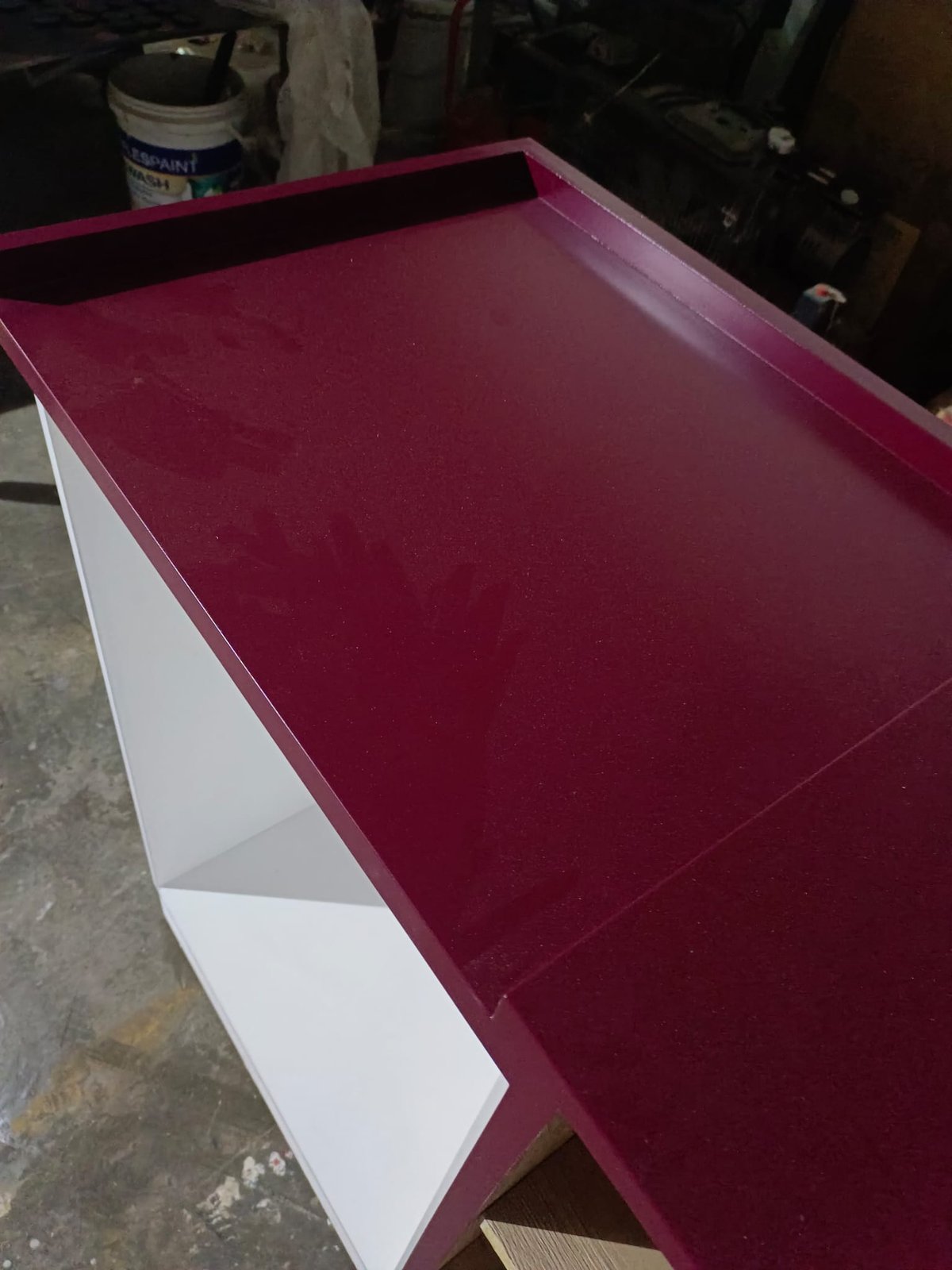
The practical benefit of catching a defect at receiving is that the rectification can happen while nobody is waiting. A repairable chip on a lacquer door can be identified at receiving, removed from the room kit, sent for local spray-paint rectification, returned to the warehouse and released with the correct installation batch — and the room may never experience a delay at all.
Depending on the issue, local workshop rectification can also cover minor panel modification, edge repair, hardware correction and filler adjustment. The objective is to hand the installation team a usable component. Visible premium finishes should only be modified where the final quality can genuinely be maintained; where it cannot, the defect record should give the overseas factory enough information to act — furniture code, panel code, dimensions, finish, orientation, quantity, photographs and required priority.
Replacements Need Their Own Track
A factory replacement should reference the defect number rather than being described as “one new wardrobe door”, so that when it arrives in Singapore the warehouse can immediately reconnect it to the outstanding item. A replacement register can then follow defect reference, factory confirmation, production status, shipping date, Singapore arrival, warehouse receipt, site delivery, reinstallation and final closure.
Replacement components are usually small in quantity, which makes them easy to lose inside a large warehouse. A dedicated replacement zone keeps them visible until the site is ready, the installer is scheduled and the defect can actually be closed.
Records Support Fair Assessment, Not Argument
Proper records help establish whether a defect arose during overseas packing, freight, local logistics or warehouse handling. The purpose is not to manufacture disputes — it is to give everyone enough evidence for a fair assessment instead of guesswork. Where furniture moves container to warehouse, warehouse to truck, truck to site and site to room, a basic condition acknowledgement at the high-value transfer points establishes when custody changed.
Warehouse handling can create new damage too, so inspection is not only about what arrived. Forklift impact, incorrect stacking, dragging cartons, leaning panels badly and crushing lower cartons are all local risks. Stacking should follow weight, fragility, orientation and the manufacturer’s handling marks rather than carton size — a large carton may hold a light panel while a small crate holds stone or steel — and orientation markings deserve respect, because turning a package the wrong way can put load directly onto a finished face, glass or decorative trim.
Read the Pattern, Not Just the Item
One crushed corner may be an accident. Forty cartons from the same container showing similar compression is a loading, crate design, stacking or restraint problem. If the same lacquer door edge keeps arriving chipped, the question is about corner protection, panel design or factory handling rather than about that particular door.
This is where receiving inspection stops being damage reporting and becomes production feedback. Repeated edge damage suggests increased corner protection; loose hardware inside cartons suggests better internal compartment packing; rattling glass suggests improved restraint. On a project with many containers still to come, reviewing the first shipment carefully — packaging quality, label clarity, crate design, hardware grouping, damage pattern — can improve every shipment after it while production is still running.
Record Before Repair, and Again After
Once a component is repaired the original condition is gone, so the defect photograph has to come before any touch-up, respray, edge repair or glass replacement. Capturing the after condition as well shows that the item was repaired, passed quality control and returned to installation-ready status — which matters when the same panel is inspected again months later during DLP.
A rectified panel must also return to its original identity. It should not become “one repaired white door” in a corner of the warehouse; it should go back to Project A / Unit 15-08 / WD03 / Door 2. And it needs proper repacking, because a freshly resprayed door damaged on its way back to the warehouse means the entire rectification was wasted.
Scale Changes the Emphasis
A hotel project may receive thousands of wardrobe panels, headboards, minibars, desks and loose items, where even a one percent damage rate produces a large number of outstanding items. Without a structured register, replacements go missing, room references get mixed and crews return to the same room repeatedly.
Luxury residential work needs stronger visual records instead of volume control, because a bespoke panel may be effectively unique and any replacement has to reproduce a specific finish, grain, orientation and room context. Commercial fit-out needs programme-based prioritisation — a damaged boardroom credenza may matter far less than a reception counter needed for an opening event next week.
In every case, receiving is only the first Singapore checkpoint. The same condition discipline should continue through site delivery, unpacking, installation, protection and handover, which connects directly to how components were received and identified in the first place — see container unloading and FF&E receiving for that earlier stage.
How Rongda Pacific Supports Defect Control
Depending on project requirements, Rongda Pacific Pte Ltd can support container receiving coordination, warehouse unloading, package verification and identification, furniture condition inspection, packaging damage review, moisture-related inspection, defect photography, defect tagging, quarantine control, furniture defect registers, local carpentry rectification, in-house spray-paint rectification, stone rectification coordination, glass replacement coordination, overseas factory technical feedback, replacement-part tracking, room and furniture reallocation, site delivery, imported furniture installation, final QC and DLP support.
Frequently Asked Questions
Why is a quarantine area necessary if the defect is already recorded?
Because a record alone does not physically stop the package being picked. Isolating it is what prevents a known defect being released to site inside an otherwise complete room kit.
Why should a defect carry a reference number?
So the package tag, the register, the photographs and the factory communication all describe the same object — and so a replacement arriving months later can be reconnected to the right room.
Does every carton need to be opened?
No. Inspection can be risk-based, using packaging condition, sampling and targeted opening rather than removing factory protection from everything.
What should a defect photo set contain?
The overall package, the label, the whole component for orientation, the defect close-up, and a scale reference where the size of the damage affects the decision.
Can damaged lacquer furniture be repaired locally?
Selected scratches, chips and surface defects may be suitable for local spray-paint rectification, depending on the finish, severity and the final quality required.
How do replacement parts get tracked back to the right room?
Through the original defect reference, which stays attached to the furniture and room identity from inspection through production, delivery, reinstallation and closure.