
A hotel may contain 300 rooms. A serviced apartment development may repeat hundreds of furniture packages. When the installation programme becomes large, another challenge appears: how does the project team know exactly what has been installed, inspected, rectified and formally handed over in every room? Without a structured close-out system, the final stage becomes confusing fast.
One room may be complete; another missing a shelf; a third waiting for a replacement glass panel in transit; a fourth installed but not inspected; a fifth rectified but not updated on the register. For imported FF&E, the final handover stage needs the same control as receiving, warehousing and installation. The objective is simple: every furniture item should move from delivered → installed → inspected → closed in a traceable way.
Why Room-by-Room Handover Matters
A single hotel room may include a wardrobe, bedside tables, headboard, desk, TV panel, minibar cabinet, vanity, loose chair, decorative mirror and integrated lighting. Across 250 similar rooms that is thousands of individual FF&E components. A statement such as “Level 8 is almost done” is not detailed enough.
The project team needs to know:
- Which rooms are completed
- Which are still under installation
- Which items have defects
- Which replacement parts are outstanding
- Which rooms passed final inspection
- Which rooms are ready for operational handover
A Furniture Schedule Should Follow the Project to Handover
Furniture schedules are usually created during design and procurement — furniture code, description, quantity, room type, finish, supplier and drawing reference. The same schedule can also become an installation-control document by adding status fields: received, delivered, installed, inspected, defect found, rectified, replacement required and final acceptance. This creates one line of visibility from supply to handover, instead of separate disconnected lists.
Asset Tagging Can Help Large FF&E Projects
For suitable projects, furniture can be assigned a unique asset reference identifying project, building, floor, room, furniture type and item number. For example, HTL-A-L12-R1208-WD01 could represent Hotel A, Level 12, Room 1208, Wardrobe 01. The exact coding depends on the project; the important point is consistency.
One reference can then be used across:
- Packing lists
- Warehouse records
- Delivery records
- Installation reports
- Defect lists
- Replacement-part requests
- Final handover documentation
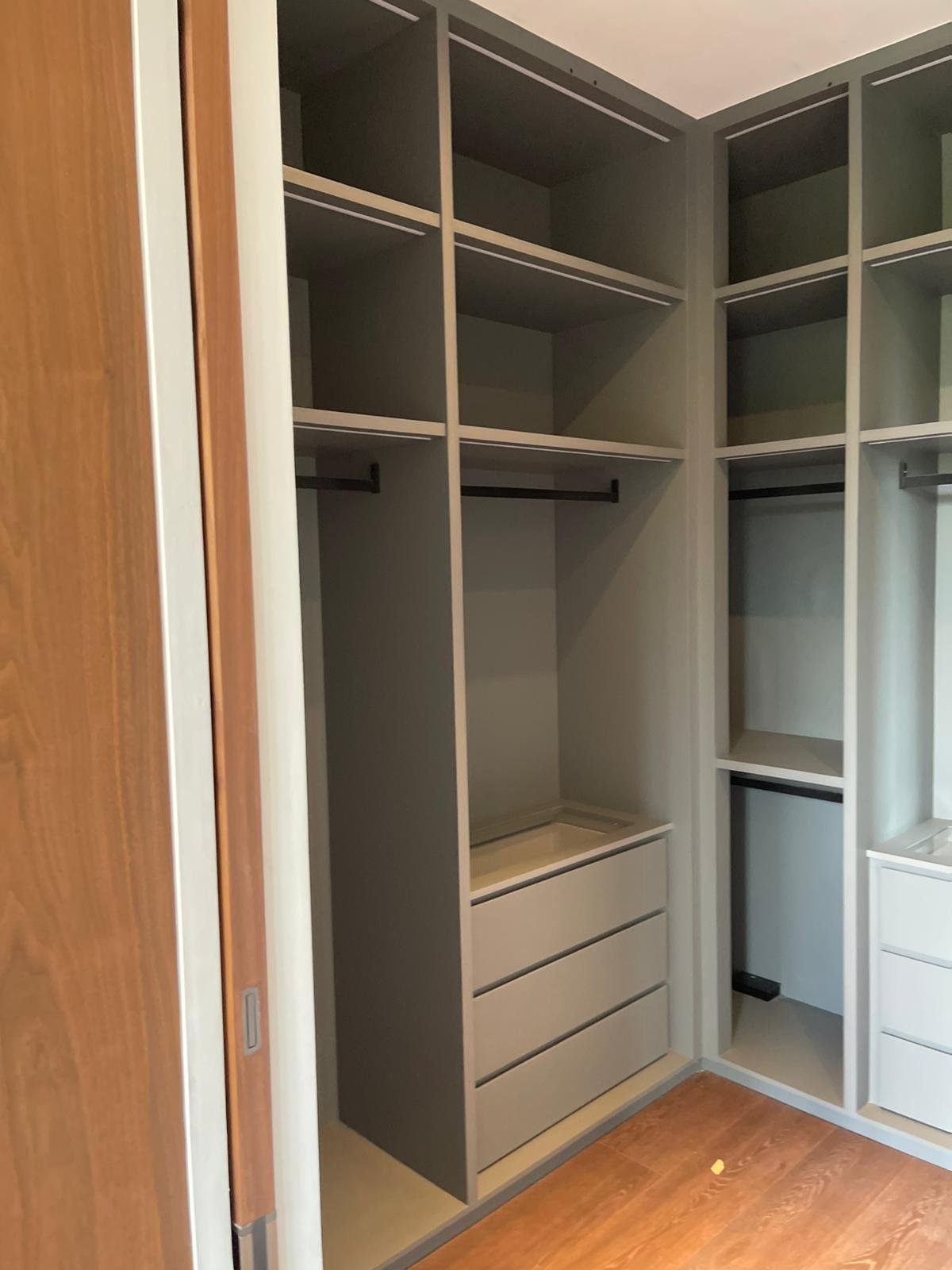
Asset tags do not need to be visually obtrusive. Identification can sit inside cabinet carcasses, behind removable access panels, inside drawers or within digital records rather than on visible finished surfaces. A QR code or barcode can link to the furniture reference, room, manufacturer, drawing, installation status, defect history and maintenance information — useful for hotels, serviced apartments, student accommodation, offices and large residential developments. But the system must stay simple enough to maintain: a basic register that is consistently updated beats a complex one nobody touches.
Define Installation Status — “Done” Is Not Enough
One installer may call a wardrobe complete because the cabinet is standing; a project manager may consider it incomplete because doors are not adjusted, the LED is not connected, protective film remains or a handle is missing. Clear stages remove the ambiguity.
Installation is a production activity; acceptance is a quality-control activity. A furniture item can be installed but still have alignment issues, scratches, incorrect hardware, poor silicone, lighting problems or incomplete making good. Final acceptance should follow inspection — especially when main contractors, suppliers, installers, designers and owners have different responsibilities.
Organise Snagging, Defects and Replacements by Room
For large projects, defects are far easier to manage by room than in one project-wide list of hundreds of unrelated items. Room 1508 might read: wardrobe — door gap uneven; TV panel — complete; desk — complete; minibar — replacement hinge required; vanity — stone joint pending. The room becomes the basic unit of completion, which suits projects where the operator or client takes possession room by room.
Each defect should carry a unique reference — D-1508-03 for defect 3 in Room 1508 — recorded with the room, furniture item, description, photo, responsible party, rectification status, replacement requirement and closure date. Replacement parts should link back to the original asset (Replacement Part RP-027 for Room 1508 — Wardrobe WD01 — Door P04) so the team can track what generated the replacement, whether it arrived, whether it was installed and whether the original defect was closed.
Hotels, Apartments, Offices — One Unit of Completion
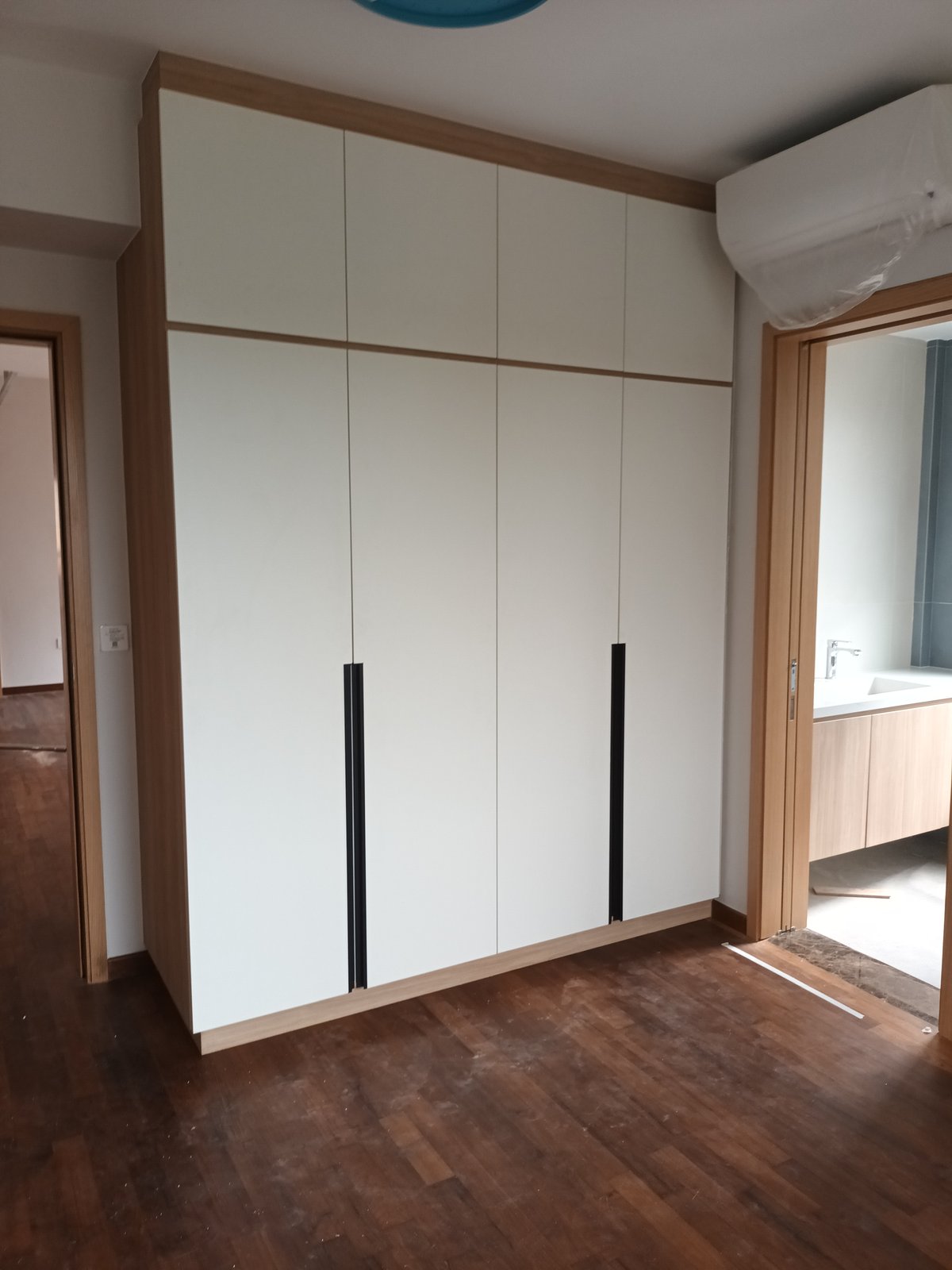
A hotel operator does not only need to know “installation is 92% complete” — they need to know which actual rooms are ready to reopen: complete, functional, clean and defect-free or accepted per procedure. Room-by-room close-out connects construction progress with operations. Serviced apartments and residential units work the same way (Unit 09-03 — 100% complete, snagging closed; Unit 09-04 — replacement wardrobe panel outstanding), while offices track by floor, zone, meeting room, pantry or reception instead of room.
Handover Documentation Supports Future Maintenance
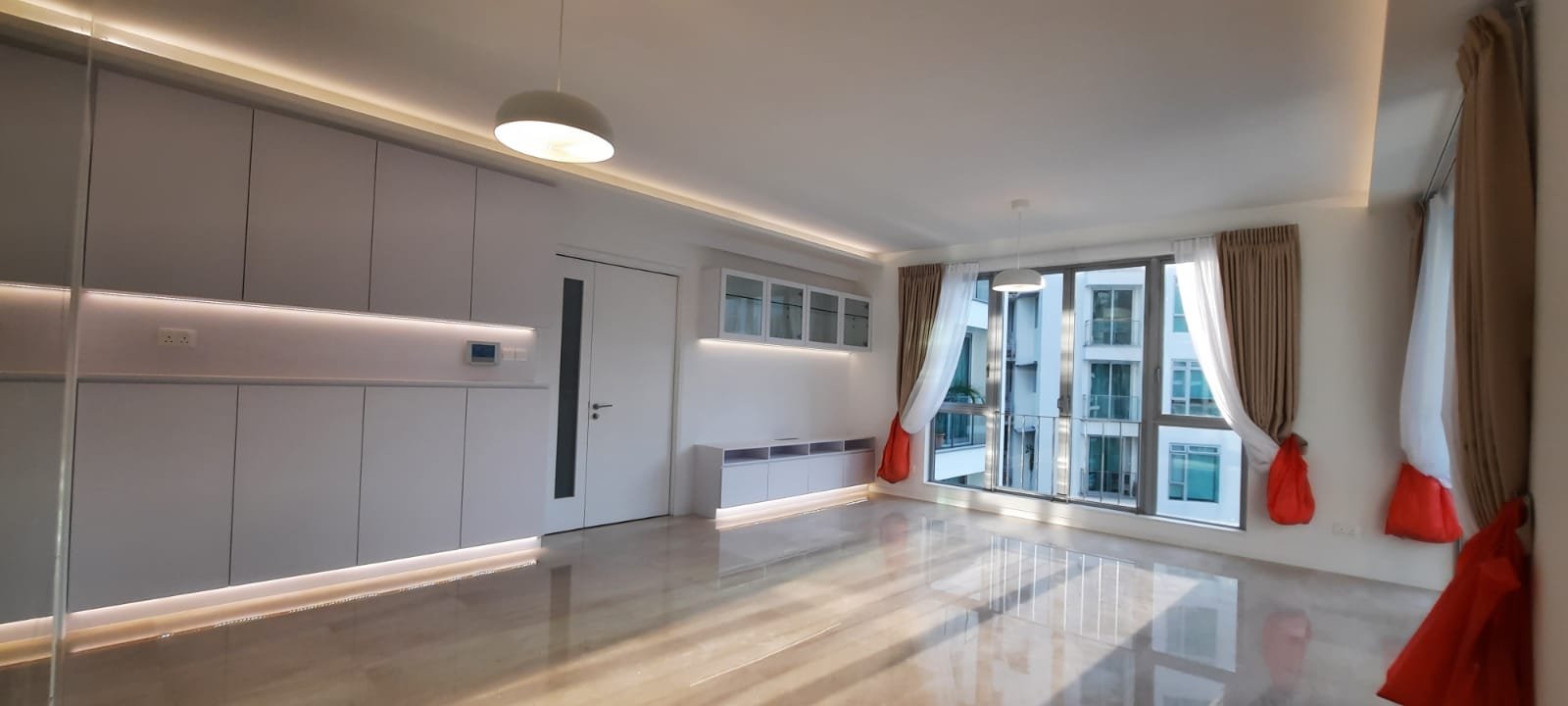
Good FF&E handover documentation stays useful long after construction. If a wardrobe hinge fails two years later and the facilities team can identify the furniture code, room, hardware model, supplier and original drawing, maintenance becomes far easier — the same applies to LED drivers, motorised fittings, drawer runners, glass doors and stone components. Where useful, handover information can record access-panel and driver locations, removable panels and service instructions so future technicians do not dismantle finished furniture unnecessarily.
Photographic close-out is valuable too, but a marketing photo is not a handover record. A close-out record may need detailed images of cabinet door gaps, stone joints, hardware, asset labels, internal access areas and specific defect closures — technical documentation, not only presentation. And a room is not ready if it still contains sawdust, packaging, fingerprints, protective film or loose hardware: final cleaning and controlled protective-film removal are part of handover, coordinated with the overall programme so protection is not removed too early or left on during final inspection.
A Practical FF&E Close-Out Workflow
How Rongda Pacific Supports FF&E Handover & Close-Out
Depending on project requirements, Rongda Pacific Pte Ltd can support imported-furniture receiving coordination, furniture identification, room-by-room allocation, staged delivery, professional installation, furniture-schedule coordination, asset-reference tracking, room-based snagging, defect documentation, local rectification, replacement-part coordination, stone rectification, glass and metal coordination, Builder’s Works, making good, final inspection and handover support. The objective is not only to install furniture — it is to help the project reach a clearly defined and documentable completion.
Frequently Asked Questions
What is FF&E handover?
The process of confirming that furniture, fixtures and equipment have been installed, inspected, rectified where necessary and formally accepted according to the project requirements.
Why is room-by-room handover useful?
It lets the project team know exactly which rooms are complete and which still contain outstanding defects or replacement items.
What is furniture asset tagging?
Assigning a unique reference to a furniture item so it can be tracked across installation, defects, replacement and future maintenance.
Does every project need QR codes?
No. QR codes suit large or digitally managed projects, but a well-maintained simple coding and register system may also be sufficient.
Can asset tags be hidden?
Yes. In luxury furniture, identification can be placed in discreet internal locations or maintained digitally.
Can hotel rooms be handed over progressively?
Yes. Room-by-room or floor-by-floor handover is common where completed areas are released progressively.
Can handover records help future maintenance?
Yes. Furniture references, hardware information, maintenance-access locations and supplier details make future servicing easier.