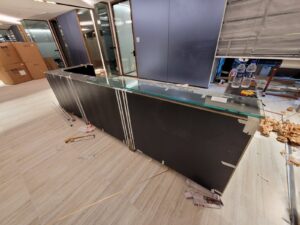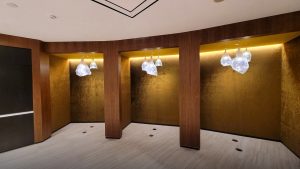
Professional installation begins before the first cabinet is moved into place. Protecting completed floors, walls, glazing and access routes is essential because damage to an existing finish may cost more to repair than the furniture itself.
Related service: FF&E installation services in Singapore.
Site Protection Comes Before Installation
Furniture installation is often assumed to begin when the first cabinet arrives on site. In practice, a professional team begins by inspecting the work area, confirming the delivery route and protecting all vulnerable surfaces.
In luxury homes, hotels and commercial developments, completed finishes may be exceptionally valuable. A scratched marble floor, chipped stone step or damaged glass partition can result in costly repairs, programme delays and disputes between trades. Rongda Pacific Pte Ltd therefore treats protection as a core part of the installation scope, not as an optional extra.
Why Protection Matters
Installation involves repeated movement of cabinetry, worktops, glass panels, timber panels, aluminium profiles, tools, trolleys and access equipment. Without suitable protection, each movement creates a risk of scratches, impact damage, staining or excessive point loading.
Effective protection helps to reduce:
- Repair and replacement costs
- Delays to the project programme
- Client complaints and trade disputes
- Slip, trip and handling hazards
Which Areas Need Protection?
Protection requirements vary by project, but commonly include marble, granite, engineered timber, vinyl, tile and carpet flooring; painted, wallpapered, timber, glass and stone wall finishes; and shared areas such as lifts, lift lobbies, corridors, staircases and entrance doors.
A complete protection plan must cover both the installation area and every route used to unload, transport and position materials.
Protection Must Be Installed Before Delivery
Before delivery begins, the team inspects the site, records the condition of completed finishes, confirms unloading points, identifies turning and staging areas, and protects the delivery route. Floors, corners, doors and lift interiors should be covered before materials or equipment enter the building.
Heavy Materials Need Additional Measures
Quartz and stone worktops, oversized wardrobes, mirrors and glass display cabinets impose substantial loads and can be difficult to manoeuvre. Rigid protection boards, load-spreading layers and controlled handling methods help prevent scratches, dents and impact damage while materials are moved into position.
Commercial Projects Require Consistent Standards
Hotels, offices, healthcare facilities and retail projects often involve several contractors working at the same time. A clearly managed protection system reduces conflicts between trades, supports safe movement through the site and helps preserve completed work until handover.
Protection Remains in Place Until the Work Is Complete
Protection should not be removed immediately after delivery. It should remain in place throughout cabinet, stone, glass and finishing works, and only be removed after final cleaning, inspection and approval of the relevant areas.
Rongda Pacific’s Protection Standards
Our installation planning covers floor, wall, door, staircase, lift and common-area protection; delivery-route planning; controlled material handling; housekeeping; and final removal of protection. The exact system is selected to suit the finishes, loads, access conditions and project requirements.
Why Clients Value Professional Protection
Protection is a practical form of risk management. It helps preserve high-value finishes, reduce remedial work, maintain the project programme and give clients confidence that their property is being handled responsibly.
Frequently Asked Questions
Why is floor protection necessary?
Heavy furniture, tools and access equipment can scratch, dent or crack completed flooring if loads and movement are not properly controlled.
Is site protection only necessary in luxury homes?
No. Appropriate protection is recommended for residential, commercial, hospitality and institutional projects of every size.
Does Rongda Pacific supply and install protection materials?
Yes. Protection planning and installation can form part of our project workflow, subject to the agreed scope and site requirements.
Do you protect common areas as well as the work area?
Yes. Where required, we protect lifts, lift lobbies, corridors, doors and other shared access routes used during delivery and installation.