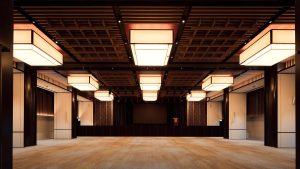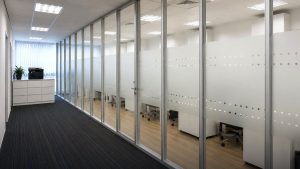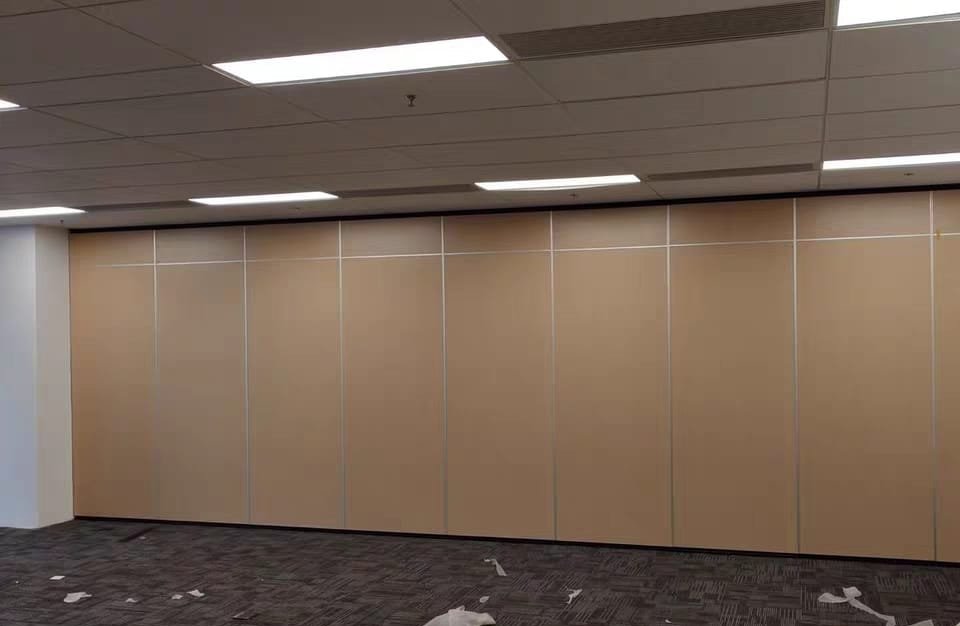
An operable wall that becomes difficult to move is more than an inconvenience. In a hotel ballroom it delays room preparation between functions. In a conference centre a panel that will not close properly can stop adjoining rooms being used independently. The question a facilities manager actually has to answer is narrower than “is it broken”: does this need adjustment, a replacement component, or a wider investigation?
These systems contain moving carriers, overhead tracks, retractable seals, closure mechanisms and, in some configurations, integrated doors. Each component has to work with the others. A small alignment problem can affect panel movement, while an incorrectly engaged seal can make an otherwise serviceable wall appear defective.
So servicing should begin with a controlled inspection of the complete system rather than the immediate replacement of whichever component looks worn. The objective is to restore safe, predictable operation, identify developing faults, and document anything that needs further technical assessment.
Four subsystems, plus a fifth where the wall contains a pass door. A complaint about “the wall” almost always traces to one of them — and treating the wrong one is how a maintenance fault becomes damage.
The first inspection should reproduce the reported problem
A useful service inspection starts with the operator’s description of what changed. Does the wall become difficult to move at a particular track junction? Does the final panel stop short of the wall post? Is a seal handle unusually stiff? These observations separate a localised fault from a problem affecting the entire partition.
The technician should then observe the complete opening and closing sequence under controlled conditions. Each panel is moved through its intended route, positioned, sealed and returned to the stacking area. Note unusual resistance, noise, visible movement at the track, inconsistent panel gaps and difficulty operating the closing mechanisms. If a serious defect is suspected, stop rather than continuing the test.
Where the fault happens matters as much as what it is. A panel that sticks at the same point on the track as every other panel points somewhere different from one panel that resists along its whole route. Recording the panel identification and the fault location is what stops a carrier being replaced when the real problem is a track joint or an obstruction.
For an existing installation, Rongda’s operable walls and acoustic partitions service covers inspection, adjustment and repair of the moving components and sealing interfaces. The assessment determines the repair scope rather than assuming every complaint needs a replacement.
Track resistance is a symptom, not a diagnosis
The overhead track carries the moving panels and guides them between their deployed positions and the stacking area. Its running surfaces, joints, intersections and supporting fixings all have to remain suitable for the installed system. Resistance develops when debris accumulates, when track joints go out of alignment, or when components are damaged through repeated operation.
Cleaning is often part of maintenance, but it has to follow the system manufacturer’s instructions. Different track and carrier designs have different cleaning and lubrication requirements, and an unsuitable lubricant attracts dirt, affects movement and creates a second maintenance problem on top of the first. Identify the system before deciding what goes on it.
Track inspection also has to consider the supporting arrangement above the ceiling. Visible movement, distorted track sections, damaged connections or suspected structural defects are not ordinary cleaning issues. They may require the system to be taken out of use while the relevant specialist investigates. Where structural adequacy is in question, that assessment belongs to the appropriately qualified structural professional, not to a maintenance adjustment.
Both end with the wall moving again on the day. Only one of them stops the same call coming back after the next event.
- Panel drags → replace the carrier.
- Gap under the wall → wind the bottom seal down further.
- End panel will not close → replace the end seal.
- Door will not latch → replace the lock.
- Report says “wall serviced”.
- Panel drags → check whether it drags at one track position or along its whole route.
- Gap under the wall → measure the seal against the actual floor before adjusting it.
- End panel will not close → check the whole closing sequence, not the last panel.
- Door will not latch → check hinge wear, host-panel alignment and closure pressure first.
- Report names the system, the panels, what was adjusted and what is still open.
Worn carriers and incorrect panel levels affect the entire wall
Carriers, sometimes called trolleys, support the panels as they travel along the overhead track. Their condition influences movement, panel alignment and the way adjacent panels meet when the wall is closed. A worn carrier creates additional rolling resistance, abnormal noise or uneven movement, and loose or incorrectly adjusted suspension components can leave a panel hanging out of level.
Panel alignment has to be assessed across the complete partition rather than one panel at a time. A panel slightly out of position affects the engagement of its neighbour, the final closure, and the relationship between the bottom seal and the finished floor. Correcting the visible gap without identifying the cause just moves the problem along the wall.
Where adjustment is permitted by the manufacturer’s procedure, a competent technician can check the suspension arrangement, carrier condition and panel position. Damaged carriers may need replacement with compatible components, and replacement should be followed by testing through the complete track route, including junctions and stacking movements.
Not every uneven panel means a failed carrier. Changes to the floor, settlement at adjoining finishes or movement in the supporting construction produce similar symptoms. The service report should separate confirmed component wear from suspected building-interface problems, particularly where replacement parts are being recommended.
Top and bottom seals must engage without being dragged
Operable walls rely on sealing arrangements to close the gaps between the panels and the surrounding construction. Depending on the system these may be retractable top and bottom seals, fixed contact seals, automatic mechanisms or adjustable components. How they operate has to be understood before anything is adjusted.
The common complaint is that the bottom seal no longer makes consistent contact with the floor. The cause may be incorrect adjustment, worn sealing material, a defective operating mechanism, or a change in the floor level. Simply extending the seal further is not always the answer: excessive contact increases operating resistance and damages the seal when the panel is moved.
The correct procedure is to inspect the sealing material, the operating mechanism and the actual floor clearance before adjusting anything. Where replacement is necessary, the new component has to be compatible with the existing panel and mechanism. Confirm that the seal engages when the wall is deployed and retracts correctly before movement.
One operating rule matters more than the rest: panels with retractable seals must not be moved while those seals are still engaged. Manufacturer instructions are explicit about this. Staff who repeatedly drag an engaged seal across the floor will wear it out early even where the wall was installed correctly.
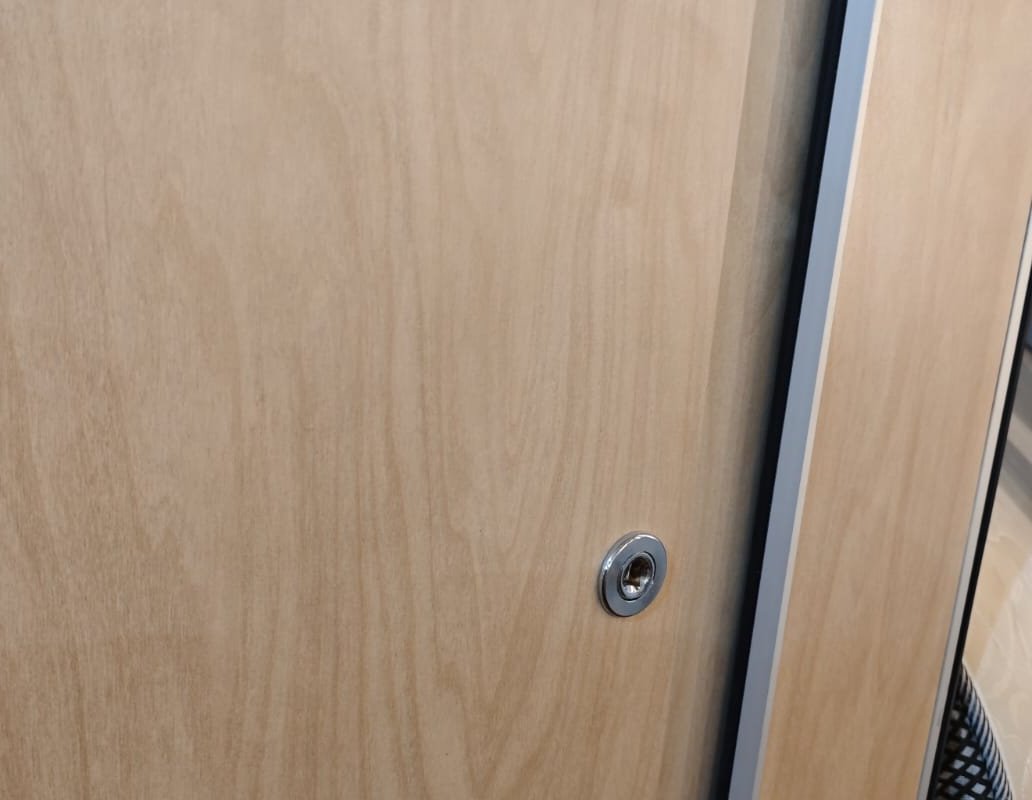
End closures and vertical joints need a complete closing sequence
The final closure brings the deployed partition into contact with its receiving wall or jamb. Some systems use an expanding closure mechanism; others use a different arrangement of interlocking panels and seals. A gap at this location affects privacy even when the intermediate panels appear correctly aligned.
An end gap should not automatically be treated as a defective seal. It can come from the preceding panels being positioned incorrectly, a closure mechanism that is not fully engaged, an out-of-plumb wall post, or a change in the relationship between the partition and the surrounding construction. The entire closing sequence has to be checked.
During servicing, inspect the end closure, operating handle, receiving post, adjacent panel edges and the associated seals. The mechanism should engage without abnormal force and the final panel should return to its intended position consistently. Document damaged parts or excessive wear before proposing replacement.
One distinction is worth stating plainly: visual closure is not acoustic performance. A continuous-looking joint is a useful operational observation, but it does not establish an installed acoustic rating. Where formal verification is required, the project’s acoustic consultant determines the assessment method and the acceptance criteria.
A pass door adds another set of moving components
Some operable-wall systems incorporate a pass door so people can move between divided spaces without opening the entire partition. That introduces hinges, latches, locks, handles, thresholds and additional sealing interfaces. The door has to function correctly while staying compatible with the surrounding movable panels.
A pass door that becomes difficult to latch may be affected by hinge adjustment, striker alignment, panel movement or pressure from the adjoining closure mechanism. Replacing the lock without checking those relationships often will not resolve it. In the same way, a door leaf rubbing against its frame can indicate a problem with the door or with the alignment of the panel carrying it.
Servicing should include opening and closing the door, checking latch engagement, inspecting the hinges and assessing the threshold seal. Where the system includes floor bolts or other stabilising hardware, check those against the manufacturer’s operating instructions. The door also has to be secured in the correct position before the panel goes back into storage.
Building managers should keep the original operating instructions and make sure staff know the required sequence. Door hardware adjustment is maintenance; whether an existing doorway satisfies a project’s fire-safety or accessibility requirements is a separate question for the relevant qualified consultants and the authorities.
Floor and ceiling alterations can undo earlier adjustments
An operable wall can run correctly for years and then start misbehaving after unrelated renovation works. New floor finishes, raised-floor adjustments or replacement ceiling components change the clearances the original installation relied on. The wall itself may not have suffered any component failure at all.
A change in finished floor level matters most to the bottom seals. A seal set for the previous floor may no longer reach the new surface, or it may press too hard. Uneven floor transitions create different conditions along the partition line, which is why a single adjustment across the whole wall often does not work.
Ceiling works create a second set of problems. Alterations near the track can obstruct access, interfere with panel movement or change the head detail. Any suspected movement in the structural support should be investigated by the appropriate professional before the system goes back into normal use.
Facilities managers planning a refurbishment should identify existing operable walls during the design stage. The overview of operable and movable partition walls explains how track support, stacking space and surrounding finishes interact during installation. Those same interfaces need protecting when an existing room is altered.
| What the operator reports | What it can actually be | Who decides |
|---|---|---|
| Panel drags at one point | Debris or a misaligned joint at that track position; a damaged track section | Service technician |
| One panel drags everywhere | Worn carrier, loose suspension, or a panel sitting low at one end | Service technician |
| Gap under the closed wall | Worn seal, wrong adjustment, failed operating mechanism, or a changed floor level | Service technician; the floor change may be a building-interface issue |
| Track visibly moves | Supporting structure above the ceiling | Qualified structural professional — stop using the wall |
| Sound passes between rooms | Seal engagement, panel alignment, end closure — or a flanking path that has nothing to do with the wall | Acoustic consultant sets the criteria and the test |
Maintenance frequency should reflect actual operating conditions
There is no useful universal servicing interval. A partition used occasionally in a corporate training room is not working under the same conditions as a ballroom wall that is opened, closed and reconfigured several times a week. Panel size, track complexity, operator training and previous maintenance history all shift the right answer.
Annual servicing is a common starting point for normal use, as noted on Rongda’s existing service page. High-use venues often benefit from more frequent checks. The manufacturer’s instructions and the actual condition of the installation should take precedence over any generic schedule.
Routine operator observations should sit alongside planned servicing. Staff can report changes in movement, unusual sounds, damaged finishes, incomplete seal engagement and missing operating tools. They should not be adjusting suspension components or dismantling mechanisms without the training and authorisation to do it.
The order is the point. Each step narrows what the next one has to consider, and skipping to replacement is what produces repeat visits.
Steps that cannot be completed — because the room was unavailable, or because a structural or acoustic question is open — belong in the report, not in the gaps.
A service report should separate adjustment from replacement
A service visit is most useful when the report tells the building owner what was found, what was corrected and what remains unresolved. “The wall was serviced” helps nobody when the same problem returns during the next event.
The report should identify the affected system and panels, describe the observed symptoms, and record the condition of the track, carriers, seals and closure hardware. It should distinguish cleaning and adjustment completed during the visit from components recommended for replacement, and state the reason wherever further investigation is required.
Replacement decisions have to consider component compatibility and availability. An older wall may contain hardware that is no longer readily obtainable, and a visually similar wheel, handle or seal is not necessarily suitable for the original mechanism. Assess substitution against the system’s technical requirements, not against appearance.
What a service report has to keep separate:
- Adjustments completed on the day, against components recommended for replacement.
- Confirmed component wear, against suspected building-interface problems such as a changed floor level.
- What was tested through a complete operating cycle, against what could not be tested because the room was in use.
- Operational repair, against work that belongs to a structural or acoustic specialist.
- The limits of the inspection: routine servicing does not include concealed structural investigation, formal acoustic testing or certification.
Servicing an occupied venue requires a controlled handback
Hotels, conference centres and training facilities usually need maintenance while the building keeps operating. The work has to be planned around access, event preparation, circulation routes and the availability of the room for testing. An inspection that cannot include a complete operating cycle leaves faults unverified.
Agree in advance which spaces can be taken out of use, how the stacking area will be protected, and whether access above the ceiling is needed. Loose materials, tools and replacement components have to be controlled so the work does not interfere with occupants or venue operations, and overhead access needs its own planning.
The related article on dust and noise control during A&A works in live buildings explains the wider coordination issues that come up when construction activity happens in occupied premises. The same principle applies to partition servicing: the repair scope has to fit the building’s operating conditions.
Before handback, the technician should demonstrate the agreed operating sequence, confirm that the repaired components function as intended, and explain any outstanding restrictions. The facilities representative should leave with the service record and a clear answer on whether the wall is fully available or still subject to further investigation.
How Rongda Pacific Approaches Operable-Wall Servicing
We service and repair operable walls as part of the partition installation and fit-out work we already do, which means we arrive knowing how these systems go in, not only how they come apart. A visit may cover track and carrier inspection, cleaning, component replacement, panel re-levelling, seal adjustment, end-closure servicing and pass-door hardware. What you actually need depends on the installed system and on what the first assessment finds.
Before we come out, the information that saves a wasted visit is the building type and location, photographs of the wall and the stacking area, the original operating manual if you still have it, roughly how often the wall gets used, and a description of the fault. Send a short video of the problem if you can — it usually tells us which part of the operating sequence to look at first.
Where the issue runs into structural support or a specified acoustic performance, we coordinate with the relevant qualified professionals rather than working around them. We are not the project’s structural or acoustic certifier, and we will say so rather than give you an answer we are not entitled to give. What you get from us is a practical repair scope, the agreed works carried out, and records of what we inspected and what we adjusted.
Frequently Asked Questions
How often should an operable wall be serviced?
Annual servicing is a common starting point under normal operating conditions. Systems used frequently in hotel ballrooms, conference centres or event venues may need more regular inspections. The right interval depends on the manufacturer’s maintenance instructions, usage frequency, system condition and previous faults. Operators should also report abnormal movement or seal problems between scheduled inspections rather than waiting.
Why is my movable partition wall difficult to push?
Common causes are debris in the track, damaged carriers, misaligned track joints, incorrect panel alignment, or seals that have not been fully retracted. Assess the fault before replacing components. Do not force the panel, particularly if movement suddenly becomes difficult or the track or supporting structure appears damaged.
Can damaged operable-wall wheels or carriers be replaced?
Usually yes, provided compatible components are available and the existing track and suspension arrangement remain suitable. Identify the original system and inspect the track before selecting replacement parts. A new carrier should not go in without checking whether track damage or an alignment problem contributed to the original failure.
Why is there a gap beneath my operable wall?
It may be worn sealing material, incorrect adjustment, a defective operating mechanism, or a change to the finished floor level. Inspect the seal and measure its relationship with the floor before adjusting. Extending the seal excessively creates additional resistance and can damage it when the panel is moved.
Can an operable wall be repaired without replacing the entire system?
Many problems involve individual components or adjustments rather than complete system failure. Track cleaning, carrier replacement, seal adjustment, panel re-levelling and closure repairs often restore normal operation. Damaged structural supports, severely distorted tracks or unavailable replacement components may require a wider investigation. The decision should follow a site assessment.
Can servicing improve the sound insulation of an operable wall?
It can correct the operational defects that create gaps — poorly engaged seals, misaligned panels, incomplete end closures — and that may improve the separation the wall actually delivers. What it does not do is establish or certify an acoustic rating, and we will not quote you one. Formal assessment should be specified and carried out by an appropriately qualified acoustic consultant.
Can you service our operable wall while the hotel stays open?
Usually yes, planned around your event schedule, provided we can get the affected room and work safely in it. We plan for access, overhead inspection, panel movement and final testing, and we run a complete operating cycle in front of your facilities representative before handing the wall back.
What should I send you when asking about a repair?
The building type and location, photographs of the wall, the stacking area and any visible defects. Include the original system information or operating manual if you still have it, with a description of the problem and when it happens. A short video of the fault helps more than anything else. Tell us how often the wall is operated and whether the room has to stay in use while we work.