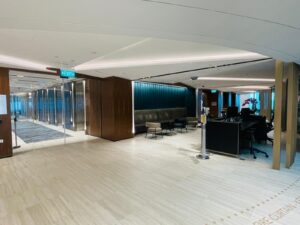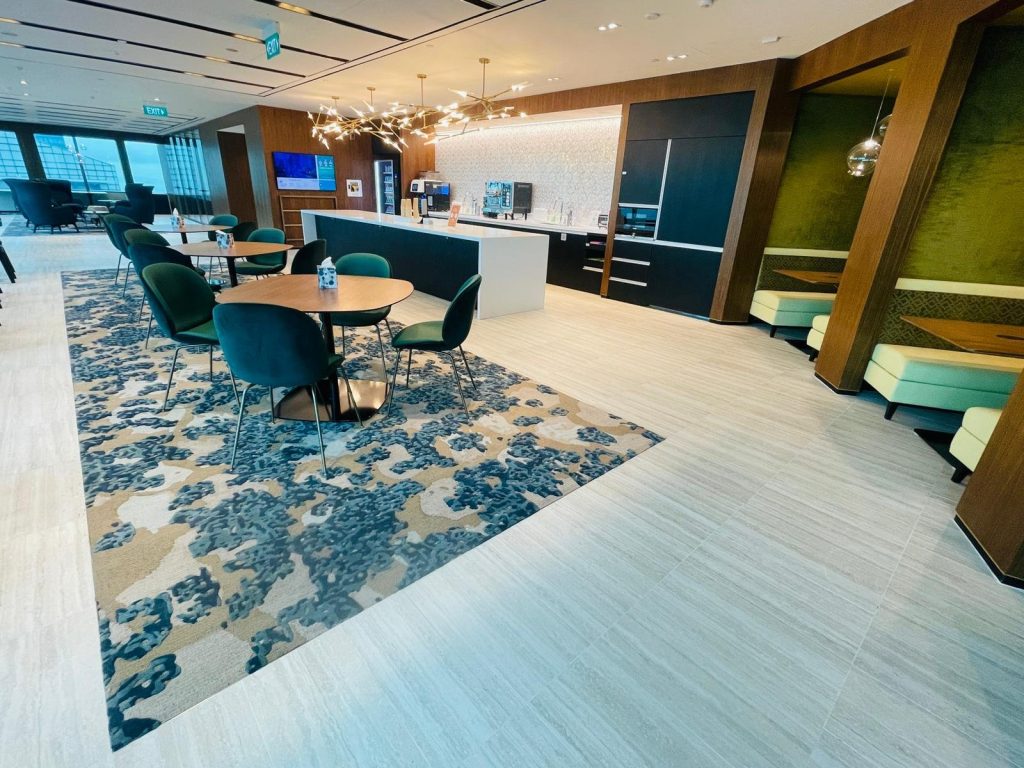
For a new development, contractors work in an empty space. For an existing office, hotel or retail outlet, the situation is very different — employees still work, guests occupy adjacent rooms, customers keep entering — yet the renovation still has to proceed. This is a live-site fit-out.
Related service: A&A works in Singapore.
For imported furniture and FF&E, live-site installation requires far more planning than a vacant site. Delivery timing, temporary storage, protection, noise, dust, access and installation sequencing all become part of the strategy. At Rongda Pacific Pte Ltd, we support commercial fit-out where installation must proceed progressively while surrounding operations continue.
What Is Phased FF&E Installation?
Instead of handing over an entire building or floor, the project is divided into manageable zones. A typical office programme rolls through each zone in a fixed sequence:
This rolling approach lets a business upgrade its premises without vacating the entire location.
Why Live-Site Installation Is More Complicated
The team must work around:
- Employees, customers and hotel guests
- Existing tenants and operating equipment
- Building-management requirements
- Restricted delivery periods and noise limits
- Limited storage
- Emergency access routes
The programme must consider not only construction productivity but business continuity.
Offices, Hotels and Retail Each Have Their Own Constraints
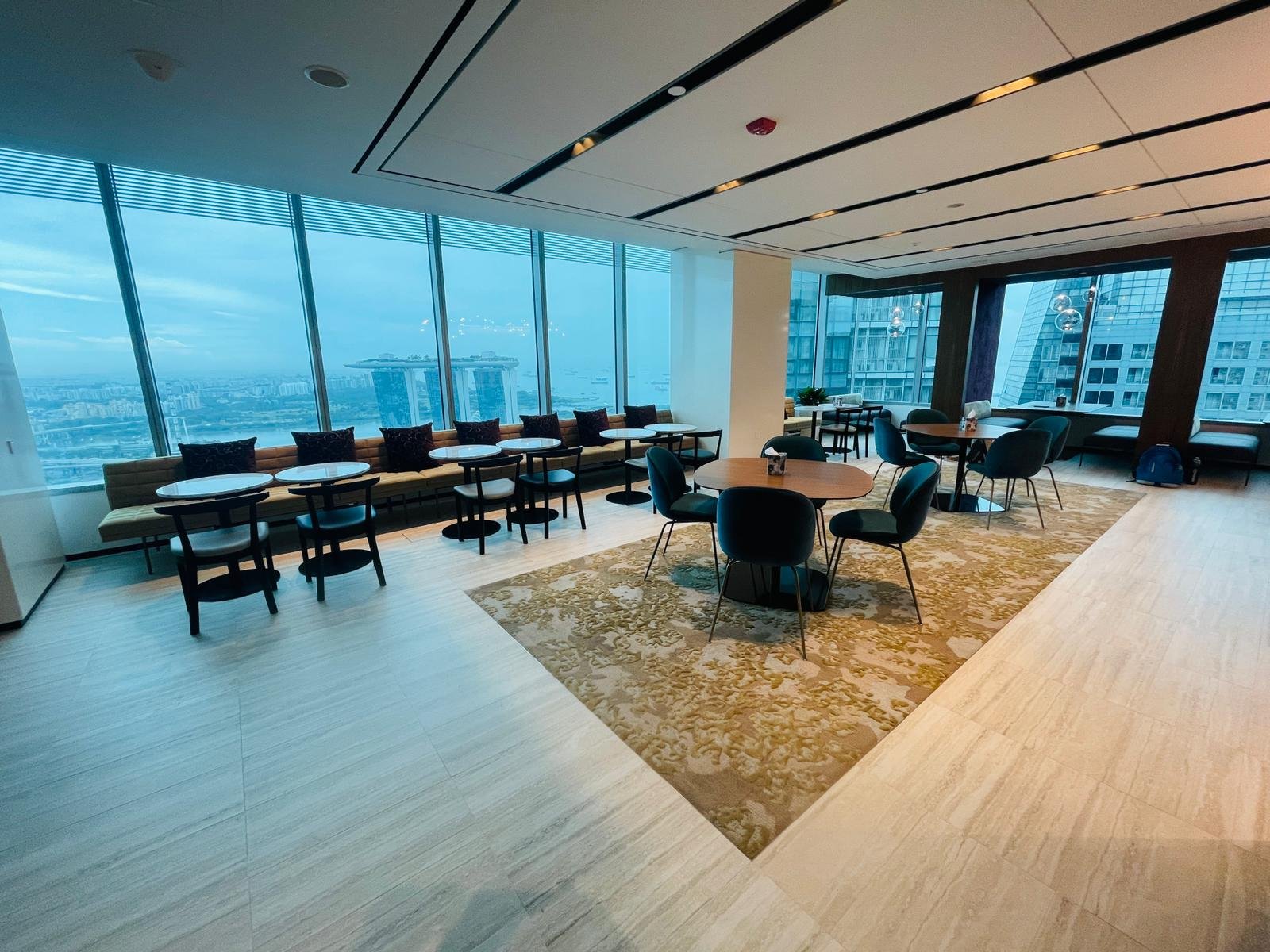
Offices can renovate department by department — one team relocates while its area is refurbished, returns after inspection, and the next area opens to the contractor. Hotels lose revenue on every closed room, so refurbishment is organised around selected floors, wings or room groups, returning each completed zone to service as quickly as possible. Retail may only allow work after closing, overnight or before opening — making delivery timing critical: furniture arriving three hours early may have nowhere to go, while a late arrival can waste an entire night’s window.
Warehouse Staging and Pre-Kitting Support Live Sites
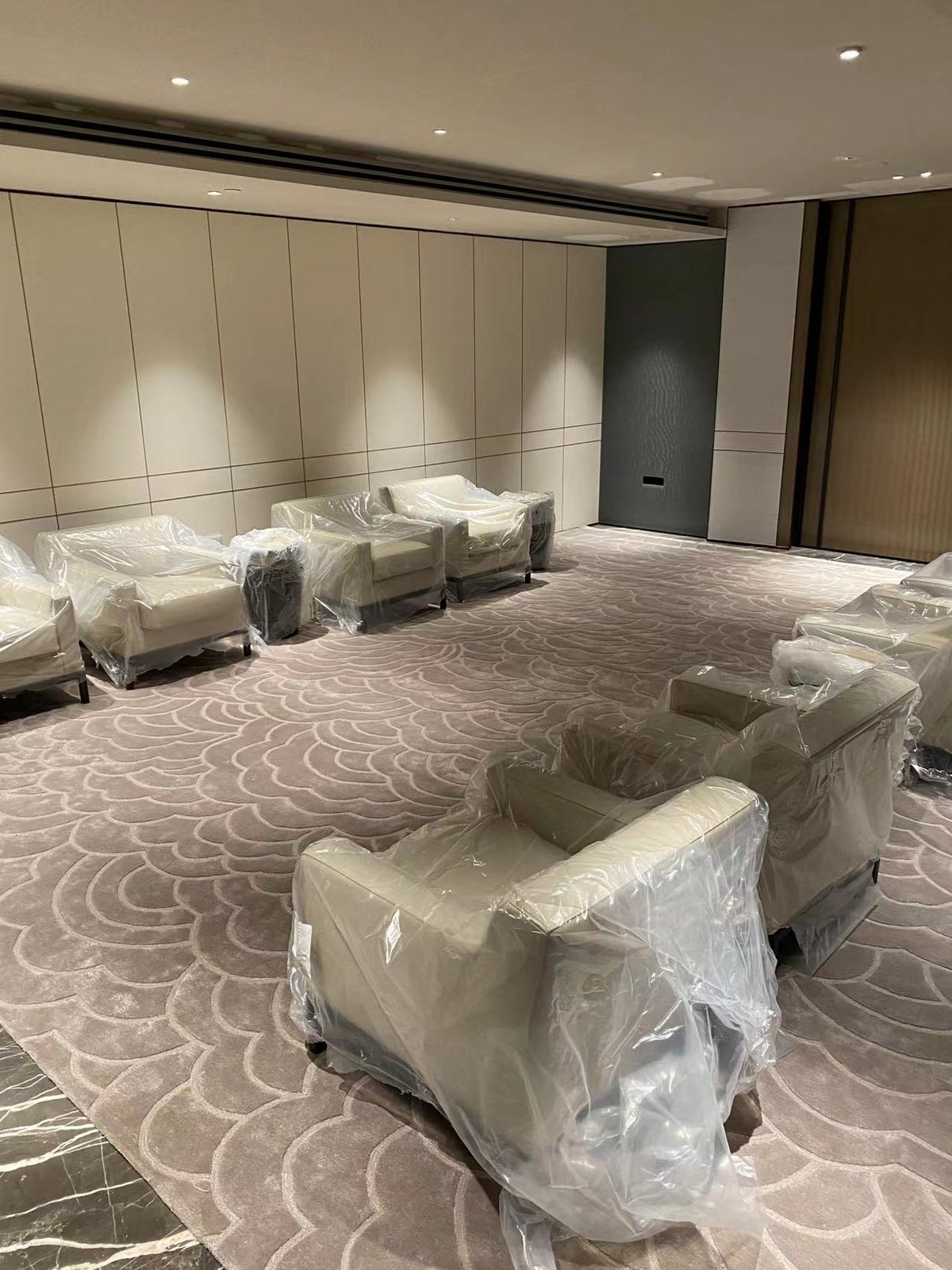
Live sites rarely have space to store an entire shipment. Organising products off-site and releasing them by installation sequence reduces congestion, double handling and damage. For repetitive FF&E, components can be grouped into installation-ready sets before dispatch — a hotel-room kit containing the wardrobe parts, bedside tables, desk, TV panel, hardware and accessories for one room — so installers receive a clearly identified package rather than sorting mixed cartons inside a live hotel.
Protection, Dust and Snagging Before Reopening
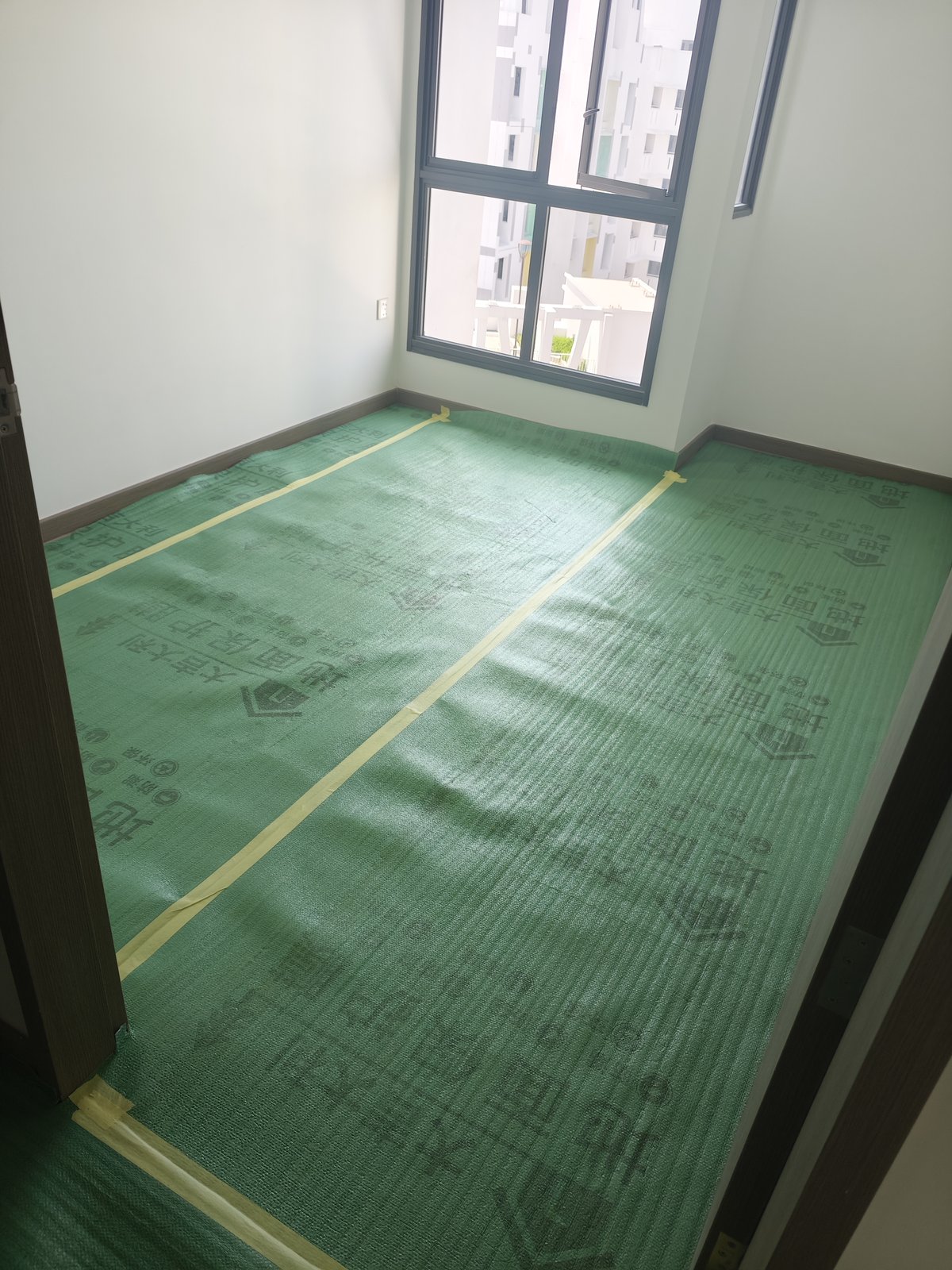
In an occupied building the surrounding finishes are already complete, so protection covers floors, lifts, corners, glass doors, wall finishes and existing furniture. Builder’s Works can create dust and noise, mitigated through temporary partitions, dust barriers, local extraction, work sequencing, restricted noisy periods and off-site prefabrication. Crucially, snagging should be completed before occupants return — inspecting alignment, drawer operation, hardware, stone, lighting, surface condition and making-good — because once staff or guests are back, rectification means working around business operations again.
Builder’s Works and FF&E as One Coordinated Sequence
A new cabinet may need power relocation, wall reinforcement, skirting modification, ceiling adjustment, painting and floor making-good. Scheduling these independently means the furniture installer may arrive before the area is ready. A coordinated sequence keeps the programme moving:
Frequently Asked Questions
Can commercial renovation be carried out while the office remains operational?
Depending on scope, layout, building requirements and safety, projects can often be divided into phases so other areas keep operating.
Can FF&E installation be carried out at night?
Some projects use after-hours installation, subject to building-management requirements, approved periods and the nature of the work.
Where should imported furniture be stored if the live site has no space?
A warehouse or off-site holding arrangement can receive and organise furniture before staged delivery.
Can furniture be delivered floor by floor?
Yes — by floor, zone, room or other installation sequence for suitable projects.
Why should snagging be completed before reopening an area?
It is much easier to inspect and rectify furniture before employees, guests or customers return to the completed zone.