A smooth furniture installation starts before the goods reach the project site. For imported furniture, organised warehouse receiving and an agreed inspection process help identify shortages, visible damage and labelling issues before installation begins.
Related service: FF&E installation services in Singapore.
Many Singapore homeowners, interior designers, developers and commercial clients manufacture custom furniture overseas, including in China. Once the shipment arrives in Singapore, the receiving, inspection, storage and delivery stages need to be coordinated carefully. Rongda Pacific provides warehouse receiving and inspection services based on the agreed project scope, helping clients prepare imported furniture for site delivery and installation.
Why Warehouse Receiving Matters
Imported furniture may travel long distances by sea and pass through several handling points before reaching Singapore. During transport, packaging and goods may be affected by movement, humidity, temperature changes, stacking conditions and handling.
Some issues are visible when the shipment arrives, while others only become apparent after cartons are opened or the furniture is assembled. An agreed receiving and inspection process helps identify visible problems earlier and creates records for follow-up with the relevant supplier, freight party or client.
Common transport and handling risks include:
- Container movement and vibration
- Humidity or temperature fluctuation
- Crushed cartons and damaged corners
- Forklift or handling impact
- Broken pallets or displaced loads
- Missing labels or mixed delivery batches
When these issues are discovered only after site delivery, they may affect the installation sequence and require additional handling, reporting or replacement arrangements. Earlier identification helps the project team plan the next action before installation is disrupted.
Agree the Inspection Scope First
Warehouse inspection does not always mean that every carton and component is fully unpacked. The inspection level should be agreed before the shipment arrives and reflected in the quotation.
- Receiving check — carton count, labels and visible packaging condition
- Selected inspection — agreed cartons or sample items are opened and reviewed
- Detailed inspection — a wider review of panels, finishes, hardware and dimensions
- Full unpacking — subject to space, labour, repacking requirements and the agreed scope
Visual inspection may not identify concealed manufacturing defects, internal damage or functional problems that only become apparent during assembly, installation or commissioning.
Our Warehouse Inspection Process
Step 1 — Shipment receiving and quantity checks
The shipment is received and checked against the available delivery and packing information. The purpose is to record the number of packages received and identify obvious differences before the goods are distributed or stored.
- Carton or package quantities
- Item numbers and package references
- Room or area labels
- Delivery batch and sequence information
The accuracy of the check depends on the packing list, carton labels and information supplied by the manufacturer or freight party.
Step 2 — External packaging inspection
Before cartons are opened, the visible condition of the packaging can be reviewed. Suspected damage may be photographed and recorded together with the carton number, item reference and date of receipt.
- Torn, punctured or wet packaging
- Crushed corners and impact marks
- Broken or unstable pallets
- Loose straps or displaced loads
External packaging damage does not always mean the furniture inside is damaged. Similarly, intact packaging does not guarantee that the contents are free from concealed defects.
Step 3 — Selected internal inspection
Where unpacking is included in the agreed scope, selected items or a wider portion of the shipment can be reviewed before site delivery. The inspection method depends on the project requirements, available space and repacking arrangements.
- Laminate, veneer and paint condition
- Edge banding and visible panel damage
- Selected dimensions, where required
- Glass and mirror condition
- Aluminium frames and visible metal components
- Hardware and accessory packs
The inspection report should state whether the review was based on sampling, selected cartons or a broader item-by-item inspection.
Step 4 — Hardware verification
Imported furniture may contain many separate hardware components. Missing connectors, hinges, runners or brackets can delay assembly, so hardware can be checked where the packaging and supplied documentation allow.
- Cam locks and minifix connectors
- Hinges and drawer runners
- Adjustable legs, handles and brackets
- LED accessories and related components
- Fasteners and fixing packs
Complete verification is only possible where the manufacturer provides an accurate hardware schedule and the agreed scope includes opening and counting the relevant packages.
Step 5 — Organised storage
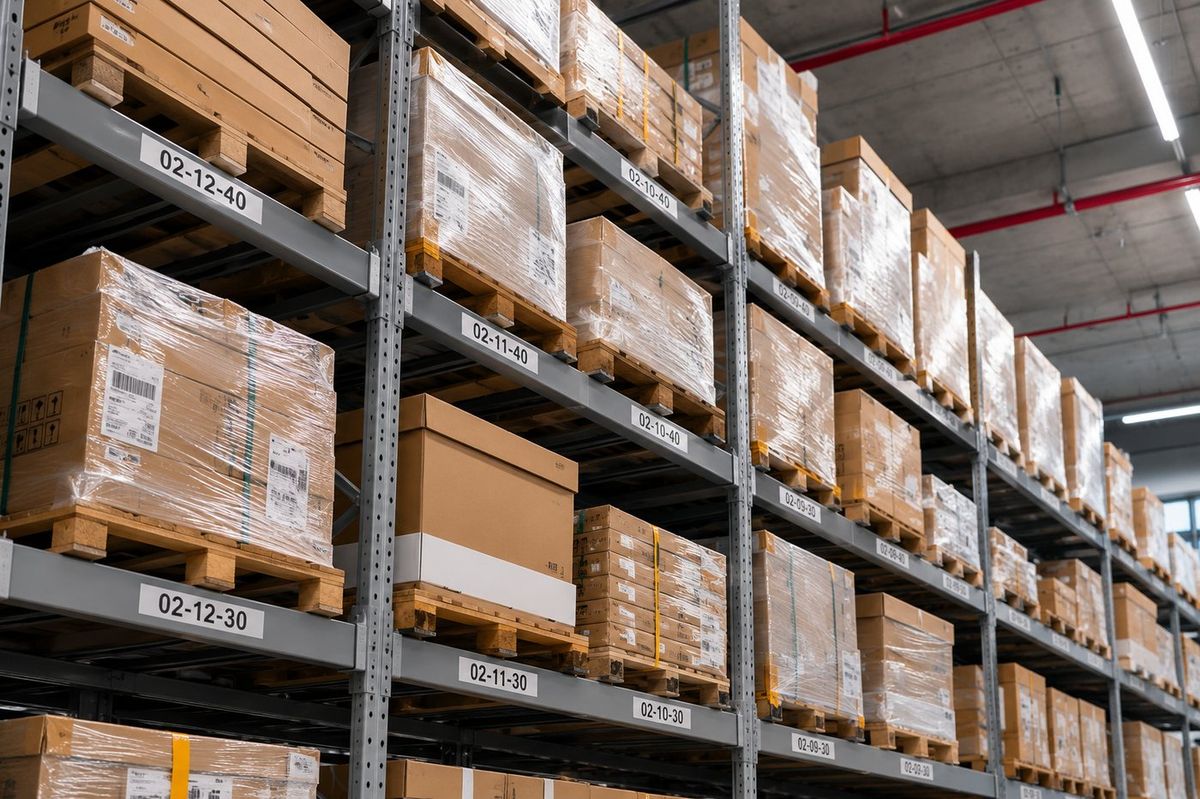
After receiving and inspection, goods can be grouped according to the installation sequence, project level, room or work phase. Clear labelling and structured storage help reduce unnecessary movement and make site delivery easier to coordinate.
- Kitchen, living room and study
- Master, common and children’s bedrooms
- Bathrooms and utility areas
- Commercial levels, rooms or installation zones
Storage arrangements should also consider the size, weight, fragility and environmental requirements of the products.
Inspection Reporting
A useful warehouse report should connect each observation to a clear package or item reference. Depending on the agreed scope, the report may include:
- Shipment and receiving date
- Carton or item number
- Packing-list reference
- Photographs of visible damage
- Description of the observed condition
- Recommended follow-up action
- Status of missing or replacement items
The report records what was observed during the agreed inspection. Responsibility for replacement, repair, freight claims or manufacturing defects depends on the applicable contract and shipping arrangements.
Benefits for Designers, Developers and Clients
For commercial and higher-value residential projects, structured warehouse receiving can form part of the overall installation planning rather than serving only as temporary storage.
- Clearer quantity and package records
- Earlier reporting of visible damage and shortages
- Better room-by-room delivery planning
- Reduced unnecessary handling on site
- Improved coordination between suppliers and installers
Why Work With Rongda Pacific?
Rongda Pacific works with imported furniture systems, including products using cam locks, minifix connectors, concealed hardware and modular cabinet construction. Depending on the agreed project scope, our services may include:
- Warehouse receiving and quantity checks
- Visible-condition reporting and selected inspection
- Temporary storage and delivery coordination
- Furniture assembly and installation
- On-site adjustment and defect reporting
- Stone measurement and local fabrication coordination
- Final installation and handover support
Frequently Asked Questions
Should every imported furniture shipment be checked?
At minimum, the quantity, labels and visible packaging condition should be reviewed according to the agreed receiving scope. Whether every carton is opened depends on the inspection level, available space, labour and repacking requirements.
Can Rongda Pacific store furniture before installation?
Temporary storage may be available subject to warehouse capacity, storage duration, item type, quantity and handling requirements. These details should be confirmed before the shipment arrives.
Do you inspect furniture imported from China?
Yes. We receive and inspect imported furniture, including products manufactured in China, based on the agreed inspection scope and the packing information supplied for the project.
Can damaged panels be identified before installation?
Visible packaging damage and some product defects may be identified during warehouse inspection. Concealed damage or manufacturing issues may only become apparent after unpacking, assembly or installation.
Do you provide a warehouse inspection report?
Where included in the quotation, the report may contain package references, photographs, visible-condition notes and recommended follow-up actions. The format and inspection level should be agreed before receiving.
Request a Warehouse Receiving Assessment
For an initial quotation, please provide:
- Packing list and expected package quantity
- Product type and approximate dimensions
- Expected arrival date
- Required inspection level
- Estimated storage period
- Project address and required site-delivery date
- Any fragile, oversized or special-handling items
Send your packing list, shipment information and required inspection scope to [email protected] for an itemised quotation, or visit www.rongdacontractor.com.