
The furniture is installed, the doors are aligned, the stone is complete, the glass is clean, the snag list is closed and the client signs the handover. For most trades that would be the finish line. Furniture is different, because a cabinet is not a static wall finish — it is a mechanical assembly that somebody is about to start operating several times a day.
Hinges, drawer runners, sliding systems, pull-out hardware, integrated lighting, appliance interfaces, glass doors, adjustable shelves and motorised components all move. A wardrobe door that aligned perfectly on handover day may need a hinge adjustment after months of use; a drawer may need recalibrating once it is loaded; an LED driver may fail a year later. For imported FF&E the question is therefore not only who installs the furniture, but who can support it in Singapore after handover. At Rongda Pacific Pte Ltd, that support runs through installation, defect rectification, replacement-part coordination and practical after-sales attendance according to the agreed project scope.
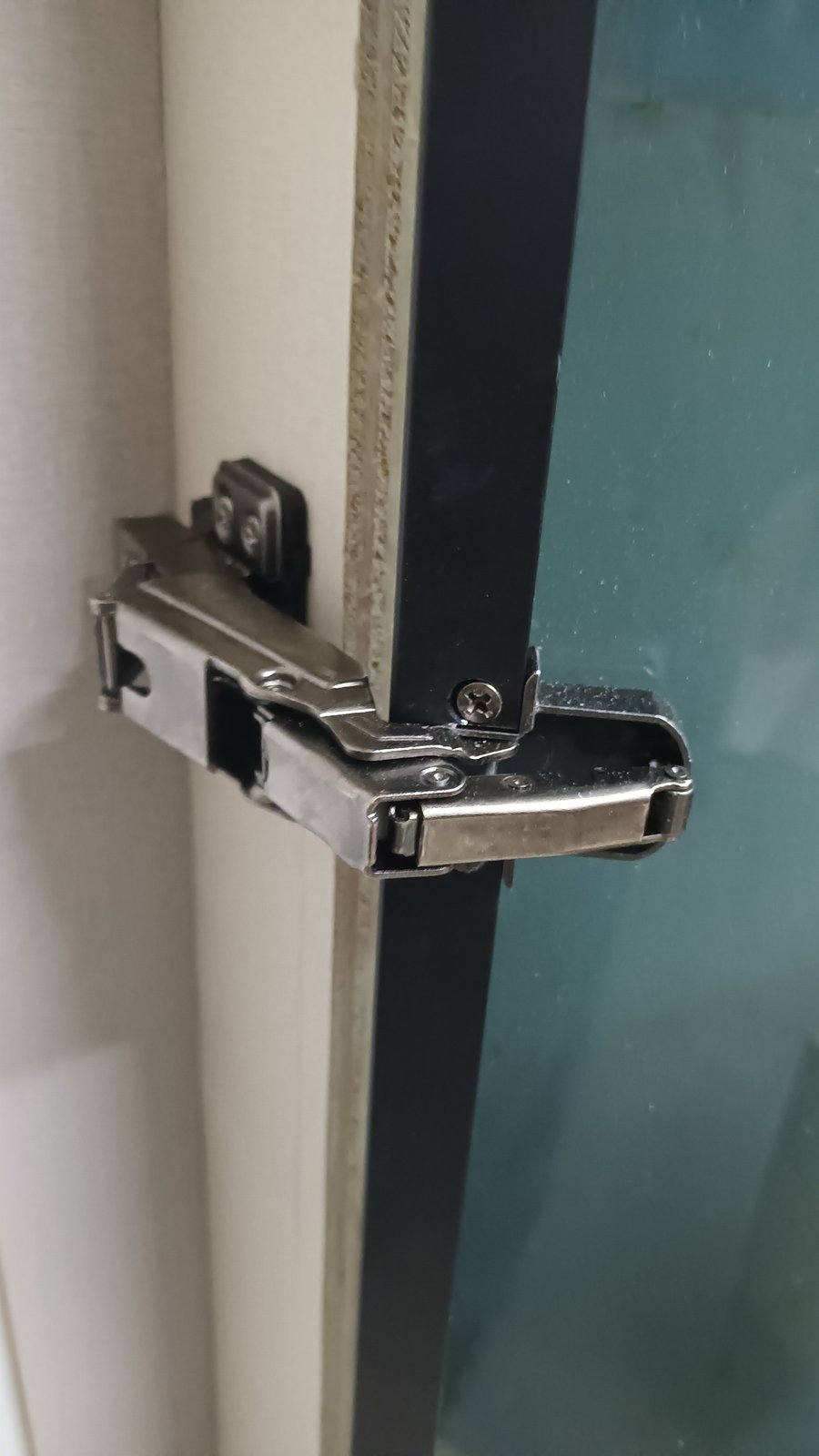
Why Imported Furniture After-Sales Is More Complicated
Locally manufactured furniture has its factory, installer and service team in the same country. Imported furniture runs through an overseas factory, an exporter, shipping, a Singapore warehouse, a local installer and finally the client — so when a problem appears after handover, the first questions are genuinely open. Is it an installation issue, a manufacturing defect, normal adjustment or usage damage? Does it need a replacement part, can it be repaired locally, or does the factory have to send something from overseas?
Without a Singapore-side technical team, even a small defect can turn into a long communication chain across time zones, with photographs being interpreted by people who cannot see the room. Local diagnosis is what shortens that chain, because somebody can stand in front of the cabinet and establish what is actually happening before anybody starts manufacturing anything.
First Establish What Type of Issue It Is
Not every service call is a manufacturing defect, and treating them all the same way leads to the wrong solution being applied repeatedly. Post-handover furniture issues generally fall into a small number of categories, and correct diagnosis matters because the appropriate remedy — and the responsibility — can be different in each case.
Typical categories of post-handover furniture issue:
- Installation adjustment — door alignment, drawer adjustment, sliding-door tuning, handle tightening
- Hardware wear or movement — hinge adjustment, runner issues, soft-close calibration, loose connectors
- Manufacturing defect — incorrect component, finish defect, incorrect drilling, production issue
- Usage-related damage — impact, overloading, water exposure, scratching
- Building or site movement — adjacent wall movement, floor settlement, service-related changes
Cabinetry may look architectural, but much of it operates mechanically. Users open doors, close drawers, slide panels, pull baskets, move shelves and operate lifts every day, so selected items naturally require adjustment during their service life. A hinge that has opened and closed thousands of times is not behaving like a fixed wall panel, and after-sales support should distinguish clearly between defect rectification and normal maintenance.
Tall Doors and Loaded Drawers Show Movement First
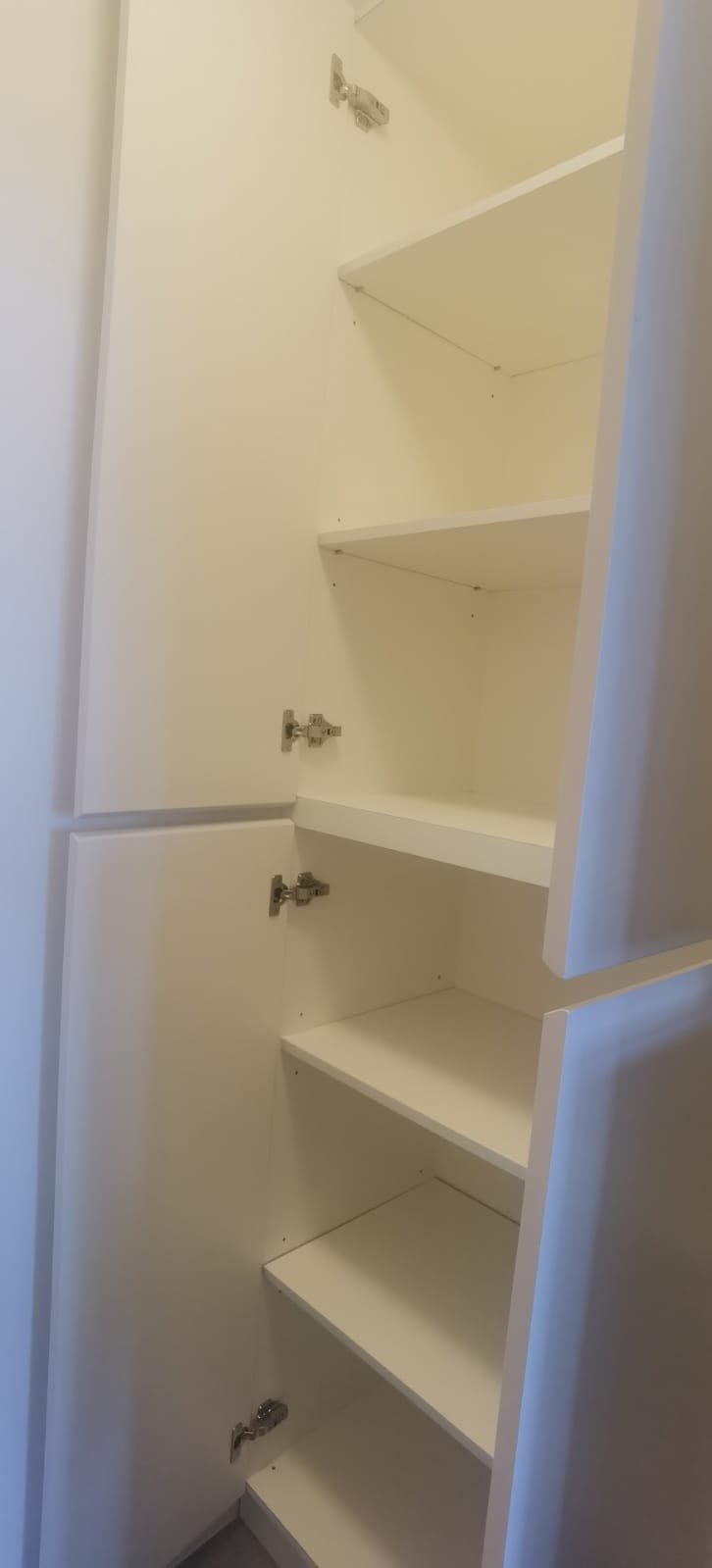
Tall doors are particularly sensitive: wardrobes, pantry cabinets, integrated appliance fronts and full-height storage magnify small movements in hinges or adjustment screws across a long leaf. That does not automatically mean the cabinet has failed. A technical inspection can check cabinet level, hinge adjustment, door loading, hardware condition and adjacent door alignment before anybody decides what work is required.
Drawers behave the same way in reverse. A drawer that operates perfectly when empty at handover carries a very different load once the client fills it with plates, documents, clothing or heavy accessories, and front alignment may shift accordingly. This is most noticeable on wide kitchen drawers, heavy pull-outs, filing units and full-extension systems, where the hardware’s specified load capacity should always be respected rather than treated as a guideline.
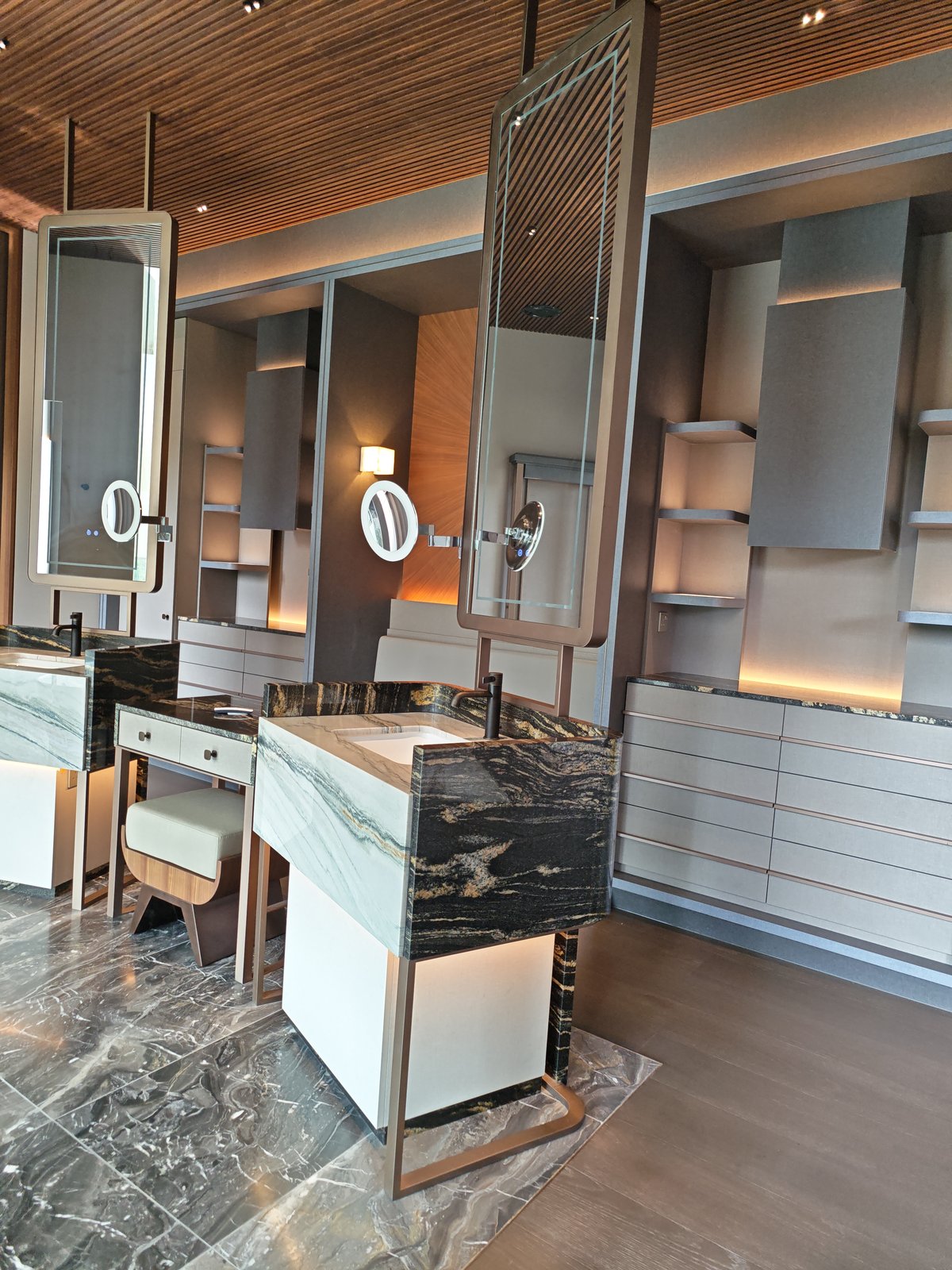
Record What the Hardware Actually Is
Future maintenance becomes dramatically easier when the project records brand, model, hinge type, runner type, lift system and connector references. Without that information, a small failed fitting can become surprisingly difficult to replace. Imported projects may use hardware that is widely available internationally, available only through specific distributors, or entirely proprietary to the manufacturer, and knowing the exact reference is what allows a Singapore service team to judge whether a suitable replacement can be sourced locally or must be ordered from overseas.
On large developments it is also worth holding selected spare hardware — hinges, mounting plates, drawer runners, shelf supports, handles, connectors and LED drivers. The right quantity depends on project size, hardware type, availability and criticality: a hotel with hundreds of repeated wardrobes benefits far more from spare stock than a single residential installation does.
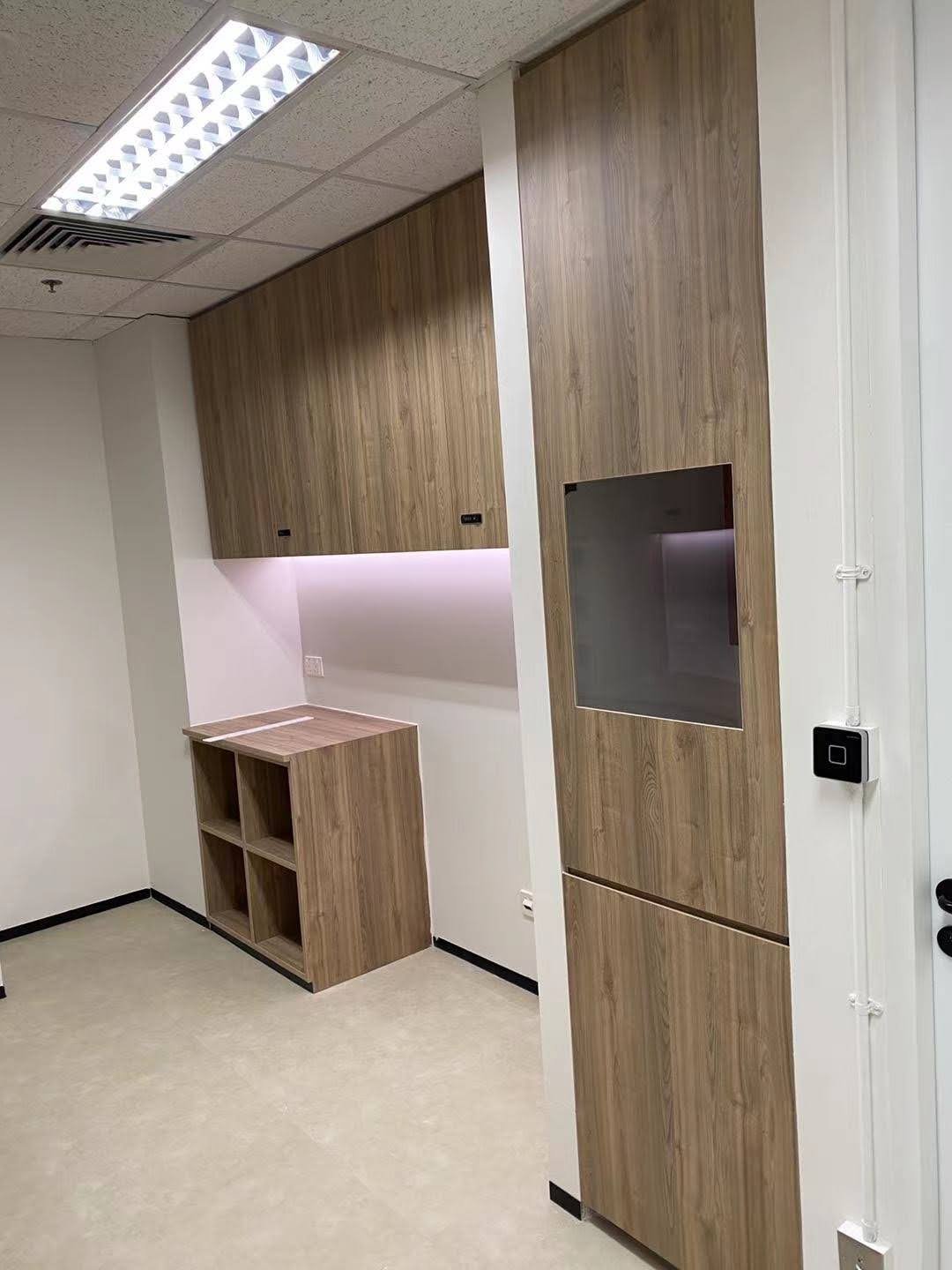
Defect Liability Periods Should Be Defined, Not Assumed
Many construction and fit-out contracts include a Defects Liability Period, commonly shortened to DLP, during which defects identified after practical completion may need to be inspected and addressed according to the contract. The exact duration and responsibilities vary, so the project should follow its actual contract terms rather than a general assumption about what is normal.
For imported furniture it is worth defining, in advance, who receives defect reports, who inspects, who determines the cause, what can be rectified locally, what requires overseas replacement and who approves closure. A defect report that says only “wardrobe door problem” is not enough to act on; a useful one identifies the project, unit or room, furniture reference, description, photograph, video where movement is involved, date discovered, usage condition and urgency. Video is especially valuable for door rubbing, drawers not closing, sliding-system noise, motorised movement problems and soft-close failures, because it shows where and when the problem happens and in which direction — things a still photograph simply cannot convey.
Centralise Reporting and Prioritise by Operational Impact
On hotel, serviced apartment and commercial projects, defect reports arriving through a mixture of messaging apps, phone calls, emails and verbal instructions with no central record produce repeated service visits for the same unresolved item. A defect register tracking reference number, room, issue, status, responsible party, appointment date, replacement item and closure keeps that under control.
Prioritisation matters because resources are finite. A defect inside an operating hotel room may have immediate revenue implications — a wardrobe that cannot close, an unusable minibar cabinet, a jammed vanity drawer or a loose panel presenting a safety concern — and the operator needs the room back in service quickly. A Singapore-side team can inspect without waiting for overseas personnel to travel, which is precisely where local presence earns its value for imported hospitality FF&E.
Occupied Spaces Change How the Work Is Done
After handover, offices are already occupied, so furniture servicing has to work around staff working hours, meeting schedules, dust, noise and access control. A damaged cabinet on an empty construction site can be repaired in ways that are simply not available inside a working executive office. Occupied luxury residences are similar but stricter: completed marble, artwork, designer furniture, rugs, glass and personal belongings all have to be protected, and a service visit should be approached with the same care as the original installation rather than treated as a quick call-back.
Not Every Defect Needs the Original Factory
A major advantage of Singapore-side capability is being able to assess local rectification properly. Depending on the issue, hardware adjustment, minor carpentry modification, replacement of standard fittings, local spray-paint rectification, stone touch-up and glass replacement coordination may all be viable, and each avoids an unnecessary international shipment. Local repair should only be chosen, however, where it can genuinely achieve the required quality — closing a defect administratively while creating a visible one is not a result.
Some items are still best replaced by the original manufacturer: book-matched veneer, special lacquer colours, proprietary metal profiles, custom mouldings, unique glass and special decorative surfaces. The factory may hold the original veneer batch, the paint formulation, the CNC file and the profile tooling, and attempting to reproduce those locally usually produces a visible mismatch. In those cases the Singapore team’s role shifts from fabricator to technical coordinator — verifying dimensions, documenting the finish, confirming orientation, tracking the replacement and installing it on arrival.
Replacements need their own tracking, because a component requested during DLP disappears into a long email chain with remarkable ease. A register covering defect reference, component, factory confirmation, production date, shipping date, Singapore arrival, installation and final closure is what stops a single replacement door from staying outstanding for months. Where several non-urgent components are required, consolidating them into one shipment is often more efficient, while genuinely critical items may justify separate transport — a decision that depends on operational impact, size, freight cost and lead time, and one a local team is well placed to advise on.
Finishes Change, So Matching Gets Harder Over Time
Furniture finishes shift subtly with sunlight, age, cleaning and normal use, particularly natural timber, veneer and painted surfaces. A replacement panel manufactured much later may therefore not look identical beside an older one, and the project has to judge whether local touch-up, single-panel replacement or a larger grouped replacement will produce the best visual result. Painted doors are common in imported luxury cabinetry, and minor surface defects can often be suited to controlled local rectification where the finish can be properly matched — but a poor colour match makes the defect more, not less, visible, so technical assessment has to come first.
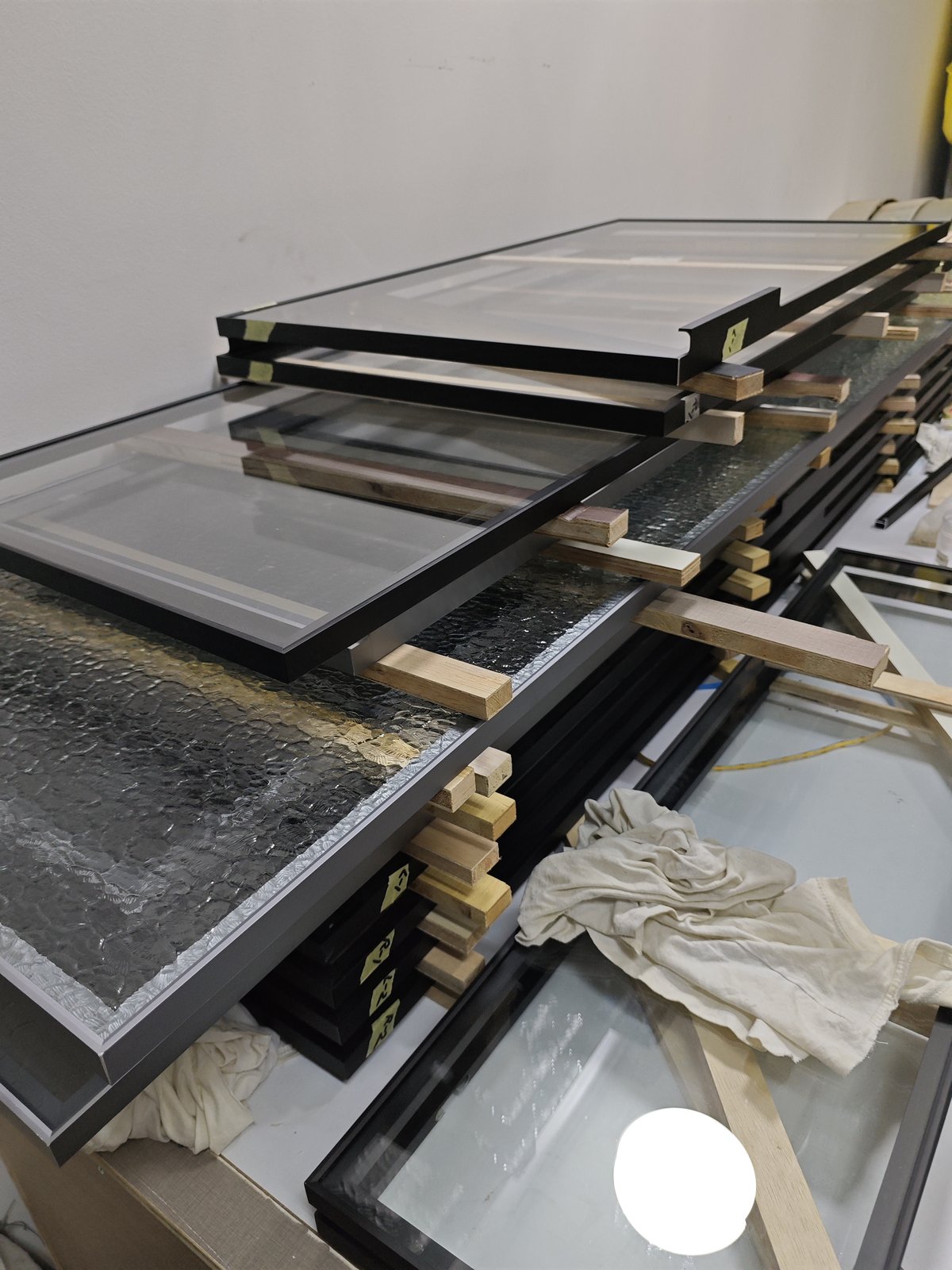
Stone follows the same principle. Edge chips, joint issues, silicone deterioration, surface marking and cracks each call for a different response depending on material, severity, location and cause: some suit polishing, joint rectification or local repair, while others require replacement. Glass is often the easiest to handle locally for standard mirrors and shelves, but imported furniture may use special tints, decorative patterns, curved glass or proprietary treatments, and a technically correct size in the wrong tint is not a successful luxury rectification.
Design for Day 500, Not Only Day One
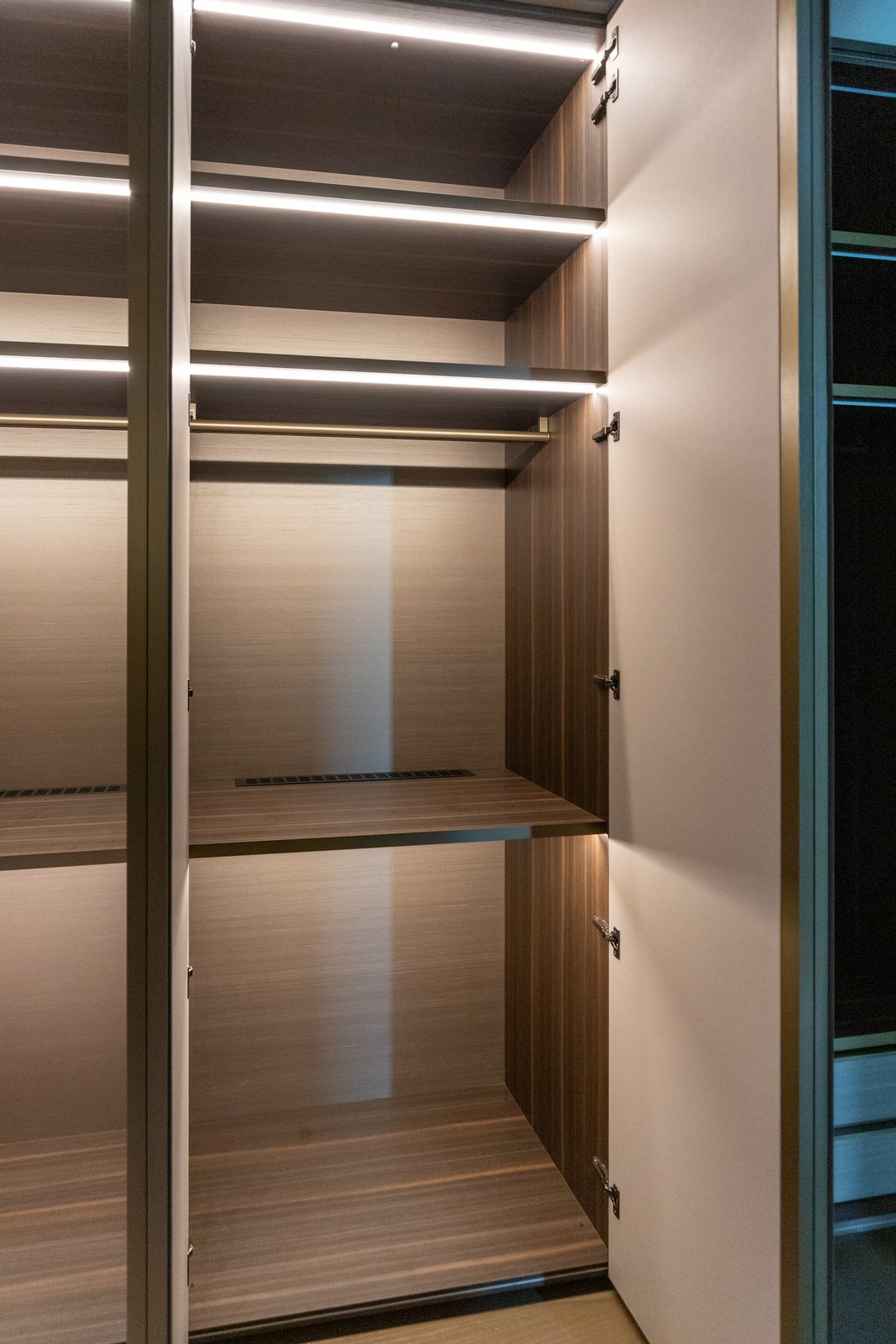
Integrated furniture lighting is increasingly common, and LED drivers are one of the most predictable long-term service items. Maintenance becomes far easier when the driver location is known, an access panel exists and the product specification is recorded — which is why serviceability belongs in the original installation, not in a later apology. Future technicians may need to reach drivers, water valves, appliance plugs, motors, connectors and hardware, and removable access panels with documented service locations reduce future rectification work considerably.
A seamless appearance is desirable, but permanently sealing every service zone creates expensive maintenance later. Good luxury design makes access discreet; it does not pretend maintenance will never be necessary. The same logic applies to handover documentation: a furniture schedule, hardware references, appliance references, lighting specification, access-panel locations, a spare-part list and maintenance recommendations are especially valuable for hotels, serviced apartments and commercial buildings, where the future facilities team is rarely the original project team.
Feed After-Sales Data Back Into the Next Project
Repeated service issues carry useful information. If one room has a problem, fix the room; if twenty rooms have the same problem, investigate the system. The same hinge needing adjustment across many rooms may point to installation method, hardware selection, door weight or a manufacturing detail, and that feedback can improve future production, hardware choice, packing and installation instructions. After-sales should not only repair the past — it should make the next batch better.
Some furniture also operates far more frequently than residential cabinetry: hotel wardrobes, office storage, retail display doors and commercial pantry drawers all see heavy daily cycles. For those installations, periodic inspection for loose fittings, alignment changes and wear can identify problems while they are still small.
How Rongda Pacific Supports Imported Furniture After-Sales
Depending on project requirements, Rongda Pacific Pte Ltd can support post-handover furniture inspection, furniture adjustment, door and drawer alignment, hardware assessment, imported furniture rectification, local carpentry modification, selected spray-paint rectification coordination, stone rectification coordination, glass coordination, LED and access coordination, replacement-part measurement, overseas factory communication, replacement-part installation, defect tracking, DLP support and final defect closure. For overseas furniture manufacturers, this provides a Singapore-side technical presence that remains available even after the main installation team has completed the project.
Frequently Asked Questions
Does imported furniture need after-sales support?
Yes. Furniture contains moving parts, hardware, lighting and equipment interfaces that may require adjustment, servicing or replacement after handover.
Is every post-handover issue a defect?
No. Some issues are normal adjustment, usage-related damage or routine maintenance rather than a manufacturing or installation defect.
What is a Defects Liability Period?
It is a contractually defined period after completion during which defects may need to be inspected and rectified. The exact duration and responsibilities vary by project contract.
Can imported furniture hardware be replaced locally?
Sometimes. Compatible standard hardware may be available in Singapore, while proprietary hardware may still need to come from the original manufacturer.
Can damaged lacquer furniture be repaired in Singapore?
Selected defects may be suitable for local spray-paint rectification where the colour, coating system and finish can be appropriately matched.
Can Rongda Pacific coordinate replacement parts from an overseas factory?
Yes. Depending on scope, the team can verify dimensions and furniture references, coordinate technical information and install replacement components after arrival.